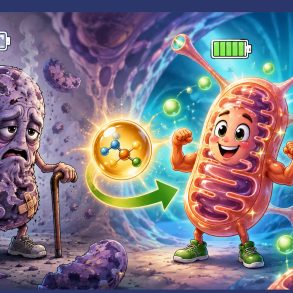

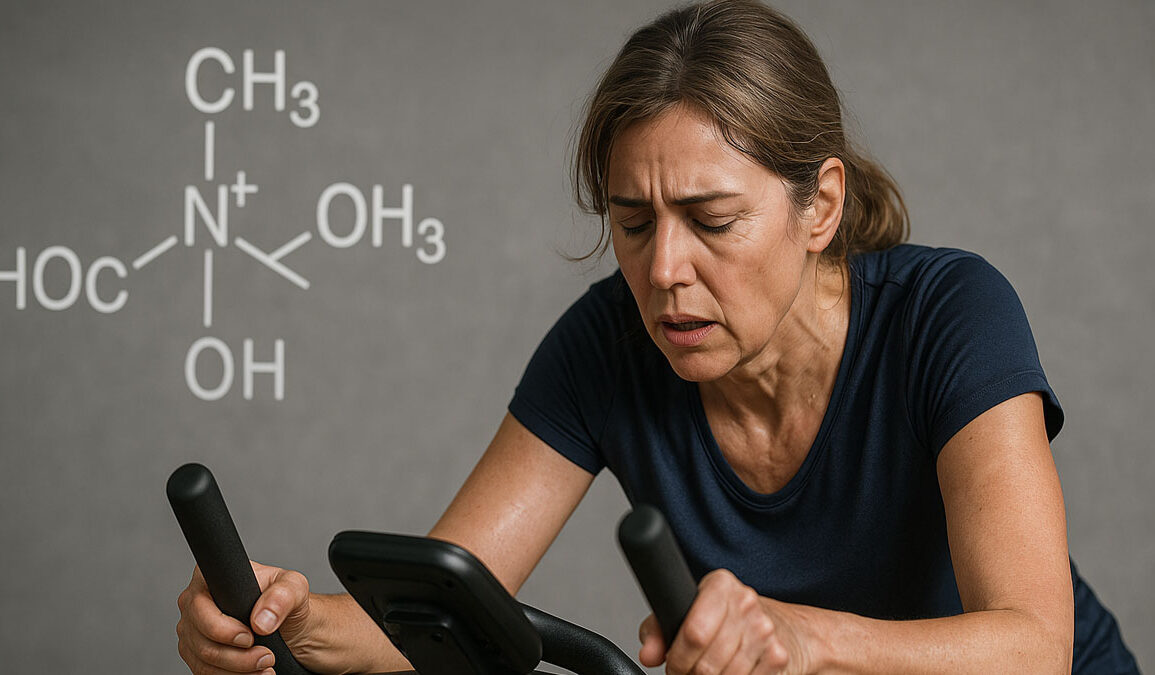
A groundbreaking new study led by researchers from the Chinese Academy of Sciences and Xuanwu Hospital Capital Medical University has revealed that betaine, a natural compound produced in the kidneys, can replicate many of the rejuvenating effects of regular exercise. This discovery holds promise for millions of people who cannot engage in physical activity due to age or health conditions.
How the Research Unfolded
The six-year investigation followed 13 healthy young men who took part in both short, intense workouts and longer-term endurance training. The researchers collected a massive amount of biological data, analyzing everything from gene expression to metabolites and gut microbiome changes before and after exercise.
They found that a single burst of activity caused significant inflammation and stress in the body, sometimes referred to as “metabolic chaos.” In contrast, sustained exercise gradually calmed this inflammation, improved DNA stability, strengthened the immune system, and enhanced metabolism.
While the researchers expected to see muscles as the main driver of these benefits, their data instead pointed to the kidneys. During long-term exercise, the kidneys dramatically increased production of betaine, a metabolite also absorbed from foods like beets, spinach, and whole grains.
Betaine’s Mechanism of Action
The scientists then set out to determine whether betaine was just a byproduct of exercise or an active player. In a series of experiments, they gave oral betaine supplements to older mice. Remarkably, even without any exercise, the mice experienced improvements usually seen only in endurance-trained animals:
- Lower levels of systemic inflammation
- Enhanced mitochondrial function in tissues
- Stronger muscles and better coordination
- Improved cognitive performance
- Reduced markers of cellular aging
At the molecular level, betaine works by binding to and blocking an enzyme called TBK1. This enzyme is a central regulator of chronic inflammation, often referred to as “inflammaging.” By inhibiting TBK1, betaine dampens harmful inflammatory pathways (specifically IRF3/NF-κB) that contribute to the decline of organs and tissues over time.
What Makes This Discovery Important
“This resolves the exercise paradox,” said Professor Liu Guanghui, a senior author of the study. “Acute exercise sparks an inflammatory survival response, but long-term exercise suppresses inflammation through kidney-generated betaine.”
The ability to safely deliver betaine in an oral supplement means that people who cannot exercise regularly—such as older adults or patients recovering from illness—could still benefit from many of the protective effects associated with training.
The Potential for Anti-Aging Treatments
While more research is needed to confirm safety and effectiveness in larger, more diverse groups, the findings open the door to what some call “exercise in a pill.” Betaine supplements are already available as over-the-counter products, often marketed for sports performance and liver health. This new study positions betaine as a potential geroprotective therapy that could slow down age-related decline in multiple organs at once.
“Our study gives us a fresh way to turn how our body works into something we can target with chemicals,” Dr. Liu explained. “It opens the door to treatments that can tweak how multiple organs work together to resist aging.”
As the world grapples with rising rates of chronic disease and an aging population, a safe and affordable compound that mimics the systemic benefits of exercise could become a game-changing tool in public health.
Betaine is easy to find:
Betaine Anhydrous Powder
- About $15–$25 for 250 grams
- One serving is typically 1–3 grams, so a tub can last 2–4 months.
Betaine Capsules
- About $10–$20 for 100–200 capsules
- Typical serving: 500–750 mg per capsule