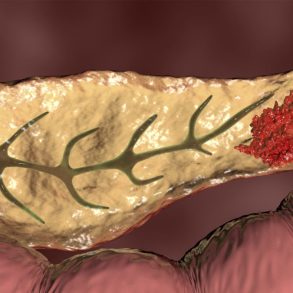



Prostate cancer is the most commonly diagnosed cancer in men and a leading cause of cancer-related deaths. Despite how common it is, confusion about screening and treatment still keeps too many men from getting the care they need. This guide will help you understand what prostate cancer is, how it’s detected, what treatments are available, and why staying informed can save lives.
What Is Prostate Cancer?
The prostate is a small gland below the bladder that helps produce semen. Prostate cancer happens when cells in this gland grow out of control. Some prostate cancers grow very slowly and never cause harm, while others are aggressive and can spread quickly to bones and other organs.
Many men never feel symptoms in the early stages. That’s why routine screening is so important. When prostate cancer does cause symptoms, they often include difficulty urinating, blood in urine or semen, or pain in the hips and back.
How Prostate Cancer Is Detected
Screening has evolved a lot over the past decade. The main tool is a simple blood test called the prostate-specific antigen (PSA) test. PSA is a protein made by the prostate, and higher levels can be a sign of cancer.
In the past, experts argued over whether PSA testing caused more harm than good. In 2012, the U.S. Preventive Services Task Force recommended against routine PSA testing. As a result, many cancers went undetected until they were incurable. In 2018, guidelines were updated to encourage men to talk with their doctors about screening.
Today, screening strategies are more precise than ever:
- PSA Testing: Still the first step.
- MRI Scans: Modern multiparametric MRI helps spot suspicious areas before a biopsy.
- Transperineal Biopsy: A safer, more accurate method of taking tissue samples.
- Genomic Testing: Analyzes genes in cancer cells to tell whether the cancer is aggressive.
If you are over 50 – or over 40 if you are Black or have a family history – you should discuss PSA testing with your doctor. Age alone should not be the reason to stop screening. Even healthy men in their 70s and 80s can benefit from early detection.
Who Is Most at Risk?
Prostate cancer affects all men, but some groups face a higher risk:
- Black men: 1 in 6 will be diagnosed, and they are more than twice as likely to die from the disease.
- Family History: Having a father or brother diagnosed before age 65 increases your risk.
- Genetic Mutations: BRCA2 and similar mutations can lead to more aggressive cancer.
- Lifestyle: Diets high in red meat, obesity, and lack of exercise contribute to higher risk.
These men should consider starting screening as early as age 40.
Treatment Options and Cure Rates
Treatment depends on how advanced the cancer is and how aggressive it looks under the microscope. For localized cancers that haven’t spread, the five-year survival rate is nearly 100%. Treatments include:
- Surgery (Radical Prostatectomy): Removal of the entire prostate. Advances in robotic surgery have improved recovery and reduced side effects.
- Radiation Therapy: Either external beam radiation or radioactive seed implants (brachytherapy).
- Active Surveillance: Careful monitoring without immediate treatment for slow-growing cancers.
When cancer has spread beyond the prostate, cure is less likely but treatment can still prolong life for years. Hormone therapy to block testosterone helps slow cancer growth. New drugs like enzalutamide and abiraterone have transformed advanced cancer care.
Recent research is exploring promising options like NXP800, a drug targeting heat shock proteins that help cancer cells survive stress. In lab studies, NXP800 slowed tumor growth in cancers that were resistant to other treatments.
Can Prostate Cancer Be Cured?
Most men diagnosed early can be cured. For advanced disease, while a complete cure is rare, treatment can manage cancer as a chronic condition. The key is catching it early, before it spreads.
New Applications of Artificial Intelligence
Artificial intelligence (AI) is becoming a powerful tool in predicting which cancers will recur. At the Cleveland Clinic, researchers are using AI to analyze pathology slides from prostate surgery. This technology can better identify men likely to see their cancer return, so they can receive additional treatment early.
As Dr. Christopher Weight of the Cleveland Clinic explains, “If we can accurately reassure men that their risk of recurrence is low, we can cut down on anxiety and unnecessary follow-up appointments.”
What Every Man Should Do Right Now
Here are simple steps you can take today:
- Know Your Risk: If you are over 50, Black, or have a family history, start screening discussions early.
- Don’t Rely on Age Cutoffs: If you are healthy, keep screening even into your 70s or 80s.
- Stay Informed: If your PSA is rising, ask for an MRI or specialist referral.
- Maintain Healthy Habits: A plant-rich diet, regular exercise, and maintaining a healthy weight lower your risk.
- Speak Up: Be your own advocate—ask questions and demand clarity.
Prostate cancer is often beatable when caught early. Even when it advances, treatment options continue to expand. As new drugs and AI-guided tools emerge, men have more ways than ever to take control of their health.
Don’t let confusion or outdated advice keep you from screening. Early detection is still the best chance at a cure—and the best gift you can give yourself and the people who love you.