


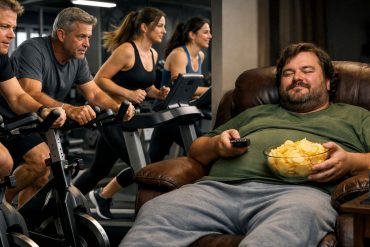
About one in five Americans are not getting any physical activity outside of their regular jobs, according to new federal data. Nearly 22 percent of U.S. adults report that once their workday ends, they do not exercise at all. Health experts say this pattern has serious consequences and that where people live plays a major role in how active they are.
The Scope of the Problem
The latest data from the U.S. Department of Health and Human Services, featured in the United Health Foundation’s America’s Health Rankings report, shows wide differences in physical inactivity across the country. The numbers are based on national data from 2024 and reflect activity beyond work related duties.
Nationally, inactivity has improved slightly, dropping from 24.2 percent in 2023 to 21.8 percent in 2024. This is the lowest level recorded since tracking began nearly three decades ago. Even so, more than one in five adults still report no physical activity during their free time.
States With the Highest Inactivity Rates
Mississippi ranks as the least active state in the nation. There, 30.6 percent of adults report no exercise outside of work. West Virginia follows at 28.7 percent, with Arkansas close behind at 28.5 percent.
Several other Southern and Appalachian states also report high inactivity rates. Alabama, Louisiana, Kentucky and Oklahoma each report levels near 28 percent. These regions consistently show higher inactivity than the national average.
Tennessee was the only state without available data.
Where Americans Are Most Active
At the other end of the spectrum, Washington, D.C. reported the lowest inactivity rate overall at 13.9 percent. Among states, Colorado ranked as the most active, with 15.6 percent reporting no exercise outside of work. Vermont followed at 16 percent, with Utah close behind at 17 percent.
Washington and Minnesota also performed well, with inactivity rates between 17 and 18 percent. States with large urban populations, such as New York and California, generally fell near the middle. New York reported an inactivity rate of about 24 percent, while California was close to the national average at 21 percent.
Health Effects of Not Getting Enough Exercise
Public health experts warn that physical inactivity is linked to a wide range of health problems. According to the United Health Foundation, insufficient activity raises the risk of cardiovascular disease, Type 2 diabetes, certain cancers, dementia, anxiety and depression.
Experts emphasize that being physically active and reducing sedentary behavior improves health at all ages. Adults who exceed minimum exercise guidelines have significantly lower risks of death from heart disease and other causes.
Even small changes can make a difference. Research shows that adding just 10 minutes of moderate to vigorous activity per day could prevent tens of thousands of deaths each year.
The data shows clear disparities in who is most likely to be inactive. Inactivity is higher among adults with lower incomes, less education and disabilities. People living in rural areas also report higher inactivity than those in metropolitan regions.
Women report higher inactivity than men, and inactivity increases steadily with age. Adults aged 65 and older have the highest rates. Racial and ethnic differences are also evident, with Hispanic, American Indian or Alaska Native, and Black adults more likely to be inactive than white, multiracial and Asian adults.
People in physically demanding jobs are also less likely to exercise recreationally, compared with those who work desk jobs.
Recommendations for Better Health
Federal guidelines recommend at least 150 minutes of moderate intensity exercise per week, such as brisk walking, or 75 minutes of vigorous activity. Experts also advise muscle strengthening activities that work all major muscle groups at least two days per week.
Health officials stress that adults should aim to move more and sit less throughout the day. Even modest activity is better than none, and short daily efforts can add up to meaningful health benefits.
Health leaders say the latest findings are both a warning and a sign of progress. While inactivity remains common, the national decline in sedentary behavior suggests improvement is possible.
Dr. Margaret Mary Wilson of UnitedHealth Group said the report should serve as a reminder to recommit to improving health care and creating healthier communities nationwide. Experts agree that encouraging even small increases in physical activity could have a powerful impact on public health and overall well being.
HNZ Editor: To me the figures seem a bit fishy, I’m doubting that people in urban environments exercise as much as they are saying, and I would question what they call “excercise.” Only a quarter of Americans have a gym membership so where are the urbanites going?