

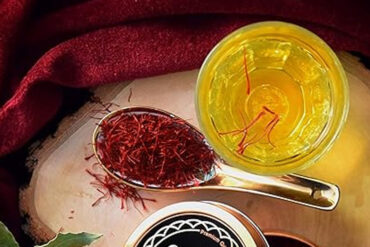
Saffron is best known as a bright red spice used in paella, risotto and herbal teas. But new research suggests it may also support emotional well-being, sexual function and even cognitive health. While scientists caution that more research is needed, the early findings have stirred interest among doctors, patients and researchers looking for natural alternatives to traditional medications.
Saffron comes from the Crocus sativus flower. Each flower produces only a few tiny red threads, which is why saffron is one of the most expensive spices in the world. It is most commonly grown in Iran, the Mediterranean and South Asia, and it can be found in grocery stores, specialty markets and online shops. Many people use saffron in cooking, but most of the studies involving mental health use saffron capsules or tablets, typically around 30 milligrams per day.
Saffron and Depression: What the Research Shows
Psychiatrist Dr. Daniel Amen says saffron may be as effective as traditional antidepressants. He cites randomized trials showing that about 30 milligrams of saffron daily worked “equally as effective” as standard antidepressants like SSRIs. He notes that Middle Eastern cultures have long connected saffron with happiness, explaining that Iranian folklore teases that someone who is “too happy” must have eaten saffron.
A major meta-analysis published by Cambridge University Press in 2025 looked at 192 trials involving over 17,000 patients. It found that saffron had one of the strongest antidepressant effects among 44 nutraceuticals studied. The researchers concluded that saffron produced a moderate to large reduction in depression symptoms. Other reviews have shown similar results, reporting consistent improvements in mild to moderate depression with few serious side effects.
People discussing these studies online and in health forums often say they are drawn to saffron because it feels “natural,” and some report improvements in mood without the side effects they experienced on prescription medications. Doctors warn, however, that long-term safety has not been fully studied.
Saffron and Anxiety: Possible Benefits but Not Proven
Research into saffron and anxiety is much more mixed. Some studies suggest that safranal, one of saffron’s active components, may act on GABA receptors in the brain the same way that diazepam does. A 2022 review found early hints that saffron might help reduce anxiety, but the evidence was described as weak.
A 2020 study of 56 adults found no improvement in anxiety scores after eight weeks of 30 milligrams per day, even though depression and stress responses improved. A 2019 analysis of 23 trials reported “potential” but emphasized that the overall quality of the evidence was low.
Experts say saffron is generally safe in food amounts, but high doses may cause dizziness, nausea or even anxiety. Because of this, doctors recommend relying on established treatments like therapy and medication, with saffron used only as a supplement under supervision.
Saffron and Sexual Health: New Findings for SSRI-Related Problems
One of the most promising areas of saffron research involves sexual dysfunction caused by SSRIs. Dr. Amen argues that saffron has an advantage over traditional antidepressants because it improves, rather than decreases, sexual function.
Jeremy Wolfe, MD, from the Chicago Medical School, reviewed studies on saffron presented at the 2025 American Psychiatry Association meeting. In several trials conducted in Iran, saffron significantly improved erectile function in men and increased arousal and lubrication in women who were taking SSRIs.
For example, in one four-week trial involving men on fluoxetine, those who took saffron showed large improvements in erectile function and satisfaction compared with those receiving a placebo. Women in another fluoxetine study saw better arousal and less pain during intercourse after taking saffron.
Patients who have shared their experiences describe saffron as a welcome alternative when switching antidepressants is not an option. Wolfe warns, however, that saffron can still cause side effects and that overdosing may lead to severe dizziness, vomiting or even serotonin syndrome.
Saffron and Cognitive Health: Could It Help with Alzheimer’s
A 2025 review in the journal Cureus examined the potential for saffron to support memory and cognitive function. According to the authors, saffron’s key components, including crocin and safranal, protect the brain by boosting serotonin, reducing inflammation and increasing antioxidant activity.
In studies involving patients with mild cognitive impairment or Alzheimer’s disease, saffron performed as well as standard medications like memantine or donepezil. Trials measuring cognition with tools such as the Severe Cognitive Impairment Rating Scale found that saffron produced improvements similar to these FDA-approved drugs.
Researchers highlight five major mechanisms that may support memory:
- Regulating serotonin, dopamine and norepinephrine
- Increasing acetylcholine by blocking its breakdown
- Protecting brain cells with strong antioxidants
- Reducing inflammatory signals
- Enhancing synaptic plasticity and brain-derived neurotrophic factor (BDNF)
People in online discussions often express hope that saffron could become a gentler, better-tolerated option for older adults who cannot handle the side effects of standard medications. Scientists caution that all cognitive studies so far have been small, short and mostly conducted in Iran, meaning far more research is needed.
Saffron is a traditional spice with modern scientific promise. Early studies suggest it may help lift mood, support sexual health and possibly improve cognitive function. But because saffron supplements vary in strength and long-term effects remain unknown, experts recommend using it carefully and alongside established treatments.
For those looking into saffron as a supplement, most research uses a dose of 30 milligrams per day, and doctors advise discussing it with a healthcare provider first. As more research emerges, saffron may one day play a larger role in treating depression, anxiety and even neurodegenerative diseases.
HNZ Editor: Saffron is available on Amazon, can someone try it and let us know what you think?