

Researchers at the University of Texas at Arlington have uncovered a powerful enzyme that may hold the key to stopping heart disease and diabetes at their root. This discovery centers around an enzyme called IDO1, which appears to act like a molecular switch—one that can be turned off to restore balance in the body’s cholesterol system and reduce harmful inflammation. The breakthrough could open the door to entirely new treatments for some of the world’s deadliest diseases.
What Is IDO1 and Why It Matters
The enzyme in question, indoleamine 2,3-dioxygenase 1 (IDO1), plays a role in the body’s immune response. Under normal conditions, inflammation is helpful—it helps the body fight infections and heal injuries. But when inflammation becomes chronic, it can spiral out of control and disrupt the body’s ability to process cholesterol. This disruption is often a key factor in developing heart disease, diabetes, and even cancer.
Dr. Subhrangsu S. Mandal, a professor of chemistry at UT Arlington and lead author of the study, explains: “We found that by blocking the enzyme IDO1, we are able to control the inflammation in immune cells called macrophages. By better understanding IDO1 and how to block it, we have the potential to restore proper cholesterol processing, stopping many of these diseases in their tracks.”
How the Enzyme Disrupts Cholesterol Processing
Macrophages are immune cells that help regulate inflammation and cholesterol in the body. One of their important jobs is to take in cholesterol, process it safely, and export it. They use proteins like SR-BI to manage this balance.
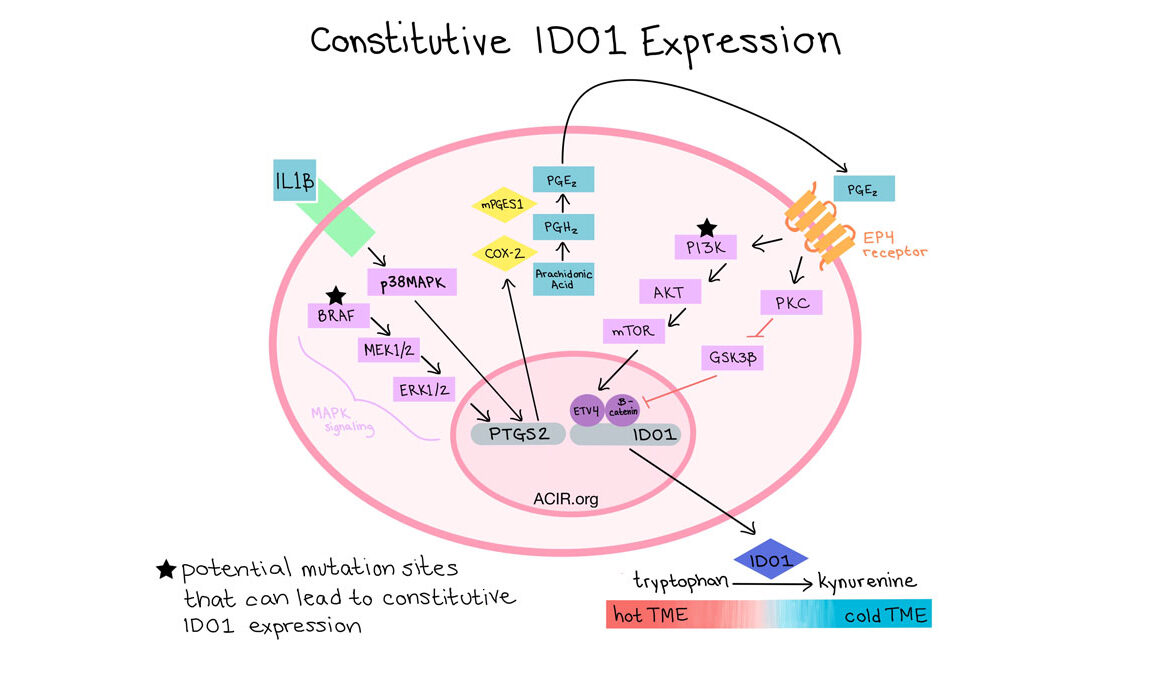
During inflammation, IDO1 becomes overactive and starts converting tryptophan—an essential amino acid—into a molecule called kynurenine. Kynurenine, in turn, interferes with the ability of macrophages to use SR-BI. This prevents the cells from absorbing and clearing cholesterol, leading to buildup, inflammation, and the formation of foam cells, which clog arteries and contribute to heart disease.
Blocking IDO1: A Path to Disease Prevention
In the study, researchers blocked IDO1 using inhibitors and genetic tools. The result: macrophages regained their ability to absorb and process cholesterol. Cholesterol levels returned to normal, and the inflammation was reduced. This finding suggests that IDO1 could be a key target in preventing or even reversing diseases that stem from chronic inflammation and cholesterol imbalance.
The team also discovered another enzyme – nitric oxide synthase (NOS) – that worsens the effects of IDO1. By targeting both enzymes, future treatments could be even more effective.
“These findings are important because we know too much cholesterol buildup in macrophages can lead to clogged arteries, heart disease and a host of other illnesses,” Mandal said. “Understanding how to prevent the inflammation affecting cholesterol regulation could lead to new treatments for conditions like heart disease, diabetes, cancer and others.”
The Science Behind the Discovery
The UT Arlington team included postdoctoral researcher Avisankar Chini, doctoral students Prarthana Guha, Ashcharya Rishi and Nagashree Bhat, master’s student Angel Covarrubias, and undergraduate researchers Valeria Martinez, Lucine Devejian, and Bao Nhi Nguyen.
Their work built on previous findings about cholesterol transport systems, including the role of SR-BI and other proteins like ABCA1 and ABCG1. In healthy cells, cholesterol is absorbed, stored safely as esters, and later exported out of the cell with the help of these proteins. When IDO1 and NOS disrupt this system, the entire cholesterol process collapses, something this new research could help prevent.
The research is still in its early stages, but the team is now focused on developing safe and effective inhibitors of IDO1. If successful, these treatments could one day offer a new way to prevent or treat diseases driven by chronic inflammation.
The ultimate goal is to create therapies that stop disease before it starts, by targeting the underlying causes rather than simply managing symptoms. This could mean a future with fewer cases of heart disease, diabetes, and other metabolic conditions that affect millions each year.
For now, scientists are cautiously optimistic. As Dr. Mandal and his team continue their research, the medical world will be watching closely, hopeful that one small enzyme could bring about a giant leap in human health.