

A New Look at Fat: It’s Not Just Shrinking Cells
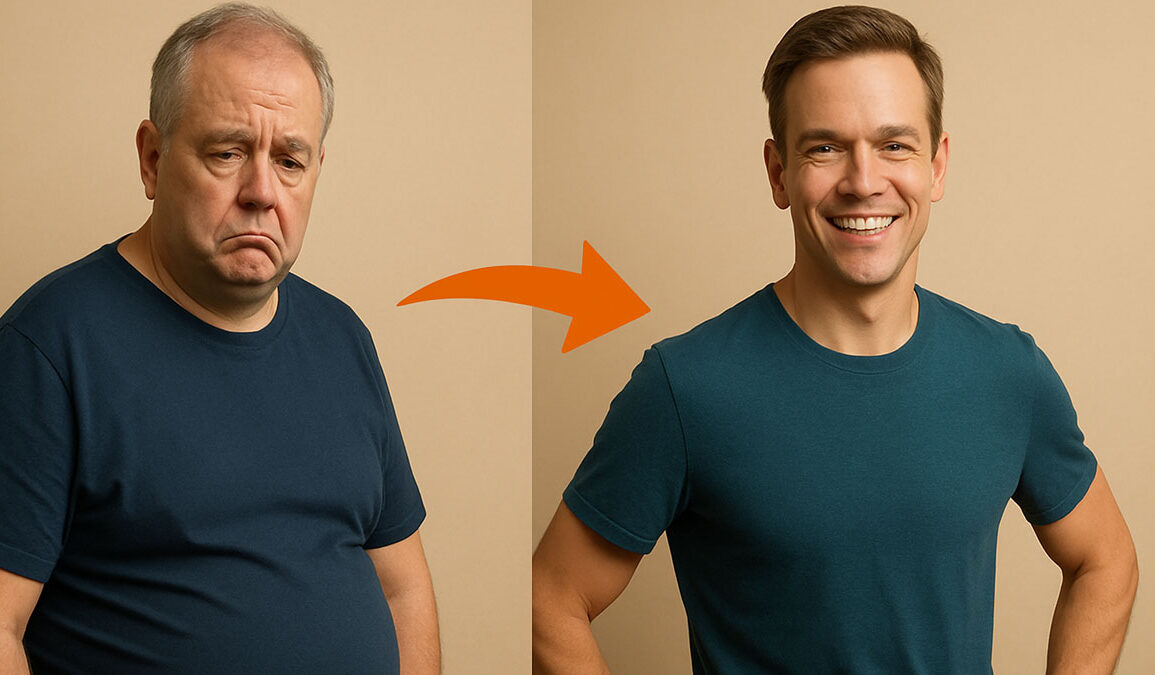
A groundbreaking study published in Nature has revealed that losing weight doesn’t just reduce fat — it may actually rejuvenate fat tissue by clearing out aged, damaged cells. Led by William Scott of Imperial College London, the international research team examined how fat behaves at the cellular level before and after weight loss. Their findings could reshape how scientists and doctors understand obesity, recovery, and long-term health.
“Fat is not just a passive storage depot,” said Scott. “It’s an active tissue made of many types of cells, sending signals that regulate metabolism, appetite, and inflammation.” When people gain weight, that system breaks down. But this new study shows that some of the damage can actually be reversed.
How the Study Worked
Researchers collected subcutaneous abdominal fat samples from 25 patients with obesity who underwent weight-loss surgery, then sampled again after five to eighteen months. On average, each participant had lost about 55 pounds. These samples were compared with those from 24 lean individuals and data from a previously published human fat tissue atlas.
Using cutting-edge single-nucleus RNA sequencing and spatial transcriptomics, the team analyzed over 170,000 cells, looking at gene activity to determine how each type of cell responded to weight loss.
Fat Tissue Begins to Heal Itself
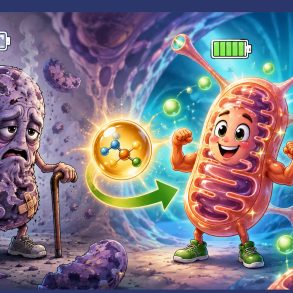
One of the most striking discoveries was the reversal of “senescence” — the aged, damaged state that fat cells enter during obesity. These senescent cells promote inflammation and scarring, contributing to diseases like diabetes, heart disease, and fatty liver.
After weight loss, many of these senescent cells, particularly in metabolic, vascular, and precursor fat cell types, disappeared. The fraction of “stressed” fat cells dropped from 55% to just 14%. According to Scott, “The body clears damaged and harmful cells and, in effect, is rejuvenating our tissues.”
The process also appears to revitalize how fat cells handle lipids. Instead of simply storing excess fat, the rejuvenated fat cells began to recycle fatty molecules, possibly preventing those fats from spilling over into other organs where they cause damage.
The Immune Memory Problem
But the rejuvenation wasn’t complete. Immune cells in the fat tissue — especially macrophages that contribute to inflammation — remained stubbornly unchanged. Despite a drop in their numbers, they continued to express genes linked to inflammation and disease.
“There’s a memory in fat tissue,” Scott explained. “Obesity hard-wires some processes into the immune system that don’t just vanish when the weight comes off.”
This immune “scarring” may explain why some health issues persist after weight loss, and why it can be so easy to regain the weight. According to the study, these leftover immune cells keep the body primed for metabolic dysfunction.
Dr. Francesco Rubino, a metabolic surgery expert at King’s College London who wasn’t involved in the study, believes this reinforces the idea that weight loss alone shouldn’t be the sole focus of obesity treatment. “You can lose less weight and still achieve fantastic benefits,” he noted. “The metabolic improvements matter most.
By mapping five distinct tissue zones, including stress zones that appear damaged in obesity, researchers found clear differences in how fat recovers after weight loss. These zones, especially where stressed cells cluster near immune hotspots, may offer targets for future drug development.
Among the most promising targets are molecules like THBS1 and NAMPT, which remained elevated in stressed areas and could potentially be blocked to improve recovery.
Lipid metabolism researcher Andrew Hoy from the University of Sydney agreed the study was an important advance, though he cautioned that the methods don’t capture every cellular interaction and that visceral fat — which surrounds organs — may behave differently.
Still, the research offers hope that scientists can soon develop therapies that not only reduce weight but also target the lingering biological damage caused by obesity.
More than one billion people worldwide live with obesity, and current treatments often fail to produce lasting results. This new research suggests a path forward by showing that fat tissue is surprisingly resilient — and that some of its damage can be undone.
While weight loss alone doesn’t wipe the slate clean, understanding which cell types bounce back and which retain damage could lead to more personalized and effective treatments.
As Scott put it, “We may, in the future, be able to develop drugs that target the good bits but also block the harmful bits that get hardwired by obesity.” For the millions fighting to reclaim their health, that future may be closer than it seems.