


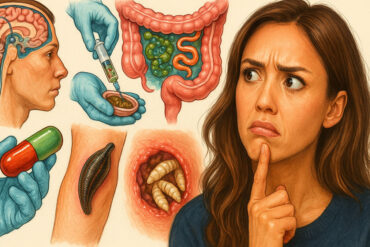
Not All Leeches and Leprosy
If you think medieval medicine was all about chanting over sick people while rubbing toad slime on their wounds, you’re not entirely wrong—but you’re also not entirely right. Despite its reputation for superstition and bloodletting, new research from Binghamton University and other international scholars is giving the so-called “Dark Ages” a surprising facelift. Turns out, medieval doctors were mixing a surprising amount of science and sense into their healing arts, even if they did sometimes recommend rubbing lizard guts on your scalp.
According to Meg Leja, a history professor at Binghamton, “People in the early Middle Ages were quite into science, into observation, into figuring out the utility of different natural substances.” In other words, medieval Europe wasn’t just praying for miracles—they were poking, prodding, and sometimes poking again with sharp objects.
The Big Buckets of Medieval Treatment
Treatments in medieval times generally fell into several overlapping categories:
- Herbal Remedies: Think of it as the original Whole Foods, minus the air conditioning. Plants like mint, sage, and wormwood were used to treat everything from stomach cramps to lung infections.
- Bloodletting: The go-to method for nearly everything. Feeling moody? Got a fever? Can’t sleep? Just drain some blood. What could go wrong?
- Humoral Balancing: Based on the ancient Greek belief that the body was governed by four fluids: blood, black bile, yellow bile, and phlegm. The goal? Balance your inner goo.
- Surgical Intervention: Barber-surgeons (yes, your haircut came with a side of battlefield amputation) performed basic procedures like setting bones, lancing boils, and removing bladder stones.
- Supernatural Solutions: If all else failed, you could always blame the stars, sin, or demons and try praying it away—or better yet, get your local king to touch you and hope for a miracle.
Weirdly Effective: What’s Old Is New Again
Some medieval treatments weren’t as loony as they sound—and in fact, modern science is giving a few of them a second look. Here are some techniques that may actually work (minus the plague):
- Herbal Medicine: Many plants used by medieval healers—like rose oil for headaches or mint for stomach pain—have genuine therapeutic value.
- Maggot Therapy: Yes, it’s gross, but maggots are back in modern hospitals because they clean wounds better than your average intern.
- Wine as an Antiseptic: Medieval monks poured wine into wounds to prevent infection. They didn’t know about bacteria, but they weren’t far off.
- Urine Diagnosis: While sniffing a flask of pee might not make you the next Dr. House, urine testing is still a pillar of modern diagnostics.
- Saunas and Herbal Baths: Vapor baths made with fragrant herbs were common and might actually have helped relieve stress and respiratory issues.
These aren’t just nostalgic oddities—modern researchers and alternative health influencers are revisiting these ideas. The Corpus of Early Medieval Latin Medicine, a new international catalog of ancient medical texts, shows that some of these remedies have been circulating on TikTok long before TikTok even existed.
Don’t Try This at Home
Of course, not everything from medieval medicine belongs in a Whole30 wellness guide. Here are some practices you might want to leave in the 10th century:
- Trepanning: Drilling holes in your skull to “let the demons out” is not an FDA-approved treatment for migraines.
- Medicinal Cannibalism: That’s right—some people thought consuming powdered mummy or human fat would cure disease. Hard pass.
- Boiling Oil Cauterization: If you like your surgeries with the added bonus of third-degree burns, this one’s for you.
- Astrological Medicine: Timing your surgery based on your Zodiac sign is not supported by peer-reviewed journals.
- Lizard Shampoo: Allegedly made your hair more “flowing.” Or maybe just made it smell like dead lizard.
Was It Science or Just Weird?
The truth is, medieval medicine was a cocktail of observation, superstition, trial-and-error, and religious dogma. The Church often insisted illness was punishment for sin, while monks cultivated herbs and wrote detailed medical texts. Astrologers thought the moon caused phlegm problems. And yet, within this chaotic swirl of prayer, blood, and parsley tea, some useful knowledge persisted.
Even amid the horrors of the Black Death, people tried everything from aromatic herbs to sound therapy (yes, they rang bells to clear the air) in a desperate attempt to stay alive. Some of it was nonsense. Some of it—like quarantining ships in port—was shockingly forward-thinking.
So, Should You Trust a Medieval Doctor?
Let’s put it this way: if your 21st-century doctor shows up with a urine flask and a Zodiac chart, run. But if they hand you rose oil for your headache or recommend a bit of mint tea, you might just be sipping on a thousand years of wisdom.
Just maybe skip the boiled lizard.