


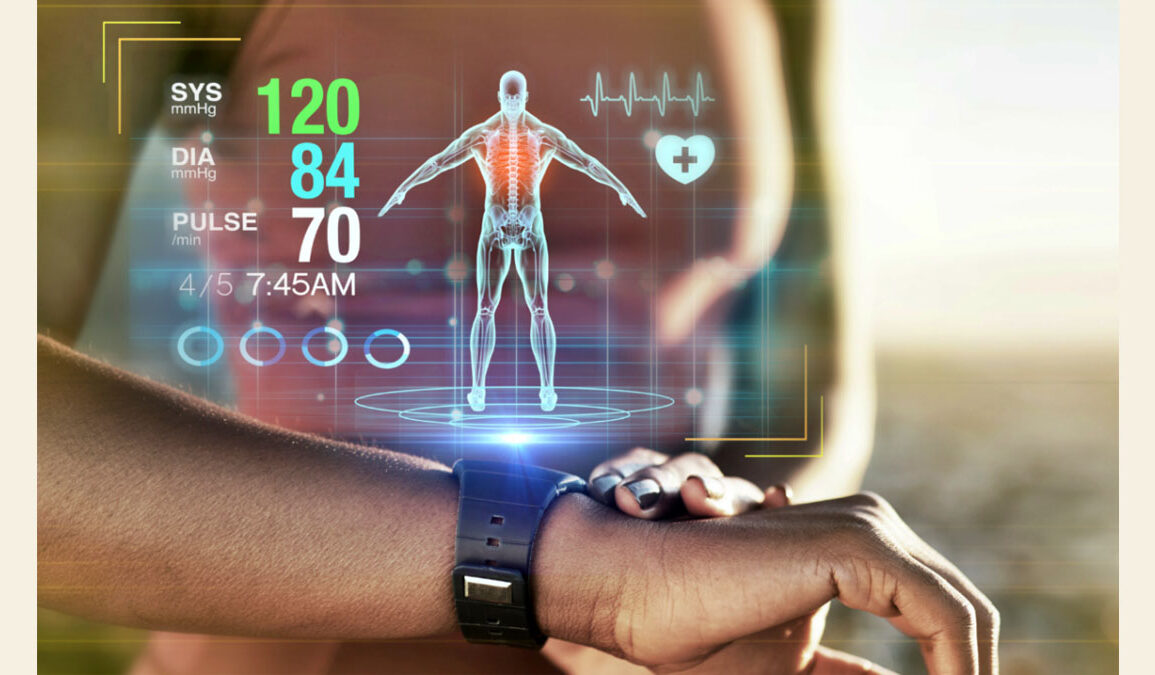
Wearable health technology is reshaping the way we manage wellness and treat illness. No longer limited to step counters or heart rate monitors, these devices are becoming sophisticated tools that empower people to take greater control of their health – often in real time and without ever stepping foot in a doctor’s office. From tracking chronic conditions to flagging early signs of disease, wearable health tech is transforming how we understand and improve the human body.
What Is Wearable Health Tech?
Wearable health technology refers to electronic devices worn on the body that track and collect health-related data. These tools gather vital information like heart rate, glucose levels, sleep patterns, or even stress biomarkers, allowing patients and doctors to make informed decisions about health management. The goal is clear: to shift healthcare from reactive to proactive, delivering personalized insights and real-time monitoring that can lead to better outcomes.
What Is It Designed to Do?
Wearables are built to perform several key functions:
- Monitor vital signs like blood pressure, heart rate, and glucose levels
- Detect health anomalies early before symptoms appear
- Help manage chronic diseases like diabetes or hypertension
- Offer continuous insight into daily habits that affect health
- Support clinicians with remote monitoring and data sharing
- Provide users with motivation and feedback for healthier behavior
According to experts like Dr. Arjun Athreya and Dr. Jeannie Bailey, wearables are beginning to deliver meaningful clinical outcomes, not just consumer convenience. Dr. Bailey explains, “This tracking really enables patients to take ownership and think about their own progress… it gives them that feedback,” adding that it gives patients hope and motivation.
Top Wearable Health Tech Devices
Here are 10 of the most popular wearable devices transforming patient care:
- Apple Watch Series 9
Tracks heart rate, blood oxygen, ECG, and detects falls. It’s FDA-approved for ECG monitoring and integrates with iPhones to share health data. - Fitbit Charge 6
Monitors activity, sleep, stress, and includes a heart rate sensor. It offers health reports and wellness coaching through a connected app. - Abbott FreeStyle Libre 2
A continuous glucose monitor worn on the upper arm that sends real-time alerts to smartphones to help manage diabetes. - KardiaMobile ECG
A pocket-sized ECG sensor that connects with a phone to detect abnormal heart rhythms and allows patients to share data with doctors. - Oura Ring
A smart ring that measures sleep cycles, body temperature, and recovery levels—helpful for tracking overall readiness and immune health. - Hexoskin Smart Shirt
A sensor-embedded shirt that monitors heart rate, breathing, and activity to offer detailed health insights without the need for bulky devices. - Garmin Venu 3
A fitness smartwatch with built-in GPS, heart rate tracking, respiration monitoring, and pulse oximeter, designed for active users. - Whoop Strap 4.0
Focuses on recovery and strain by monitoring heart rate variability, sleep performance, and physical stress without a screen. - Empatica E4 Wristband
Used in medical research, this band measures skin conductance, temperature, and motion, useful for monitoring stress and seizures. - Samsung Galaxy Watch 6
Equipped with bioelectrical impedance sensors, it tracks heart health, body composition, and sleep to support weight and fitness goals.
Each of these devices helps users and clinicians understand the body’s signals in ways that were previously only possible with costly hospital equipment.
What Aspects of Health Need Monitoring Most?
While wearables can track dozens of data points, the most critical aspects for ongoing health monitoring include:
- Cardiovascular Health: ECG, heart rate, and rhythm for stroke and heart attack prevention
- Blood Sugar: For diabetes prevention and management
- Sleep Quality: Restful sleep is key for recovery and immune strength
- Physical Activity: Step count, calories burned, and sedentary behavior
- Stress and Mood: Measured via heart rate variability and cortisol biomarkers
- Blood Pressure: Especially important for hypertension and kidney function
Continuous, real-time feedback from these metrics helps users spot trends and risks before symptoms become serious problems.
Empowering Patients, Supporting Providers
One of the biggest impacts of wearable tech is shifting healthcare outside the walls of hospitals. Patients, especially those managing chronic conditions, can now take a more active role in their care. Real-time feedback encourages healthy behavior and allows them to understand how changes in activity, diet, or medication affect their well-being.
Healthcare providers also benefit. As Dr. Athreya noted, wearables could allow clinicians to use patient-generated data for “prognostication, prediction, or diagnosis.” This can reduce unnecessary visits and give doctors deeper insight into their patients’ daily lives.
Trump Administration’s Plan for Health Tech
The Trump administration is making a major push to modernize healthcare through technology. At the “Make Health Tech Great Again” summit, President Trump and Health Secretary Robert F. Kennedy Jr. announced a new public-private partnership aimed at digitizing health records and integrating wearable data into care.
More than 60 companies—including Apple, Google, Amazon, OpenAI, and Oracle—have pledged to create a next-generation digital health ecosystem. The plan includes:
- AI-powered apps for managing obesity and diabetes
- Tools to track glucose, steps, and sleep
- Digital assistants that help with symptom checking and appointment scheduling
- An app library on Medicare.gov to direct patients to personalized tools
Trump said the goal is to move healthcare “from clipboards and fax machines into a new era of convenience, profitability and speed.” RFK Jr. added, “We’re tearing down digital walls, returning power to patients, and rebuilding a health system that serves the people.”
Supporters call it a revolution. Dr. Mehmet Oz, now head of CMS, said, “You own your medical records, they’re yours. Why you can’t have access to them is a stunning reality… That ends now.”
Many technologists and physicians see it as a necessary step toward smarter, more connected healthcare. “This is how we begin to Make America Healthy Again,” said Kennedy.
But others caution about privacy, cost, and data security. Devices must be accurate and accessible to all, not just the wealthy. As studies show, adoption still depends on trust, technical support, and the guidance of healthcare providers.
A New Era for Personal Health
Wearable health technology is not just a trend—it’s a fundamental shift. By putting real-time health data into the hands of patients and their doctors, it creates a more responsive, inclusive, and effective healthcare system. With support from government and tech giants alike, the future of wearable health tech looks not just promising, but inevitable.