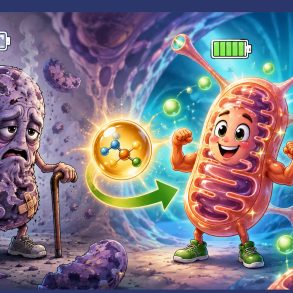



Taurine has long been hyped as a potential secret weapon against aging. Found naturally in the body and in foods like shellfish and dark meats, this sulfur-containing amino acid made headlines in 2023 for its supposed anti-aging benefits. But a new study published in Science has thrown cold water on those claims, suggesting that taurine may not be the longevity miracle supplement that some hoped it was.
What Is Taurine?
Taurine is an amino acid that supports several biological functions, including heart health, metabolic regulation, and muscle performance. It’s produced in small amounts by the human body and is also found in various foods, particularly in meat, seafood, and energy drinks. Early proponents suggested that taurine levels declined with age and that supplementing it could restore vitality and extend life.
The Initial Hype: Taurine as a Fountain of Youth?
The buzz around taurine’s longevity benefits began with studies led by Vijay Yadav, a biogerontologist from Rutgers University. In 2023, Yadav and his team published findings showing that taurine levels dropped as animals aged and that supplements extended the lifespan of mice while improving healthspan in monkeys. They also found that taurine deficiency was linked with poor health outcomes.
The theory was simple and compelling: if taurine declined with age, then supplementing it could counteract age-related decline. Many in the wellness industry jumped on the bandwagon, and taurine began appearing in everything from capsules to energy drinks, often promoted by influencers and biohackers as a must-have anti-aging tool.
A New Study Flips the Script
But a new study released in June 2025 paints a very different picture. Conducted by researchers including Dr. Luigi Ferrucci from the National Institute on Aging, this study followed three groups of people over time and also included data from monkeys and mice. The result? Taurine levels did not decline with age—in fact, in some older individuals, they increased.
This finding shocked researchers, including Ferrucci himself. “We did this study to confirm what the first had done,” he explained. “When the study was finished, there was a large discrepancy.” This means taurine may not be a reliable marker of aging after all.
Why the Difference in Results?
One explanation for the conflicting findings lies in the design of the studies. The earlier research was mostly cross-sectional—it looked at people of different ages at one point in time. The newer study was longitudinal, tracking the same individuals over time, which scientists generally consider a more reliable method.
There’s also the issue of genetic diversity. Yadav’s 2023 study relied heavily on data from a genetically similar Finnish population, while Ferrucci’s newer research used more diverse groups, such as residents from Baltimore. Yadav acknowledged this could be a factor, noting that different ethnic backgrounds might show different taurine profiles.
Even diet and fasting status can affect taurine levels, similar to how blood sugar levels vary depending on whether someone has eaten recently.
What Does Taurine Actually Do?
Supporters claim taurine helps with relaxation, sleep, athletic performance, and cardiovascular health. It’s also believed to have antioxidant properties, which could theoretically fight the cellular damage associated with aging. However, much of this evidence comes from small-scale animal studies or limited human trials.
Anastasiya Shor, a pharmacist and professor at Touro College of Pharmacy, said that while taurine is considered safe in small doses, its anti-aging benefits remain unproven. Up to 3 grams per day appears safe, but higher doses haven’t been well studied.
Is It Worth Taking?
According to the FDA, taurine is safe when used in modest amounts, such as in beverages or supplements. But is there any reason to take it if you’re not deficient? Probably not. Shor pointed out that people eating a typical Western diet already get plenty of taurine from meat and dairy, and vegetarians or vegans might not need to supplement either.
Even Yadav, who has spent over a decade studying taurine, doesn’t recommend supplementation yet. “I am very hopeful that by next year we will have strong data to recommend it or not recommend it,” he said.
The rapid rise and reversal of taurine’s reputation reveal how quickly a supplement can gain popularity without solid evidence. As Gideon Meyerowitz-Katz wrote, the taurine flip-flop shows how fragile the foundations of many wellness products really are. Often, a handful of promising studies spark excitement before the full picture is known.
There’s nothing inherently wrong with scientific revision. In fact, it’s how science should work. But in the case of anti-aging supplements like taurine, hype often outpaces the evidence. One strong study can suddenly bring down the house of cards.
HNZ Editor: This was only one study, perhaps the next one will find something different. If you believe Taurine is good for you, perhaps you might wait for corroboration.