

The Gut-Brain Connection in Parkinson’s
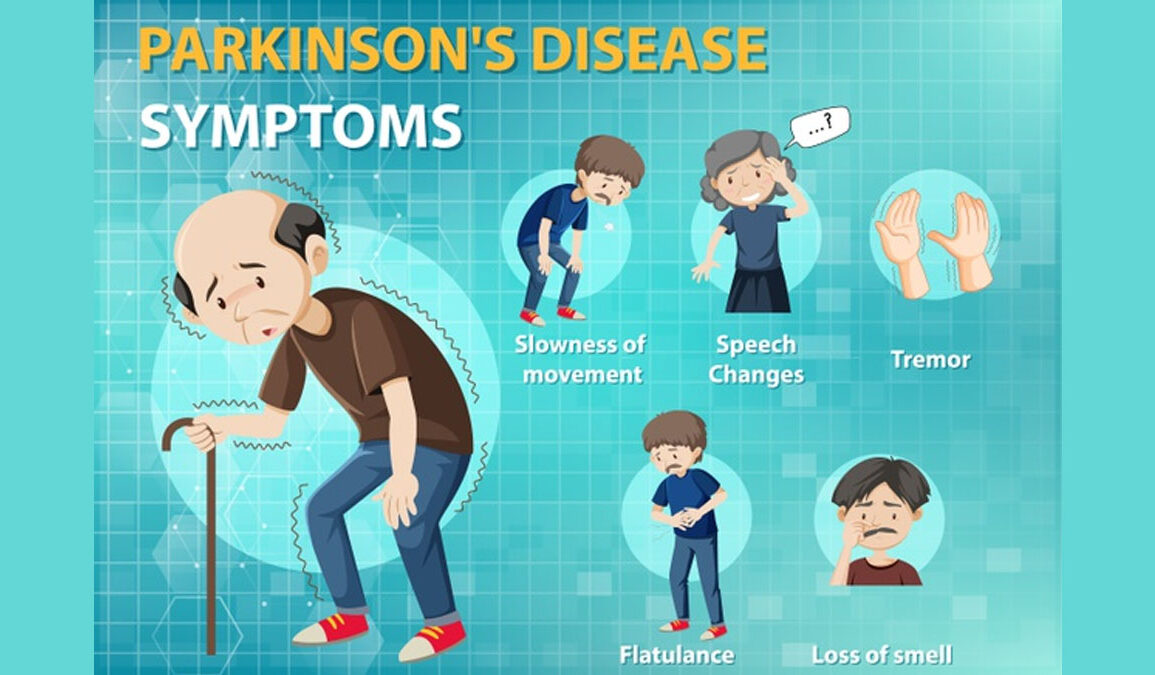
For years, scientists have suspected that Parkinson’s disease, a neurodegenerative condition affecting nearly 10 million people worldwide, might be tied to the gut. Constipation, sleep problems, and other digestive issues often appear decades before the tremors, stiffness, and cognitive decline that define the illness. Now, new research suggests that gut bacteria may not just be an early warning sign but a key driver of the disease — and that a surprisingly simple treatment could help.
Researchers at Nagoya University in Japan, led by medical scientist Hiroshi Nishiwaki, have found that people with Parkinson’s often lack gut bacteria that produce two essential nutrients: riboflavin (vitamin B2) and biotin (vitamin B7). By analyzing fecal samples from patients in Japan and comparing them with data from China, Taiwan, Germany, and the United States, Nishiwaki’s team found that while the specific bacterial species varied, all were linked to reduced vitamin production. This shortage may weaken the intestinal lining, allowing toxins such as pesticides and cleaning chemicals to reach the nervous system and trigger the protein clumping that damages dopamine-producing brain cells.
The Promise of a Simple Fix
Nishiwaki believes supplementation with B2 and B7 could slow the disease. “Supplementation therapy targeting riboflavin and biotin holds promise as a potential therapeutic avenue for alleviating PD symptoms and slowing disease progression,” he explained. Past research supports this idea — a 2003 study found that high doses of riboflavin improved motor function in Parkinson’s patients who also removed red meat from their diets. The proposed treatment could be as straightforward as identifying patients with these deficiencies and giving them targeted vitamin supplements.
How Gut Bacteria May Drive Symptoms
The gut’s role in Parkinson’s goes beyond vitamin production. Studies from King’s College London have shown that harmful mouth bacteria can migrate into the gut, releasing toxins that promote inflammation and potentially worsen brain function. This “oral-gut translocation” may accelerate the shift from mild cognitive problems to dementia in Parkinson’s patients. Researchers also suspect that a weakened gut lining increases exposure to environmental toxins, fueling the overproduction of α-synuclein, a protein that clumps together in the brains of people with the disease.
Testing Gut-Based Therapies
At Ghent University Hospital in Belgium, neurologist Patrick Santens led a trial testing fecal microbiota transplantation (FMT) — the transfer of gut microbes from healthy donors into Parkinson’s patients. The results were striking: patients who received donor microbes improved by an average of six points on a standard motor function test, far surpassing the gains usually seen in Parkinson’s drug trials. While not every patient benefited equally, and more research is needed, these findings hint that reshaping the gut microbiome could have powerful effects.
Other studies are exploring dietary fiber to boost short-chain fatty acids, probiotic interventions to restore healthy gut bacteria, and even small molecules that block harmful bacterial byproducts. Scientists are also tracking specific bacterial species over time to see how changes in the microbiome align with the disease’s progression.
Cautious Optimism About a Cure
Experts are careful not to call this a cure just yet. Parkinson’s is complex, and not every patient’s disease begins in the gut. Some may have a “gut-first” form, while others have a “brain-first” version. Still, researchers like Nishiwaki and Santens believe gut-focused therapies could slow progression and improve quality of life — even if they do not eliminate the disease entirely.
As geneticist Haydeh Payami at the University of Alabama at Birmingham puts it, “Even if the pathology doesn’t begin in the gut, it almost always ends up there.” That means restoring gut health could be a crucial part of managing Parkinson’s, and in some cases, perhaps preventing it from worsening.
The next few years of research will determine whether a simple vitamin supplement, a fecal transplant, or a targeted gut therapy could become part of standard Parkinson’s care. For millions of patients worldwide, that possibility offers a rare and hopeful shift in the fight against a relentless disease.