


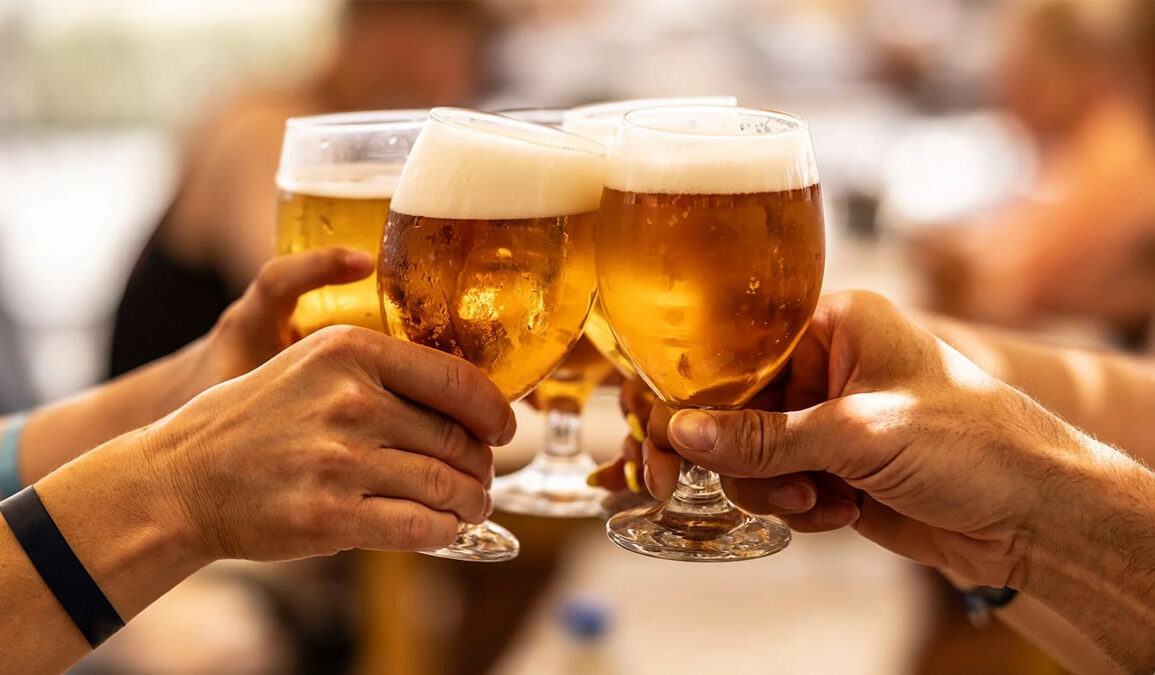
Alcohol use in the United States has fallen to its lowest level in nearly 90 years of tracking, according to a new Gallup poll. The survey, conducted in July, found that only 54% of U.S. adults say they drink alcohol. That is one percentage point lower than the previous record low of 55% set in 1958 and well below the levels of recent decades, when at least six in ten Americans regularly reported drinking.
Growing Belief That Moderate Drinking is Harmful
For the first time, a majority of Americans — 53% — now believe that even moderate drinking is bad for their health. This is a sharp increase from just 28% in 2015 and 45% last year. Younger adults are driving much of this shift, with about two-thirds of those aged 18 to 34 saying one or two drinks a day can be harmful. In 2015, only about four in ten in that age group held that view. Older Americans are also becoming more skeptical. Roughly half of adults aged 55 and over now see moderate drinking as unhealthy, compared with just two in ten a decade ago.
Gallup’s director of U.S. social research, Lydia Saad, suggests that older adults may be slower to change their views due to decades of shifting health recommendations. “Older folks may be a little more hardened in terms of the whiplash that they get with recommendations,” she said, noting that young adults have grown up hearing that alcohol carries health risks.
A Shift in Scientific Consensus
The belief that moderate drinking could benefit heart health has largely been abandoned. Health experts now point to overwhelming evidence linking alcohol to negative health outcomes, including its role as a leading cause of cancer. Earlier this year, outgoing U.S. Surgeon General Vivek Murthy urged placing warning labels on beer, wine, and liquor bottles to make the alcohol-cancer connection clear. Murthy noted that alcohol causes about 100,000 cancer cases and 20,000 cancer deaths annually in the United States, a toll greater than alcohol-related traffic fatalities.
The federal government’s current dietary guidelines recommend abstaining from alcohol or limiting intake to two drinks per day for men and one for women. New guidelines, ordered by Health Secretary Robert F. Kennedy Jr., are expected later this year, though it is unclear how they may change.
Declining Drinking Across All Age Groups
The drop in alcohol consumption is not being driven by people switching to recreational marijuana or other substances. While marijuana use is higher than a decade ago, Gallup found it has been stable for the past four years and does not explain the decline in drinking.
Young Americans, once the most likely to report drinking, now have slightly lower drinking rates than middle-aged and older adults. Women and younger adults have seen the sharpest declines in recent years.
Even among those who still drink, consumption levels are falling. Only 24% of Americans said they had consumed alcohol in the past day, the lowest on record, and about 40% said it had been more than a week since their last drink, the highest level since 2000. Average weekly consumption has dropped to 2.8 drinks, down from 3.8 last year and far below the 2003 peak of 5.1.
Health Concerns May Be Limiting Drinking Frequency
The survey found that people who believe moderate drinking is unhealthy are just as likely as others to say they drink, but they do so less often. About half of these concerned drinkers reported having a drink in the previous week, compared with seven in ten among those who do not see moderate drinking as harmful.
Gallup has tracked Americans’ drinking behavior since 1939 and their attitudes toward moderate drinking since 2001. The latest findings suggest a significant cultural and health-awareness shift that could continue to reshape drinking habits in the years ahead.
HNZ Editor: It might also be that marijuana use is massively on the rise.