

Colon cancer is one of the deadliest diseases we face
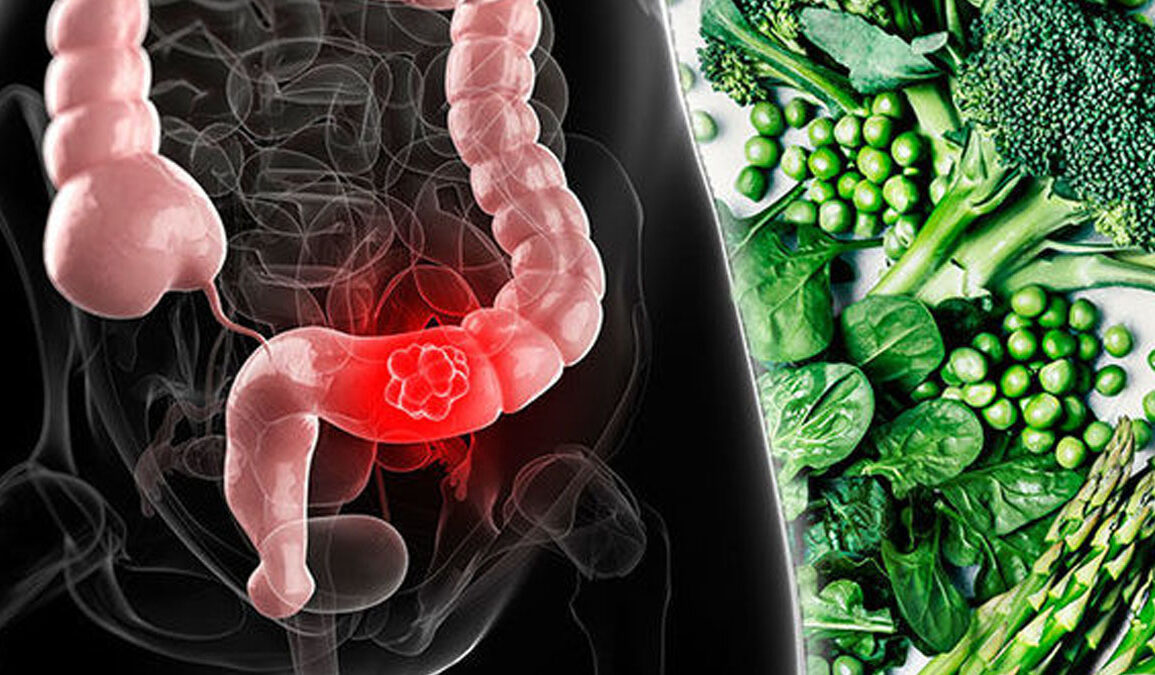
Colon cancer is no small threat. In 2022 alone, it claimed more than 903,000 lives worldwide, making it the second leading cause of cancer-related deaths. Each year, roughly 1.9 million people are diagnosed with this disease, and doctors are particularly alarmed at how often it is appearing in people under 50.
Lifestyle plays a big role in risk. A sedentary routine, obesity, smoking, alcohol, and processed foods all increase the chances of colon cancer. But research shows that diet can also provide one of the most powerful defenses we have.
A closer look at the broccoli effect
A sweeping analysis published in BMC Gastroenterology has given broccoli, cauliflower, Brussels sprouts, and cabbage a major public relations boost. Researchers reviewed 17 studies with more than 639,000 participants, including almost 98,000 colon cancer cases. The verdict? People who ate more cruciferous vegetables had a 20 percent lower risk of colon cancer compared to those who ate the least.
The sweet spot was between 20 and 40 grams a day—about half a cup of chopped broccoli. Below 20 grams, the effect was weaker, and beyond 60 grams, the benefits flattened out. Geography even played a role: the protective effect was strongest in studies from North America and Asia, while Europe and Australia showed less consistent results.
What makes these vegetables so powerful
The secret lies in compounds called glucosinolates. When you chew broccoli or Brussels sprouts, these break down into isothiocyanates such as sulforaphane. That pungent smell that children wrinkle their noses at? It’s also a weapon against cancer.
Isothiocyanates help protect cells in several ways:
- They block enzymes that activate carcinogens.
- They encourage malignant cells to self-destruct through apoptosis.
- They prevent tumors from creating new blood vessels.
- They halt uncontrolled cell growth.
On top of this, cruciferous vegetables are rich in vitamin C, carotenoids, fiber, and flavonoids. Together, these compounds reduce oxidative stress, calm inflammation, and even support gut bacteria that keep the intestinal lining healthy.
Other foods that help guard against colon cancer
Broccoli isn’t alone in the fight. Past studies have linked lower colon cancer risk to diets rich in:
- Whole plant foods
- Dietary fiber
- Dairy products
- Fish
Cruciferous vegetables add another powerful ally to this lineup, which is why nutritionists recommend mixing them into daily meals rather than relying on a single source.
Doctors and dietitians weigh in
Nutrition experts like Monique Richard, a registered dietitian nutritionist, point out that cruciferous vegetables don’t just supply cancer-fighting compounds—they also provide a steady feed for the gut microbiota, improving digestion and gut health.
Dr. Nilesh Vora, a medical oncologist in California, notes that colon cancer is rising especially among younger people. He argues that studies like this one “help generate a hypothesis” about how diet can lower risk and says further validation will be critical.
Even skeptics admit the findings are compelling. While researchers caution that study designs and dietary recall methods can introduce errors, the broad consistency across nearly 640,000 people makes the protective effect difficult to ignore.
How to eat your broccoli without gagging
Of course, knowing broccoli might save your life doesn’t magically make it taste better. But nutritionists offer some tricks: roast broccoli and cauliflower with olive oil and garlic to bring out sweetness, add kale to smoothies, fold florets into omelets, or top Brussels sprouts with mustard or soy sauce for extra kick.
Starting small also helps. Just a half cup of broccoli a day can deliver noticeable protection. Think of it as insurance—one spoonful at a time.
A plot by mothers everywhere?
For decades, mothers have told their children, “Eat your broccoli, it’s good for you.” Now science is backing them up with hard numbers. Maybe kids around the world weren’t victims of parental nagging at all—they were part of an early public health campaign.
So next time you’re staring down a plate of steamed greens, remember: hating broccoli is understandable. But ignoring it could be deadly.