


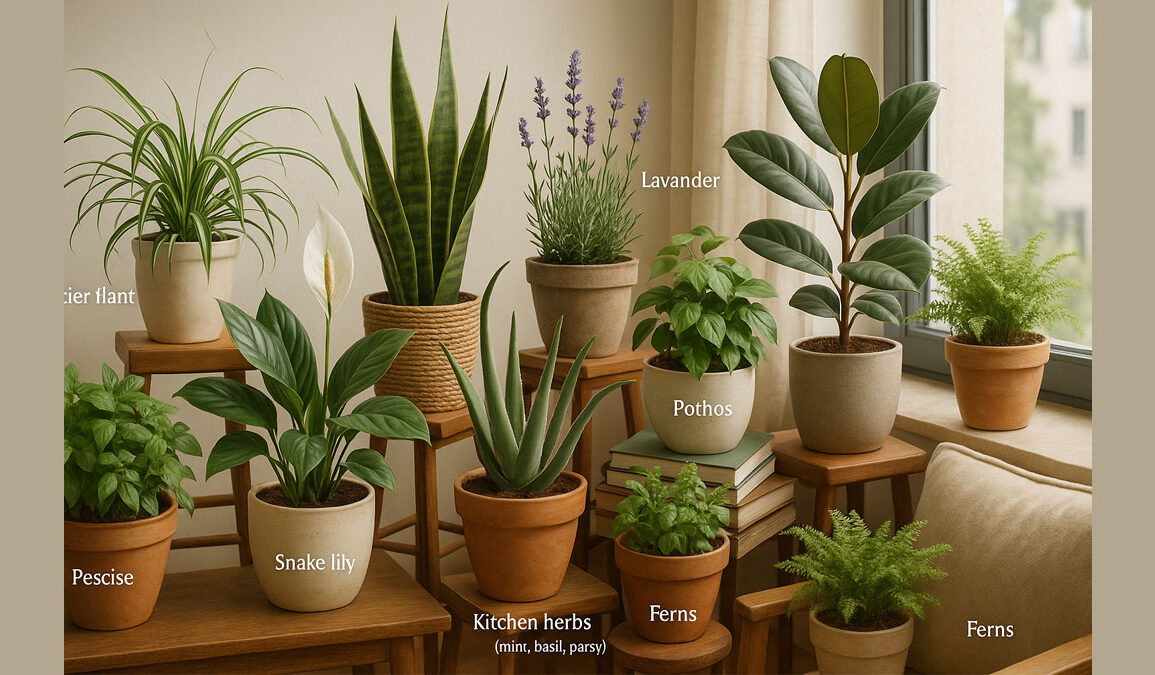
Indoor gardening is more than just a passing trend. For centuries, people have known that greenery makes a room feel alive, but modern research shows that houseplants can also improve physical and mental health. From purifying the air to helping people relax, plants offer simple but powerful benefits.
The Case for Houseplants
Researchers have found that people surrounded by plants experience lower stress levels, sharper focus, and improved mood. Studies show that office workers with plants nearby take fewer sick days and report greater job satisfaction. Hospital patients surrounded by greenery recover faster, while children in classrooms with plants score higher on tests. Caring for plants may also help reduce anxiety and depression by creating a sense of responsibility and connection.
So which plants deliver the biggest health benefits? Here are the top 10 houseplants and what makes them so effective.
1. Spider Plant: Moisture and Air Quality Boost
Spider plants are known for their ability to increase humidity in dry rooms. Low indoor humidity, especially in the winter, raises the risk of colds, flu, and dry skin. In one study, spider plants raised bedroom humidity from 20% to 30%, a more comfortable level for breathing. Their long, arching leaves also trap dust and airborne particles, helping to keep the air cleaner. Easy to grow and nearly indestructible, spider plants are ideal for beginners and can quickly multiply into new “pups” for additional pots.
2. Peace Lily: Allergy Relief and Calming Presence
The peace lily not only produces beautiful white flowers but also helps trap dust and mold spores in its leaves. This makes it a natural air filter for people with allergies. Its ability to thrive in low light makes it perfect for apartments and offices. The peace lily also contributes to improved recovery in hospitals, with research showing patients exposed to this plant report less pain and faster healing. The calming look of its white blooms provides an added emotional lift.
3. Snake Plant: Stress Reduction and Nighttime Oxygen
Snake plants, also known as mother-in-law’s tongue, are famous for being nearly impossible to kill. They thrive in low light and need only occasional watering. More importantly, snake plants release oxygen at night, unlike many other plants that stop during darkness. This makes them perfect for bedrooms, where they can support deeper sleep. Studies also show that simply being near snake plants lowers blood pressure and cortisol, the body’s stress hormone, helping people relax after long days.
4. Aloe Vera: First Aid and Digestive Aid
Aloe vera has been prized for centuries as a natural medicine. The gel inside its thick leaves is widely used for treating sunburns, minor cuts, and skin irritation. It soothes inflammation and provides cooling relief. Beyond topical use, aloe juice can act as a mild laxative for constipation. Having a living aloe plant on hand means access to fresh, chemical-free gel whenever needed. In addition, aloe is a drought-resistant succulent that requires very little maintenance, making it both useful and easy to keep.
5. Lavender: Natural Relaxant and Sleep Aid
Lavender is well known for its calming fragrance, often used in oils and teas. Research shows lavender may help reduce anxiety, improve sleep quality, and provide a gentle lift in mood. The scent of lavender has been linked to lower heart rate and blood pressure in stressful situations. Keeping a pot of lavender indoors not only fills a room with soothing fragrance but also provides easy access for tea or aromatherapy. It is especially popular in bedrooms to promote restful sleep.
6. English Ivy: Air Purification and Allergy Relief
English ivy has been studied for its ability to absorb volatile organic compounds (VOCs), which are released by paints, cleaners, and carpets. These pollutants can worsen asthma and irritate the skin and eyes. English ivy is also effective in reducing airborne mold spores, which helps people with allergies breathe easier. Growing well in hanging baskets or climbing along trellises, this plant provides both aesthetic beauty and measurable improvements in indoor air quality.
7. Pothos: Focus and Productivity
Golden pothos, sometimes called devil’s ivy, is one of the easiest houseplants to grow. Its trailing vines and vibrant green-and-gold leaves brighten any room. More than just decorative, pothos has been linked to improved concentration and sharper memory. Studies in classrooms show students surrounded by plants like pothos perform better in science and math. The simple act of caring for a pothos can create mindfulness, which in turn lowers stress and boosts productivity.
8. Herbs: Digestive Health and Mindful Living
Growing herbs indoors, such as mint, basil, or parsley, combines health benefits with culinary delight. Mint helps reduce bloating and gas, while basil has natural anti-inflammatory effects. The process of tending to herbs encourages healthier eating habits and provides antioxidants and vitamins when added to meals. Chamomile and lavender herbs, when steeped in tea, can reduce anxiety and promote calm. Keeping herbs in the kitchen ensures fresh, beneficial ingredients while also supporting mental wellness through mindful gardening.
9. Rubber Plant: Cleaner Air and Bold Décor
The rubber plant, or Ficus elastica, is a bold indoor tree with glossy leaves that not only add style but also filter air. Like other members of the ficus family, it absorbs toxins and improves oxygen levels. While its sap is toxic to pets and must be handled carefully, many people value the rubber plant for its low maintenance and striking look. Studies suggest that homes with rubber plants experience fewer airborne irritants, making it a strong choice for air improvement.
10. Ferns: Natural Humidifiers and Mood Lifters
Ferns, often displayed in hanging baskets, are excellent natural humidifiers. Their lush fronds add moisture to the air, easing breathing problems and dry skin. Ferns also absorb pollutants and create a sense of tranquility in rooms. Historically, ferns have been associated with healing and renewal, and modern studies show that their presence lowers stress levels and boosts overall well-being. They require more consistent watering than some other plants, but their lush greenery provides strong returns for health and mood.
Many people describe tending to houseplants as a form of meditation. Ashley Nussman-Berry, founder of the Black Planters group, says it provides “a moment of mindfulness that helps me reconnect with myself while dealing with the chaos of daily life.” Plant experts also agree that even one or two plants can make a meaningful difference in how a space feels. Studies show improved job satisfaction, faster healing in hospitals, and better focus in schools when plants are present.
Amy Rothenberg, a naturopathic doctor, notes that plants can touch every aspect of health: “When we talk about treating the whole person, we mean looking after the body, the emotions and the spirit; plants can touch each of those essential areas.”
Conclusion
Houseplants are far more than pretty decorations. They reduce stress, improve focus, clean the air, and even speed recovery from illness. From the sturdy spider plant to the healing aloe vera, each brings unique benefits. As researchers continue to uncover the science behind indoor greenery, one thing is clear: bringing nature indoors improves health, happiness, and quality of life.