

Intermittent fasting (IF) has been hailed as the diet trend of the decade, attracting Silicon Valley executives, Hollywood stars, and even world leaders. Its promise is appealing: instead of focusing on what you eat, simply adjust when you eat. For many, compressing meals into an eight-hour window seems like a simple path to weight control and better health. Yet new research is raising concerns that the story of fasting may not be as straightforward as once believed.
What is intermittent fasting?
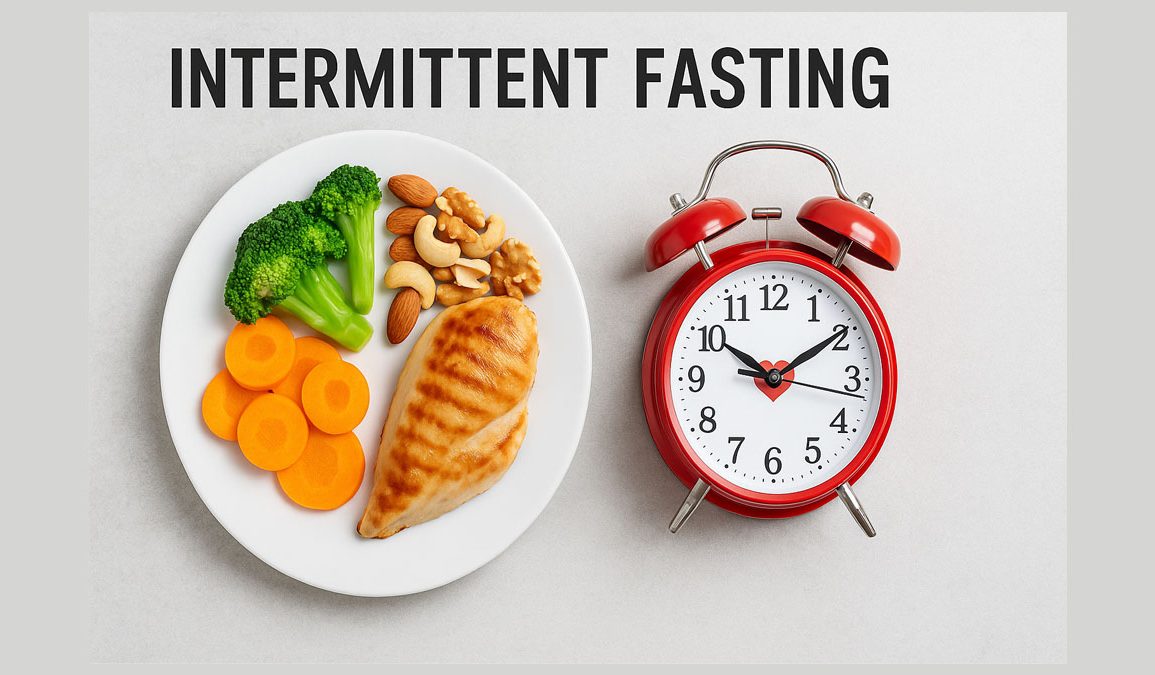
At its core, intermittent fasting is a time-restricted diet. The most common method involves eating all meals within an eight-hour window and abstaining from food for the remaining sixteen hours. Others prefer variations like the 5:2 diet, where calories are restricted on two days of the week. The practice is rooted in the idea that extending the time between meals can improve metabolism, trigger cellular repair processes, and possibly lengthen life expectancy.
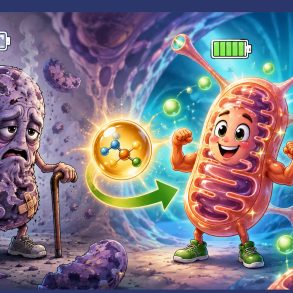
Supporters of IF point to several advantages documented in clinical studies. Fasting may help with weight loss, improve insulin sensitivity, lower blood pressure, and enhance cholesterol levels. Some studies also suggest benefits related to autophagy, the process by which the body recycles damaged cellular components, which could support longevity and possibly reduce cancer risks. Many find IF attractive because it avoids the complexities of calorie counting and aligns with cultural or religious fasting traditions.
The new study raising concerns
The latest large-scale research, led by Prof. Victor Wenze Zhong at Shanghai Jiao Tong University School of Medicine and published in Diabetes & Metabolic Syndrome: Clinical Research and Reviews, challenges the idea that intermittent fasting is risk-free. Tracking nearly 20,000 American adults for over eight years, researchers discovered that those who ate within an eight-hour window had a 135% higher risk of dying from cardiovascular disease compared to people who spread their meals over 12 to 14 hours.
Importantly, the study did not find a consistent link between fasting and overall deaths from all causes. But the elevated cardiovascular risk was clear, especially among smokers, people with diabetes, and those with existing heart disease. This suggests that for certain groups, IF may pose hidden dangers.
Previous short-term studies suggested IF could improve metabolic and heart health. The new findings complicate that narrative, showing that the benefits observed in weeks or months may not hold over years. As Prof. Zhong explained, “The unexpected finding is that sticking to a short eating window less than eight hours over years was linked to increased death risk from cardiovascular disease.”
Using intermittent fasting correctly
Experts emphasize that fasting should not be approached casually. Nutritionists recommend focusing on the quality of food consumed during eating windows, not just the timing. Avoiding late-night snacking is critical, since even small bites extend the body’s “fed state” and may prevent reaching ketosis, the metabolic shift thought to drive many of fasting’s benefits. Staying hydrated, easing into fasting gradually, and maintaining balanced meals can also reduce side effects such as headaches, irritability, or nutrient deficiencies.
The new research highlights that intermittent fasting may not be suitable for everyone. People with diabetes, cardiovascular disease, or frailty should be especially careful. Without monitoring, fasting can cause dangerous drops in blood sugar, muscle loss, or malnutrition. Even for healthy individuals, excessive hunger may lead to overeating unhealthy foods once the eating window opens.
The latest study does not mean IF should be abandoned. Instead, it points to the need for a personalized approach. As Prof. Zhong noted, “Focusing on what people eat appears to be more important than focusing on the time when they eat.” Until more long-term evidence emerges, it may be safest to moderate fasting windows, pair them with nutritious meals, and consult healthcare professionals before committing to extreme schedules.
Intermittent fasting still holds promise as a tool for weight management and metabolic health, but it is no magic bullet. For now, the wisest path may be to view it as one option among many, rather than the secret key to a longer life.
HNZ Editor: I’m getting bad vibes from this report, it contradicts a large body of contradicting infromation. Prof. Zhong’s statement that when you eat is not important leads me to believe that he hasn’t read any of the previous reports.
Keep in mind that health studies frequently contradict each other and news ones are out all of the time. They are not all of the same quality and even the smartest researchers can come up with the wrong conclusions on occasion.