


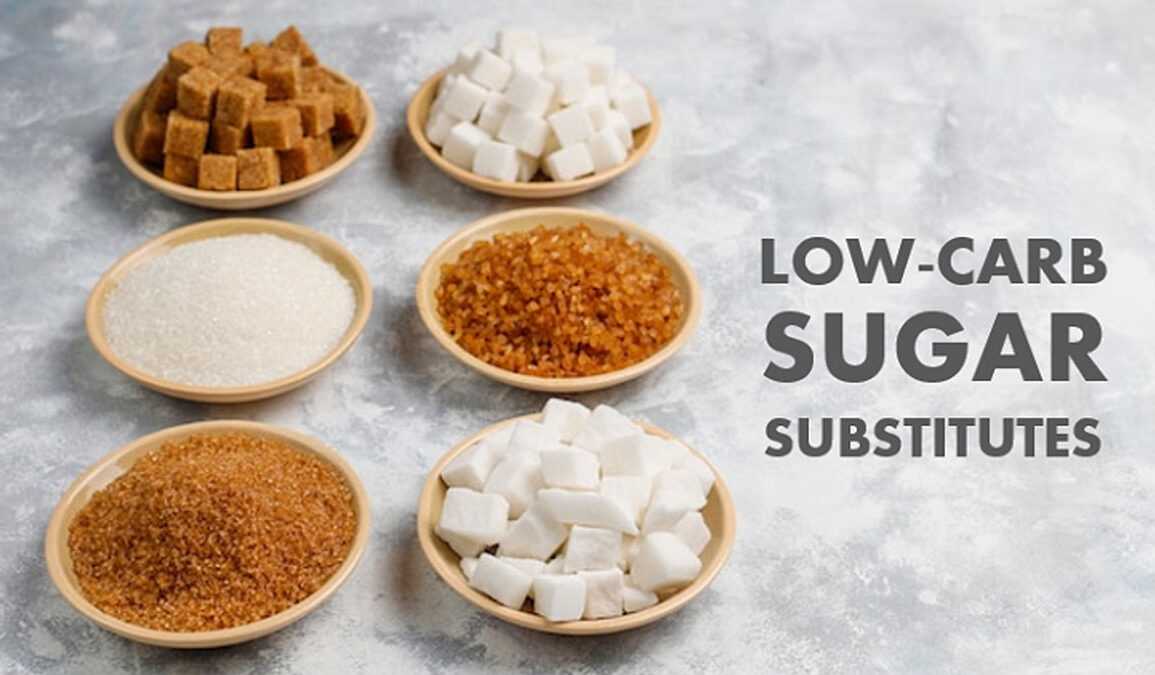
Researchers from the University of São Paulo in Brazil, working within the ELSA-Brasil cohort, analyzed 12,772 adults whose average age was 52. Their work was published in Neurology, the medical journal of the American Academy of Neurology. The team, which includes senior author Claudia Kimie Suemoto, MD, PhD, followed participants for about eight years across three study waves. Diet was captured with a food-frequency questionnaire, and cognition was measured with tests of verbal fluency, working memory, word recall, language, and processing speed.
What the researchers found
People who consumed the most low- and no-calorie sweeteners had faster declines in overall thinking and memory than those who consumed the least. The highest-intake group averaged 191 mg per day and showed a 62 percent faster decline, roughly equivalent to about 1.6 extra years of cognitive aging. Even the middle-intake group declined 35 percent faster than the lowest group, about 1.3 years of extra aging.
The association was strongest for people younger than 60 and for those with diabetes. When researchers examined individual sweeteners, higher intake of aspartame, saccharin, acesulfame-K, erythritol, xylitol, and sorbitol tracked with faster global cognitive decline, especially in memory and verbal fluency. Tagatose showed no link to decline. The study did not track sucralose. These sweeteners commonly appear in flavored waters, diet sodas, energy drinks, yogurts, low-calorie desserts, and as tabletop packets.
Correlation versus cause and effect
This was an observational study. That means it can show a link but cannot prove that sweeteners cause cognitive decline. As Dr. Kamal Wagle noted, “this study shows a link, not a cause.” Self-reported diet can be imperfect, people may change their habits over time, and other health behaviors can travel with sweetener use. The authors adjusted for factors like age, sex, high blood pressure, and cardiovascular disease, yet residual confounding can still remain. Researchers also pointed out that not all sweeteners were included and that attrition over time can introduce selection bias.
The statistical effect size was translated into an aging equivalent to make it easier to understand. Dr. Suemoto explained that a 62 percent faster decline in the highest-intake group corresponds to about 1.6 years of additional brain aging over the follow-up period. She said, “It does not mean someone instantly feels older, but rather that their brain function may be aging at a faster pace.”
Dr. Suemoto said, “Low- and no-calorie sweeteners are often seen as a healthy alternative to sugar, however our findings suggest certain sweeteners may have negative effects on brain health over time.” She added, “While our study cannot prove causation, this magnitude of association raises concern that frequent sweetener consumption is not a harmless habit.”
Medical News Today quoted Dr. Suemoto on why midlife exposure matters: the association “was only significant among participants younger than 60 years old,” suggesting that midlife diet could shape brain health later on. Dr. Wagle called the study “noteworthy” and “thought-provoking,” while stressing that other lifestyle factors could explain some of the link. HealthDay and U.S. News summarized the main findings and noted that researchers speculated about possible biological pathways, such as breakdown products that might be toxic to the brain or promote inflammation, while emphasizing that causation was not shown.
What was studied and how intake compared
Participants were grouped by total sweetener intake. The lowest group consumed about 20 mg per day. The highest group consumed about 191 mg per day. Sorbitol was the most consumed individual sweetener on average at 64 mg per day. The seven sweeteners assessed were aspartame, saccharin, acesulfame-K, erythritol, xylitol, sorbitol, and tagatose. Only tagatose showed no association with decline in this analysis.
Observational designs are powerful for spotting patterns in large populations, but they cannot isolate cause and effect on their own. People who choose diet products may already differ in health status, weight, sleep, stress, medications, or overall diet quality. Food-frequency questionnaires can miss details about brands and formulations. Some sweeteners, including sucralose, were not measured in this study. All of this means that more work is needed before firm dietary guidance can be made from these results alone.
The lead author suggested a cautious approach: “Our study suggests that high consumption of artificial sweeteners may be linked to faster cognitive decline. While more research is needed before making firm recommendations, it would be reasonable for people to reduce their intake as much as possible, ideally avoiding these products altogether.” The team also called for studies that test whether other refined sugar alternatives such as applesauce, honey, maple syrup, or coconut sugar might be effective options. Those ideas need testing, not adoption by default.
Why extra research is needed
Researchers recommend confirmatory studies in other populations and age groups, careful tracking of specific sweeteners and doses, and trials that can probe mechanisms. Better exposure measurement, repeated diet assessments, and longer follow-up would help. Mechanistic studies could examine how these compounds are metabolized, whether they affect inflammation, and how they interact with diabetes and midlife brain health. Only that next wave of evidence can move the conversation from correlation toward cause and effect.
HNZ Editor: This is the beginning of a point to suspected correlation to possible cognitive decline. Remember that the next study may find something different. This is something to track but not to worry about. Stay tuned, we will publish any updates that arise.