

Major Problems That Affect the Lungs
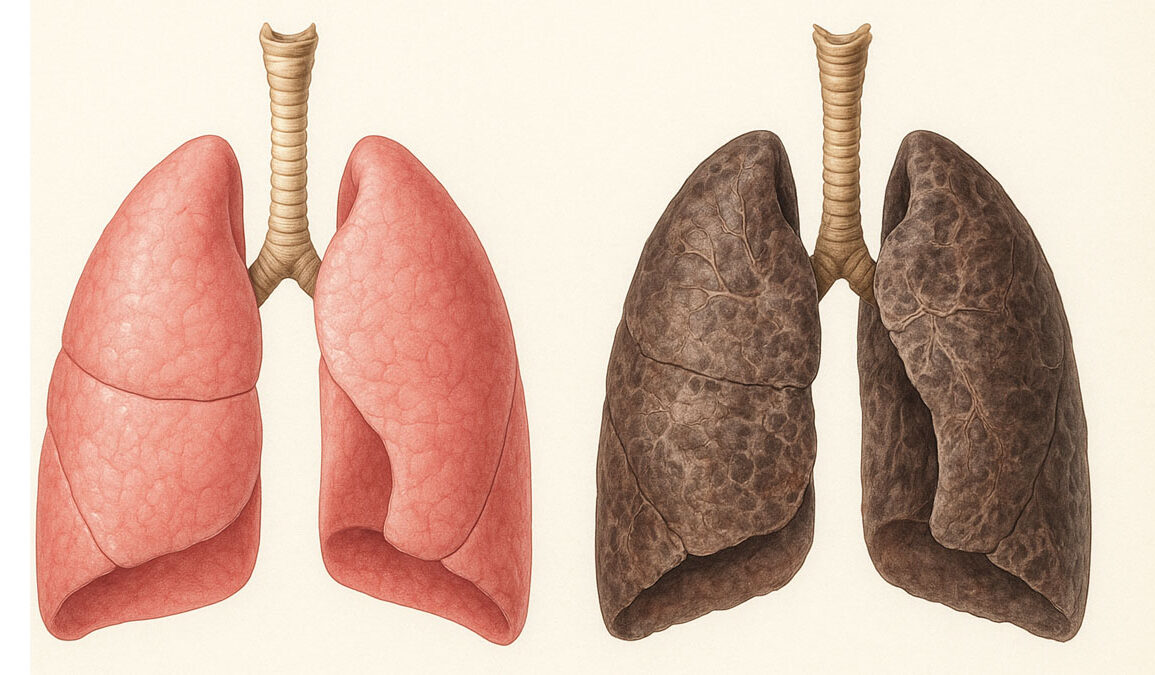
Our lungs are the engines of life, but they are also vulnerable to a wide range of diseases and conditions. Chronic obstructive pulmonary disease (COPD), asthma, pulmonary fibrosis, lung cancer, and emphysema are among the most common. Tobacco use remains the leading cause of preventable lung disease, but air pollution, obesity, and genetic disorders like cystic fibrosis also contribute. Even indoor hazards such as radon gas and secondhand smoke play a major role in lung problems.
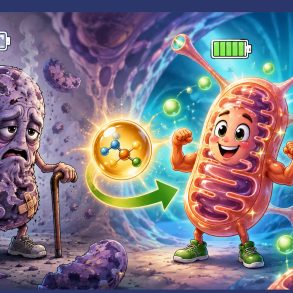
Beyond these well-known illnesses, new threats have emerged. COVID-19 and influenza can cause long-term damage to the lungs by attacking the immune system’s ability to repair tissue. Researchers now know that viral infections can cripple specialized immune cell structures called peroxisomes, leading to stubborn inflammation and scarring that makes breathing harder over time.
Warning Signs of Lung Disease
Lung disease often begins quietly. A chronic cough lasting longer than eight weeks is one of the most important red flags. Shortness of breath that appears without much effort, or doesn’t go away after exercise, should also be taken seriously. Persistent mucus production, wheezing, chest pain that worsens when breathing deeply, or coughing up blood are all signs that something may be wrong with your lungs.
Doctors also look for lung nodules, small growths that may appear inside the lungs. While many nodules are harmless, they can also signal the early stages of serious disease, which is why early detection is critical.
New Breakthroughs in Treatment
Science is beginning to uncover new ways to repair and even prevent chronic lung problems. At the University of Virginia, researchers led by Dr. Jie Sun discovered that damaged peroxisomes inside immune cells are key to why some patients struggle to recover after COVID-19 or the flu. Their team found that an existing FDA-approved drug, sodium phenylbutyrate, could help restore these organelles and improve the lungs’ ability to heal. Sun said, “COVID-19 can leave the lungs unable to heal properly by damaging these tiny structures inside our cells. Our discovery not only explains why some people continue to have breathing problems long after their illness but also points us toward a potential treatment.”
Meanwhile, an international team headed by Professor Newman Sze at Brock University has identified a specific antibody that removes age-damaged proteins in the lungs. This treatment goes beyond symptom management. By clearing away harmful molecules that accumulate with age, the therapy could potentially cure diseases like pulmonary fibrosis. “The antibody we identified is treating the root cause of the disease, so this would be a cure instead of just making the patient feel better,” Sze explained.
In addition to targeted drugs and antibodies, new diagnostics are being developed. Northwestern Medicine researchers, led by Dr. Ravi Kalhan, have created a blood test that predicts who is most at risk of developing severe lung disease. By analyzing protein levels in the blood, doctors may be able to intervene before COPD or related illnesses progress to dangerous stages.
The Role of Nutrition in Lung Health
Diet is emerging as another important factor in lung health. Studies show that plant-centered diets rich in fruits, vegetables, whole grains, and nuts lower the odds of emphysema, asthma symptoms, and obstructive sleep apnea. Mariah Jackson, a nutrition scientist at the University of Nebraska Medical Center, noted, “Growing research is showing that diet, especially nutrient-rich plant-based diets, have positive impacts on long-term lung health.”
A Mediterranean-style diet, high in fresh produce, beans, fish, and lean proteins, has been linked to better control of chronic conditions. Dietitians like Kathleen Garcia-Benson emphasize that even frozen and canned fruits and vegetables can provide benefits and should not be overlooked. Tailored nutrition plans are especially critical for people with cystic fibrosis, interstitial lung disease, or obesity, since weight management directly affects lung capacity and inflammation.
How to Know if You Have a Lung Problem
Because early symptoms can be subtle, it is important to listen to your body. Do not dismiss a cough, wheeze, or shortness of breath as just part of getting older. If symptoms persist for weeks or worsen, it is time to consult a healthcare provider. Regular screenings, especially for those with a history of smoking or exposure to air pollution, can catch disease earlier. New blood tests, imaging scans, and pulmonary function tests are improving the chances of diagnosis before conditions become life-threatening.
If you think you may have a lung problem, the first step is to see a healthcare provider promptly. Preparing for the appointment can make a big difference. Bring a list of symptoms and when they started, a record of medications you use, and a summary of your medical history. Vaccinations against influenza and pneumonia, quitting smoking, maintaining a healthy weight, and following dietary advice are all proven ways to lower risks.
Albert Rizzo of the American Lung Association reminds us, “Health begins where we live, learn, work and play, and it’s important to ensure that safeguards are in place to protect us and prevent disease.” Prevention and early detection are key. By paying attention to warning signs and embracing advances in treatment and nutrition, more people can protect their lungs and preserve their quality of life.