
A Growing Threat
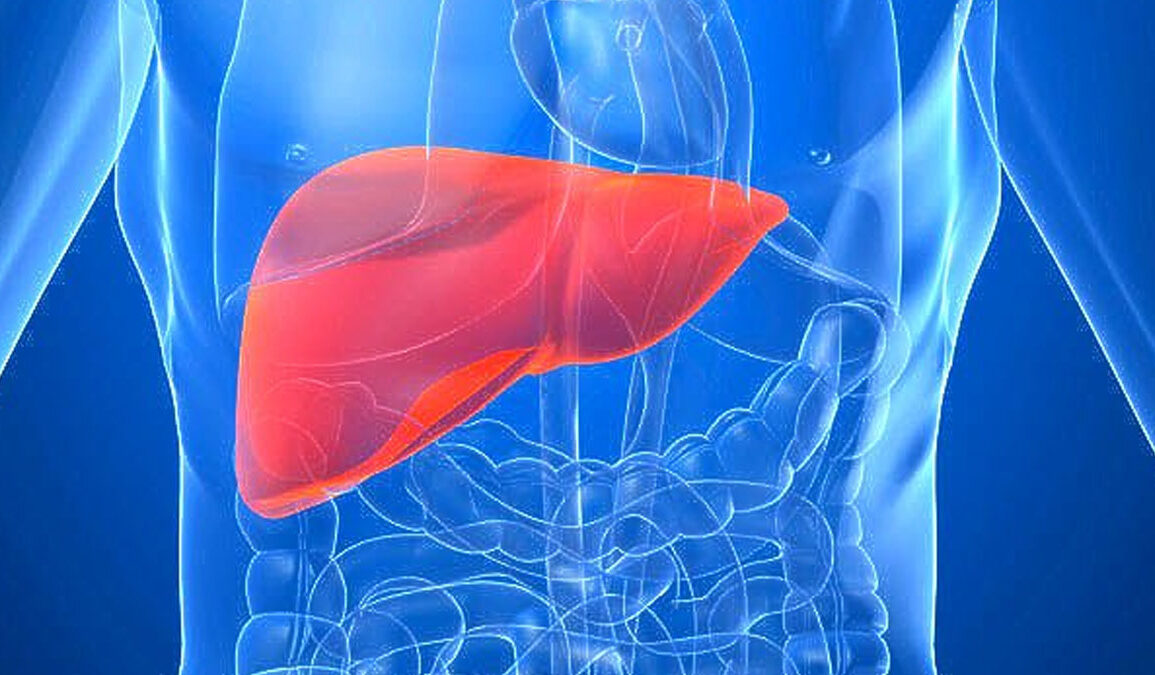
Liver cancer is rising faster than almost any other form of cancer. Today, about 870,000 people worldwide live with the disease, and researchers warn that the number could nearly double by 2050. According to the Global Liver Institute, hepatocellular carcinoma – the most common type – has become the third leading cause of cancer deaths. Despite available surveillance guidelines, fewer than 25 percent of people with cirrhosis receive the recommended screening.
Experts link this alarming rise to lifestyle changes over the past half-century: fast food, sugary drinks, obesity, alcohol consumption, and sedentary habits. Chronic infections such as hepatitis B and C add to the risk, especially in places where vaccination or treatment is still limited.
The Researcher Behind the 60 Percent Figure
Dr. Hashem El-Serag, from the Baylor College of Medicine and one of the lead authors of the Lancet Commission on Liver Cancer, says the good news is that roughly three out of five liver cancer cases – about 60 percent – are preventable. In an interview with NPR’s All Things Considered, he explained that simple lifestyle choices can dramatically reduce risk: “The best way to protect yourself is to get a hepatitis vaccine, control your weight, or drink less alcohol.”
Why Prevention Matters
Unlike many cancers, liver cancer is often discovered too late for curative treatment. Transplants and partial liver resections can sometimes save lives, but only a minority of patients qualify because most already have severe scarring, or cirrhosis, by the time of diagnosis. “Prevention is the most viable and feasible way of reducing this deadly cancer,” Dr. El-Serag said.
Why Liver Cancer Rates Are Rising
Dr. El-Serag points to a global epidemic of Metabolic Dysfunction-Associated Steatotic Liver Disease (MASLD)—also called fatty liver disease. Affecting up to 30 percent of adults in the United States, it is tightly linked to obesity, diabetes, and poor diets. When fatty liver worsens, it causes inflammation and scarring that can eventually lead to cirrhosis and cancer.
Meanwhile, alcohol use has surged in many regions, particularly North America, Western Europe, and Australia. Although hepatitis infections are declining due to vaccination and treatment, obesity and alcohol are filling the gap as new drivers of liver disease.
Five Key Ways to Reduce Liver Cancer Risk
1. Reduce Alcohol Consumption
According to Aleksandra Olsen of the World Health Organization’s Regional Office for Europe, alcohol remains “the single biggest risk factor for liver cancer.” Alcohol and its toxic byproduct acetaldehyde cause oxidative stress—an internal rusting process that damages DNA and prevents cells from repairing themselves. Over time, this damage leads to cirrhosis, where most alcohol-related liver cancers begin.
Even moderate drinking can make the body more vulnerable to other carcinogens such as tobacco and can disrupt gene regulation processes. Cutting back can make a measurable difference. Health experts recommend setting weekly limits, scheduling alcohol-free days, drinking water before or during alcohol use, and finding healthier substitutes for social drinking.
2. Get Vaccinated for Hepatitis
The hepatitis B vaccine is one of the most powerful cancer-prevention tools ever created. Chronic hepatitis B or C infections are major causes of liver cancer because they damage liver cells over time and trigger the immune system to attack healthy tissue.
Modern antiviral drugs can cure hepatitis C within 12 weeks, and medications for hepatitis B can suppress the virus to reduce long-term damage. Vaccination and early treatment together can eliminate one of the leading causes of liver cancer.
3. Maintain a Healthy Weight
Dr. El-Serag emphasizes that “weight control is essential because fatty liver disease is tightly linked to overweight, obesity, and diabetes.” Fatty liver disease often starts silently but progresses in up to 30 percent of cases to cirrhosis and cancer. Weight management through a balanced diet, physical activity, and, where appropriate, medical therapies can reverse this process.
Newer weight-loss medications such as Ozempic have shown promise not only in controlling obesity but also in reducing liver fat, inflammation, and scarring—potentially cutting cancer risk dramatically.
4. Adopt a Liver-Friendly Diet
The Mediterranean diet—rich in fruits, vegetables, olive oil, nuts, and fish—protects the liver by reducing inflammation and oxidative stress. Avoiding high-fructose corn syrup and processed foods helps prevent fat buildup in the liver.
Omega-3 fats from salmon, sardines, walnuts, or flaxseed can help the liver burn fat instead of storing it. Supplements such as vitamin E, silymarin (from milk thistle), and curcumin (from turmeric) may also support liver health by lowering enzyme levels, reducing inflammation, and protecting cells from damage.
5. Screening and Early Detection
Larry R. Holden, CEO of the Global Liver Institute, stresses that early detection saves lives. Many people at risk—those with cirrhosis, obesity, diabetes, or heavy alcohol use—do not get screened. The institute’s #OctoberIs4Livers campaign promotes public education, early detection, and survivorship support around the world.
New non-invasive tools and biomarkers are making it easier to catch liver changes before cancer develops. Regular ultrasounds and blood tests can detect problems early, when they are still treatable.
The Human Cost—and the Hope Ahead
If current trends continue, liver cancer deaths could climb sharply by mid-century. Yet the Lancet Commission estimates that prevention could reduce new cases by 2 to 5 percent each year through 2050, saving between 8 million and 15 million lives.
Sarah Manes of the Global Liver Institute calls for cooperation across fields: “Liver cancer cannot be seen as just treating the disease itself. Working across disease states and bringing together healthcare teams, policymakers, and patients will help reduce incidence and improve outcomes.”
A Preventable Future
The science is clear: lifestyle choices, vaccination, and screening can prevent most liver cancers. As Dr. El-Serag concludes, “Prevention isn’t a single action—it’s a combination of choices that protect your liver every day.”
If the world embraces those choices, liver cancer could shift from a deadly epidemic to a largely avoidable disease within a generation.