


What is Rapalink-1?
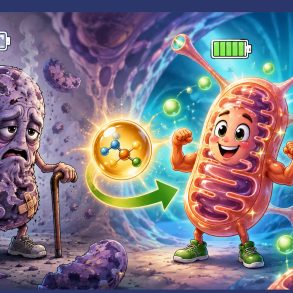
Rapalink-1 is a lab-made medicine designed to slow the cellular processes that drive aging. It is inspired by rapamycin, a well-known drug that can extend lifespan in lab studies. Rapalink-1 combines the way rapamycin works with another approach, creating a focused way to turn down a key growth switch inside cells. While Rapalink-1 works by directly slowing the cell’s growth pathway, researchers discovered it also influences a second, unexpected system involving a gut-derived molecule called agmatine, revealing a deeper metabolic link between nutrient processing and longevity.
How is it related to rapamycin, the known anti-aging supplement?
Rapamycin helped scientists discover a major pathway that controls how cells grow and use energy. Rapalink-1 builds on that success. In head-to-head tests in fission yeast, a standard aging model, Rapalink-1 extended lifespan to a similar degree as rapamycin and showed a strong focus on the part of the pathway most tied to growth and wear-and-tear.
Researchers at Queen Mary University of London tested Rapalink-1 in fission yeast and mapped how it changes cell behavior and gene activity. As cellular biologist Charalampos Rallis explains, “By showing that agmatinases are essential for healthy aging, we’ve uncovered a new layer of metabolic control over TOR – one that may be conserved in humans.” He adds, “Because agmatine is produced by diet and gut microbes, this work may help explain how nutrition and the microbiome influence aging.”
Why call it a new class of drug?
Rapalink-1 is part of a new “bi-steric” class. Instead of flipping one switch, it uses two coordinated grips to dial down the same growth pathway with more precision. The aim is to keep the benefits of rapamycin while sharpening the focus on the cell-growth hub most relevant to longevity.
What did the study find?
In yeast cells, Rapalink-1:
- Shifted cells into a lower-growth, maintenance mode that is linked with longer life
- Extended lifespan in a pattern similar to rapamycin
- Triggered changes in genes that manage cell cleanup and nutrient use
A standout finding was the boost in enzymes called agmatinases. These enzymes process agmatine, a compound that our gut microbes and diet can provide. The study shows that turning up agmatinases helps keep the growth pathway dialed down, which supports longer cell survival.
How does it compare to rapamycin?
Both Rapalink-1 and rapamycin slowed growth signals and extended yeast lifespan. Rapalink-1 appeared to act with a focused profile on the growth-control arm of the pathway and drove broader gene changes tied to cell maintenance and recycling. In plain terms, it delivered rapamycin-like benefits while highlighting a new connection to agmatine metabolism.
If similar effects hold in human cells, drugs like Rapalink-1 could help:
- Maintain cells in a repair-friendly state for longer
- Lower age-related wear that raises risk for conditions such as cognitive decline and joint problems
- Work alongside nutrition and microbiome strategies, since agmatine links food, gut bacteria, and cell aging
Rapalink-1 is already being explored for cancer and transplant care, so safety and dosing information from those areas could inform future aging studies.
This work points to two levers for healthy aging: gently quiet the growth pathway and support the agmatine-to-agmatinase loop that keeps it quiet. Because this pathway is conserved across species, the yeast results provide a clear roadmap. The promise is real, but this is early-stage science, not a ready-to-take longevity pill.
Important caution for supplement users
Agmatine is sold as a supplement, but the researchers urge care. Rallis notes, “We should be cautious about consuming agmatine for growth or longevity purposes.” Benefits seem to depend on whether certain amino-acid pathways are working properly, and agmatine “does not always promote beneficial effects as it can contribute to certain pathologies.” The takeaway is to avoid self-experimenting and wait for human data.
Where is this headed?
- Next-gen longevity drugs that more precisely dial down the cell-growth switch
- Diet and microbiome research to see how agmatine and related nutrients interact with these drugs
- A wider search for genes and metabolites that help cells stay in maintenance mode without harming normal function
Rapalink-1 is a smarter, more targeted evolution of rapamycin. In yeast, it extends lifespan and uncovers a new link between a gut-derived compound and the body’s main growth pathway. The findings are early but promising, suggesting a future anti-aging approach that blends precise medicines with nutrition-aware strategies.