

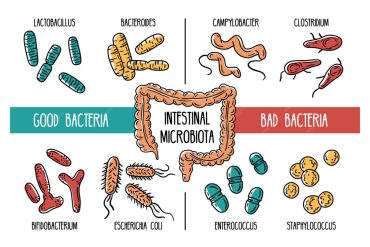
It sounds strange, but a growing body of research points to a simple idea: what happens in your gut does not stay in your gut. Inside your digestive tract lives a huge community of microscopic organisms called the gut microbiome. Many of these microbes help keep you healthy, but imbalances can send signals that reach the brain and may affect how you feel, how you handle stress, and even how well you remember things.
Dr. Gary Small, director of behavioral health breakthrough therapies at Hackensack Meridian Health in New Jersey, summed it up for Newsmax plainly: some gut microbes are helpful, some are not, and the mix can influence the brain through inflammation and brain chemicals tied to thinking and feeling.
The premise: your gut and brain are in constant conversation
Scientists often describe the connection as the gut brain axis, a two way communication system linking the gut to the central nervous system through hormones, neurotransmitters, and immune signals.
Hariom Yadav, PhD, director of the USF Center for Microbiome Research, explains the idea like this: when the gut is balanced, it tends to send supportive signals. When it is disturbed by stress, poor diet, or antibiotics, it can send stress signals that may impair mood or memory.
Researchers and clinicians highlighted several main pathways that can connect gut microbes to the brain.
Mechanism 1: inflammation, leaky gut, and immune signals that reach the brain
One major link is inflammation.
Dr. Small warned that certain bacteria can leak out of the gut, enter the bloodstream, and reach the brain, worsening inflammation. He connected heightened inflammation to depression symptoms and memory problems.
A separate explanation comes from Barbara Bendlin, PhD, a professor of medicine at UW Madison. She described how inflammation can increase gut permeability, which can drive immune activation, including activation of immune cells in the brain. Over time, persistent activation may harm the brain and could worsen Alzheimer’s disease.
A 2025 review on gut microbiota and mental health also describes how dysbiosis can increase intestinal permeability, allowing bacterial components such as endotoxins to enter the bloodstream and trigger systemic inflammation. That inflammatory cascade can affect the brain, including by activating microglia, the brain’s immune cells, which can disrupt synaptic plasticity, a key process for learning and memory.
Mechanism 2: neurotransmitters and chemical messengers that influence how you feel and think
Another direct path is chemistry.
Dr. Small said researchers have found gut bacteria can produce neurotransmitters, brain chemicals that influence mood and cognition. He called it remarkable that these messengers can alter how we think and how we feel.
Verywell Health reported that the gut produces about 90% of the body’s serotonin, a mood related chemical involved in regulating memory, sleep, and stress. Even when the neurotransmitters made in the gut do not directly cross into the brain, microbes can still influence brain chemistry by changing precursors, signaling through nerves, and shaping inflammation that affects neurotransmitter systems.
The 2025 review also describes microbial roles in neurotransmitter related systems including serotonin, dopamine, GABA, norepinephrine, and histamine, plus metabolites like short chain fatty acids that can cross the blood brain barrier and influence immune function and gene activity.
Mechanism 3: the vagus nerve as a fast communication line
The vagus nerve is a key physical connection between gut and brain. It helps regulate stress, mood, breathing, digestion, and more. Verywell Health notes that molecules produced by gut bacteria can travel through the blood or signal the brain via the vagus nerve. The 2025 review similarly highlights vagus signaling as part of the gut brain axis, including its role in modulating inflammation.
Mechanism 4: harmful byproducts and amyloid like proteins
Dr. Small also warned that some microbes may produce amyloid like proteins that can be harmful to the brain. Researchers are actively exploring how these and other microbial byproducts might fit into cognitive decline pathways.
What the research is claiming about mood and depression
Across the sources you provided, the consistent claim is not that gut health replaces mental health care, but that it can influence it.
- Dr. Small linked inflammation driven by unhealthy microbes to stronger depression symptoms.
- Verywell Health notes that gut imbalances and inflammation may contribute to depression and cognitive decline.
- A small 2023 study in the Journal of Psychiatry and Neuroscience reported that supporting a diverse microbiome with probiotic supplements helped improve memory and reduce depression symptoms in people with major depressive disorder.
- A Nature Outlook feature described early clinical work where fecal microbiota transplantation was tested in people with clinical depression who did not respond well to existing medication. One participant reported rapid improvement, though outcomes varied and researchers emphasized the need for large scale trials.
The Nature piece also highlights a key theme: animal studies show compelling evidence that gut microbes can influence mood related behaviors, but in humans, the best evidence so far often supports microbiome approaches as add ons to standard care rather than replacements.
How this could relate to memory and cognitive decline
Memory is where the mood story expands into brain aging.
Verywell Health says imbalances in gut bacteria could contribute to cognitive decline and may influence Alzheimer’s disease risk. Bendlin’s comments add a possible explanation: chronic immune activation and inflammation may harm the brain over time and could worsen Alzheimer’s disease.
Another angle comes from research asking whether gut microbes relate to thinking skills. A discussion of a small study in the journal Gut Pathogens reported an association between certain gut microbiome patterns and better performance on a test of fluid intelligence in young adults. Prof. Tim Spector of King’s College London called it a small study that needs replication, but said it points to the potential for diet to influence brains via microbes. Registered dietician Emily Leeming also emphasized excitement, while warning that cause and effect is not yet proven.
What experts recommend to improve gut health in ways that may support mood and memory
The advice in your materials is practical and overlaps strongly across clinicians and researchers.
Eat for your microbes: fiber, plants, and polyphenols
Dr. Small recommended a high fiber diet rich in fruits, vegetables, and whole grains to support beneficial bacteria.
He described certain high fiber foods as prebiotics, including onions and apples, because they nourish helpful microbes.
Verywell Health adds that polyphenol rich foods are part of the MIND diet, an anti inflammatory eating pattern shown to support brain health.
A simple “add these now” list from Dr. Small:
- green leafy vegetables
- colorful fruits
- healthy fats like olive oil and avocados
Add fermented foods and consider probiotics carefully
Dr. Small highlighted probiotics through fermented foods that contain live beneficial bacteria, including yogurt, kefir, and sauerkraut. Verywell Health also points to fermented foods like kimchi and yogurt.
The Nature Outlook feature notes that probiotics have shown positive outcomes in some small trials, especially as an add on alongside standard treatments. It also explains why big trials are still needed: the microbiome is complex, people differ, and it is hard to pin down which microbes do what.
Cut what disrupts the system: ultraprocessed foods, sugar, and unnecessary antibiotics
Both Dr. Small and Yadav emphasized limiting processed foods high in refined sugar. Yadav also warned that unnecessary antibiotics can disturb the gut, and that stress and poor diet can send harmful signals through the gut brain axis.
Verywell Health lists several contributors to dysbiosis, including certain medications, environmental toxins, infections, smoking, and stress.
Lifestyle habits that support both gut and brain
Dr. Small emphasized:
- stress management
- consistent sleep
- regular exercise
Yadav echoed that daily habits like regular physical activity, good sleep, and stress management are as important as diet because they all impact the microbiome. He also emphasized that gut health is a lifelong process that changes with age, lifestyle, and stress levels, but that people can actively shape it through habits.
What people are saying, and what they are not claiming yet
There is excitement, but also caution.
- Dr. Small argues the microbiome can influence mood and memory through inflammation and neurotransmitters, and that daily habits can shift the balance toward healthier microbes.
- Yadav frames gut care as part of mental and emotional well being, not just digestion.
- Bendlin is careful: she notes researchers do not have evidence that eating a certain diet or taking a probiotic can prevent Alzheimer’s disease pathology, even though gut inflammation is a promising target for future research.
- Spector and Leeming see potential links between microbes and cognition, but stress that small studies need replication and do not prove cause and effect.
- The Nature Outlook article highlights promising early results and strong animal evidence, but underscores that large scale human trials and mechanism studies are still needed to know which approaches work best, for whom, and why.
A realistic takeaway
The gut brain connection is no longer a fringe idea. Your sources describe real biological routes from gut microbes to the brain, especially through inflammation, immune signaling, neurotransmitter related pathways, and vagus nerve communication. The most consistent near term guidance is also the most basic: build a gut friendly diet heavy on fiber and plants, add fermented foods, limit ultraprocessed sugar heavy products, and protect your sleep, stress levels, and exercise routine. Those steps are not guaranteed cures for depression or memory loss, but they line up with what the experts you cited say can nudge the microbiome toward a healthier direction, and that may support how you feel and how well you think.