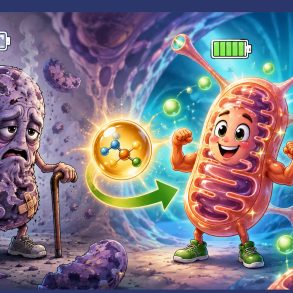



Scientists at Northwestern University believe they may have found a powerful new way to slow Alzheimer’s disease before it ever reaches the stage of memory loss. Their experimental drug, called NU-9, is showing remarkable results in animal studies and could change how doctors think about preventing this devastating condition.
The work is being led by neuroscientist William Klein and researcher Daniel Kranz from Northwestern University. Klein is a leading expert on Alzheimer’s disease, while Kranz recently completed his Ph.D. work studying how the brain changes before symptoms ever appear. Chemist Richard Silverman, famous for inventing the drug Lyrica, originally created NU-9 and has helped develop it for Alzheimer’s research.
Researchers focused on a harmful protein linked to Alzheimer’s called amyloid beta oligomers. These protein clusters can form early in the disease and quietly damage the brain long before memory problems begin. In their latest study, scientists discovered a particularly dangerous subtype called ACU193+, which appears very early, attaches to brain support cells called astrocytes, and triggers damaging inflammation.
What NU-9 Does in the Brain
NU-9 targets this toxic protein activity at the very start of the disease process. In mouse models, scientists gave NU-9 daily oral doses for 60 days before symptoms appeared. The results shocked researchers. Levels of dangerous amyloid beta oligomers dropped sharply. Inflammation decreased. Astrocytes stayed healthier instead of becoming reactive and destructive. Even other toxic brain proteins like abnormal TDP-43 were reduced. Klein said, “These results are stunning,” and explained that NU-9 powerfully reduced the early brain inflammation closely tied to Alzheimer’s development.
The key to this drug is timing. Researchers believe Alzheimer’s begins decades before a patient forgets a name or gets lost on a familiar street. Kranz explained that by the time symptoms appear, the brain has already suffered serious damage, which is why so many trials have failed. NU-9 aims to break that cycle by stepping in early, preventing the toxic chain reaction before it destroys neurons. Scientists say the drug works a bit like cholesterol medicine. If future blood tests show someone is at risk, they might take NU-9 early to prevent severe brain decline later.
Could This Help Humans?
So far, NU-9 has shown success in both lab-grown human brain cells and live animals. It has already received U.S. Food and Drug Administration clearance for human testing in ALS, another disease linked to toxic protein buildup. That adds confidence that NU-9 may be safe and useful in people. However, human Alzheimer’s trials will only come after more animal testing that better reflects aging and long-term disease development.
If NU-9 continues to succeed, it could become one of the first true preventative Alzheimer’s drugs. Instead of waiting for suffering, doctors could intervene early. The Northwestern team believes this strategy may finally explain why so many past Alzheimer’s drugs failed. They were simply used too late. The hope is simple but powerful: stop the disease before it destroys memories, independence, and identity.
Researchers involved in the study are extremely hopeful. Klein said NU-9 appears to “rescue the pathway that saves the cell.” Kranz called the newly discovered toxic subtype an early “instigator” of Alzheimer’s. Silverman compared NU-9 to heart disease prevention, explaining that finding the disease early and treating it might save millions of lives from decline and heartbreak. Scientists believe advancing early detection tools along with NU-9 could someday stop Alzheimer’s in its tracks.
NU-9 is still in testing, but the excitement is real. For families fearing a future of cognitive decline, this research offers something rare in the fight against Alzheimer’s disease: genuine hope.