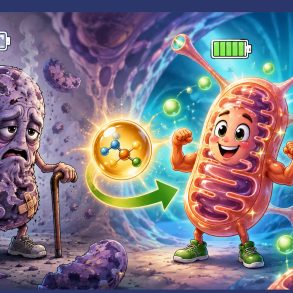



Scientists have spent years warning us away from sweets, but now a surprising twist has emerged. A growing body of research suggests that a natural compound in dark chocolate might actually help slow biological aging. Yes, the same treat people sneak at midnight or claim is “for the antioxidants” may have some real science behind it. Of course, we should also keep one eyebrow raised, because it is hard not to wonder whether the researchers simply love chocolate as much as the rest of us.
What Scientists Are Studying
The research comes from King’s College London and other collaborating institutions across Europe. The molecule at the center of this new excitement is called theobromine. It is a natural plant compound found mostly in cocoa and, to a smaller extent, in coffee. It is chemically similar to caffeine, although far gentler on the nervous system. Unlike caffeine, it does not rush into the brain as aggressively, which makes its stimulating effects milder.
Scientists measured blood levels of theobromine in nearly 1,700 adults from the United Kingdom and Germany. The results were published in the journal Aging. Participants with the highest levels of theobromine consistently appeared biologically younger than their real age based on some of the best biological aging tools available.
Chronological age is easy. It is simply how many birthdays you have had. Biological age is different. It reflects the actual condition of your cells, tissues, and organs. Two 60 year olds may not really be the same age on the inside. One may function like a fit 45 year old, while another may resemble an exhausted 80 year old body simply trying to keep up.
Scientists estimate biological age using tools such as DNA methylation clocks and telomere length. DNA methylation is a form of epigenetic regulation. As endocrinologist and geneticist Dr. Fady Hannah-Shmouni explains, DNA is like your hardware and epigenetics is like the software that tells cells what programs to run. Methyl tags can turn genes on or off, and this process changes as we age. Another aging marker is telomere length. Telomeres are protective caps on chromosomes. They shorten over time, and shorter telomeres are linked with poorer health and aging.
What The Study Found
In the study, people with the highest theobromine levels showed slower epigenetic aging according to GrimAge, one of the most advanced biological age clocks. They also tended to have longer telomeres, although that effect was weaker. Importantly, other chocolate and coffee compounds did not show the same connection. This points directly to theobromine as the likely key player.
Lead researcher Dr. Ramy Saad called the results exciting and promising. Senior author Professor Jordana Bell explained that while the study does not tell people to go buy giant chocolate bars, it does show how everyday foods may contain powerful biological clues to healthy aging.
Theobromine belongs to a group of plant chemicals called alkaloids. These substances can influence epigenetics, meaning they can help switch certain genes on or off. Since epigenetic disruption is considered a hallmark of aging, anything that helps stabilize these systems could potentially slow down cellular aging. Scientists already know that cocoa compounds, including flavanols, help improve blood flow, support heart health, reduce inflammation, and possibly influence metabolism. Theobromine may be another important part of that puzzle.
Does This Mean Eating Chocolate Makes You Younger?
Here is where reality crashes into fantasy. The study shows correlation, not proof. That means we cannot yet say that eating more dark chocolate directly slows aging. It could also be that people who age better metabolize theobromine differently. Or it could be that another cocoa compound works together with theobromine to create the effect.
Researchers say they now want randomized controlled trials, longer studies, and measurements of additional chocolate and coffee compounds to fully understand what is really going on.
Chocolate can be part of a healthy life, but only the right kind. Many chocolate products are packed with sugar, fat, and unnecessary additives. Nutrition expert Federica Amati reminds us that this is why chocolate develops such a bad reputation. Dark chocolate with higher cocoa content contains more theobromine and helpful nutrients such as iron, magnesium, copper, and manganese. However, portions still matter. Eating pounds of it will not make anyone immortal. It may only make your waistband tighter.
So… Is Chocolate Healthy Or Not?
From a sideways point of view, it is hard to ignore the thought that scientists may be secretly delighted to have a respectable scientific reason to eat chocolate. After all, “Sorry, this is for research” sounds much better than “I just needed a snack.” Still, even skeptics admit the findings are intriguing and worthy of serious study.
If the research holds up, dark chocolate may someday join exercise, good diet, and healthy sleep as part of the anti-aging conversation. Until then, you can enjoy it in moderation, feel slightly less guilty, and secretly thank the scientists who are bravely eating their way toward scientific truth.
Just do not tell your doctor that your longevity plan is powered by candy bars.