


A first human dose in Shanghai
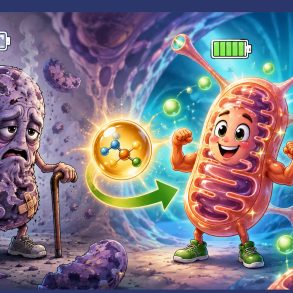
On December 29, 2025, a patient in Shanghai became the first person in the world to receive a new experimental drug that scientists believe could slow human aging. The drug is called 9MW3811, and it was developed by the Chinese biotech company Mabwell Bioscience. Google’s parent company Alphabet, through its longevity focused subsidiary Calico Life Sciences, is now helping turn this Chinese discovery into a global medicine.
Calico licensed the drug from Mabwell in June 2025 in a deal that includes $25 million paid up front and as much as $571 million more if development goals are met. That means Google is backing this single anti aging drug with more than $600 million in potential funding.
What is 9MW3811 and how it works
9MW3811 is a monoclonal antibody that blocks a protein called interleukin 11, or IL 11. IL 11 is part of the immune system and helps trigger inflammation. In younger people, it can help with healing. But after about age 55, IL 11 levels rise across most tissues in the body. High IL 11 has been linked to chronic inflammation, organ scarring, muscle loss, frailty, metabolic problems, and heart disease.
Scientists believe IL 11 is one of the drivers of aging itself. By blocking IL 11, 9MW3811 shuts down a chain of signals that includes AMPK and mTOR, which are the same pathways targeted by popular longevity drugs like metformin and rapamycin. The key difference is that 9MW3811 blocks the inflammatory signal upstream instead of directly suppressing the immune system.
Professor Stuart Cook, one of the leaders of the original research, said, “We have repeatedly shown a 1:1 relationship between IL 11 effects in mouse and human cells.”
The mouse study that changed everything
The excitement around 9MW3811 began in July 2024 when researchers from Duke NUS Medical School and Imperial College London published a landmark study in the journal Nature. They showed that blocking IL 11 in mice increased lifespan by 22 to 25 percent, one of the largest gains ever seen from a single treatment.
The mice also aged more slowly. They had fewer cancers, less frailty, better metabolism, lower body fat, and stronger muscles. The treatment worked in both males and females and still worked even when started late in life, at an age roughly equal to 55 years old in humans.
Dr. Richard Miller from the University of Michigan wrote that the findings “raise the tantalizing possibility that the drugs could have a similar effect in elderly humans.”
Why Google moved so fast
Calico did not wait long. Less than a year after the mouse study was published, it signed its deal with Mabwell. One big reason is that the drug was already in human testing.
Mabwell had completed Phase I safety trials in healthy volunteers in China and Australia. The drug showed a good safety profile and stayed in the body for more than a month, meaning one injection could block IL 11 for weeks at a time. Mabwell also secured an open Investigational New Drug application with the US Food and Drug Administration, which clears the way for American trials.
Under the agreement, Calico controls development and sales of 9MW3811 everywhere except Greater China.
Human trials have already begun
The first Phase II human trial began in Shanghai in late December 2025. This study is testing 9MW3811 in patients with pathological scarring. That may sound unrelated to aging, but it is not. IL 11 is a major driver of fibrosis, which is the abnormal scarring that builds up in organs like the lungs, heart, liver, kidneys, and skin as people age. Fibrotic diseases were linked to about 35 percent of global deaths in 2019.
If the drug reduces scarring safely, it could open the door to trials aimed directly at slowing or reversing age related damage.
No one knows yet how much 9MW3811 might extend human life. In mice, it added up to 25 percent to lifespan. If something similar happened in humans, that could mean decades of extra life. Researchers are cautious, but the fact that human cells respond to IL 11 in the same way as mouse cells gives scientists more confidence than usual.
When could this reach patients
The drug is still early in development. Phase II trials are underway in China, and more studies would be needed for other diseases and for aging itself. Even in the best case, it could take several years before a version of this drug is approved for broad use.
The deal has sent a strong message to the biotech world. When Google commits more than half a billion dollars to a single anti aging drug, it tells researchers and investors that this approach is being taken seriously.
Experts also point to the speed. It took just 18 months from the original mouse discovery to the first patient being dosed. That is far faster than what was possible a decade ago.
There are still risks. Long term safety is unknown, and many mouse breakthroughs have failed in humans. But with multiple companies also developing IL 11 drugs, scientists will soon learn whether this pathway really can slow aging in people.
For now, 9MW3811 stands as one of the most promising anti aging drugs ever tested, and it is being driven forward by a powerful alliance between Google’s Calico Labs and a rising Chinese biotech company.