


Treatment resistant depression is one of the hardest problems in medicine. These are patients who have already tried multiple antidepressants and still cannot climb out of the hole. A new study reports something that almost never shows up in this category: a group of patients who not only improved, but kept improving, and in some cases ended up essentially symptom free.
The approach is not a new pill. It is a surgically implanted device that sends small electrical pulses into a major nerve pathway connected to the brain.
The lead researcher was Dr. Charles Conway, director of the Treatment Resistant Mood Disorders Center at Washington University in St. Louis. The results were reported January 13 in the International Journal of Neuropsychopharmacology in a report from the RECOVER trial.
Conway did not try to hide his surprise. “We were shocked that 1 in 5 patients was effectively without depressive symptoms at the end of two years,” he said. He also called the durability of the benefit unusual for this level of illness, saying these results are “highly atypical” because most studies in markedly treatment resistant depression show poor long term sustainability.
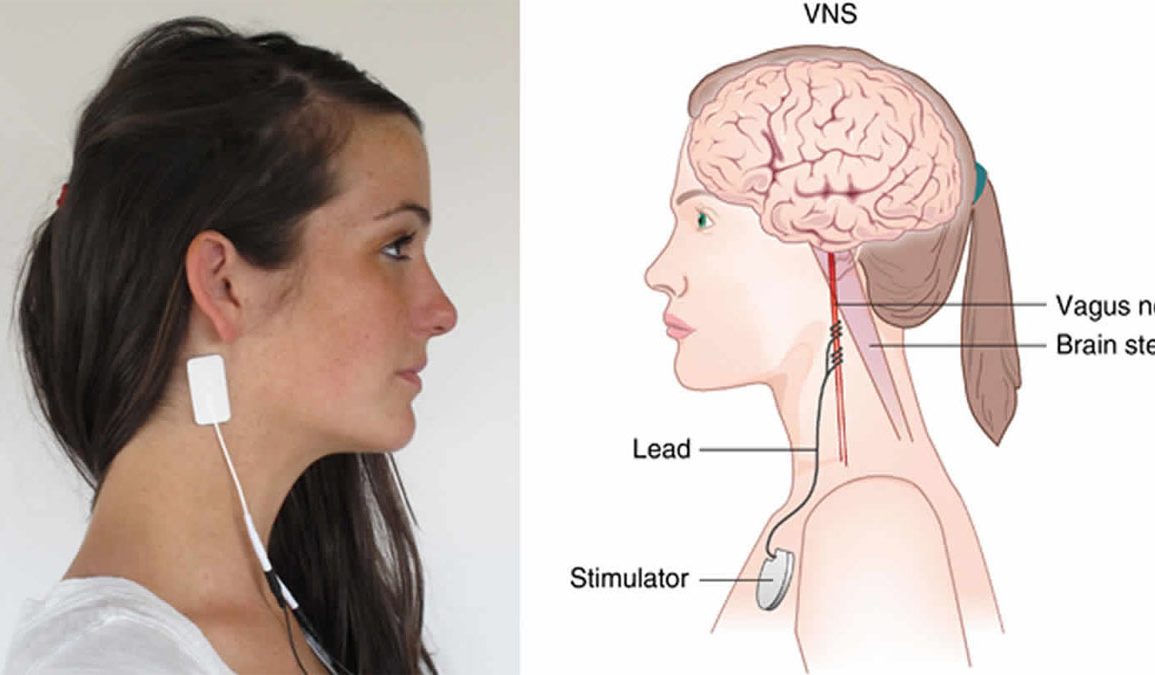
The treatment is called vagus nerve stimulation, often shortened to VNS.
In this study, patients received an implant placed under the skin in the chest. The implant sends carefully calibrated electrical pulses to the left vagus nerve. The vagus nerve is described as a major conduit between the brain and internal organs.
The implanted device used in the trial was called the VNS Therapy System. It is manufactured by U.K. based LivaNova USA Inc., which also funded the clinical trial.
This was not a mild depression group.
Researchers recruited nearly 500 depression patients at 84 sites across the United States. The patients had moderate to severe major depression that had not responded to treatment from four or more different antidepressant drugs. Researchers said three quarters were so ill they were unable to work.
Conway described how disabling this can be, saying even a 30% improvement can be life changing for someone whose severe depression has rendered them “paralyzed by life.”
What They Found: The Results in Plain English
The headline result was striking: more than 20% of all patients treated with the implant had essentially no symptoms of depression after two years.
The study also broke down response levels in a more detailed way.
During the first year, only about half of the devices were turned on immediately. That allowed researchers to compare patients receiving actual vagus nerve stimulation against those who were implanted but did not receive active stimulation right away.
Among the patients who had the implant turned on from the start, nearly 7 in 10, or 69%, had a meaningful response within a year. In this study, “meaningful response” was defined as at least a 30% reduction in depression symptoms.
Then the story got even more important: the benefit tended to last.
Of the people who had a meaningful response by one year, more than 80% maintained or increased benefits after two years across measures of depression, quality of life, and daily function.
For the subgroup that did especially well by the one year mark, the durability was even stronger. Among patients with a substantial response by one year, defined as 50% or greater symptom reduction, more than 9 out of 10, or 92%, were still doing better after two years.
Conway summed up what clinicians want to see but rarely do in this population: “We’re seeing people getting better and staying better.”
What “Durable Benefit” Means Here
A major point of this research was not just whether patients improved, but whether they relapsed after improvement.
In the journal report, the researchers described that benefits obtained after 12 months of adjunctive VNS were sustained in about 80% of participants who continued VNS. They also noted that the strong maintenance of benefit was not accounted for by changes in psychotropic medications or other interventional psychiatric modalities during the follow up period.
Another key detail from the report: benefit could continue to emerge in the second year. Among participants with no meaningful benefit at 12 months, a median of about 30.6% achieved meaningful benefit at 18 months and 37.8% at 24 months.
The study describes the vagus nerve as a major conduit between the brain and internal organs, and the therapy works by sending calibrated electrical pulses to that nerve.
Based on that basic setup, the core idea is straightforward: the implant repeatedly stimulates a major communication pathway that links the brain with body systems, and that stimulation appears to be associated with improvements in depression symptoms, daily function, and quality of life over time.
Is This Available for Everyone?
Not yet, at least not in a practical sense.
The information provided notes that the U.S. Food and Drug Administration has already approved vagus nerve stimulation to treat epilepsy and depression, according to the Cleveland Clinic.
But approval does not automatically mean broad access. Researchers said the therapy is currently too expensive for most people to afford. One goal of this study is for the U.S. Centers for Medicare and Medicaid Services to use the results to determine future coverage of the therapy. Researchers also said that if CMS covers the implant, many private insurers would likely follow suit.
In a patient group defined by repeated treatment failure, the idea that more than 20% could end up essentially without depressive symptoms at two years is a big deal. The second big deal is durability, because in severely treatment resistant depression, brief improvement followed by relapse is a common pattern.
This study describes something different: a meaningful number of people improved, many stayed better, and some who did not respond early still improved later. That is why Conway called the results unusual, and why he said they make him optimistic about the future of this treatment.