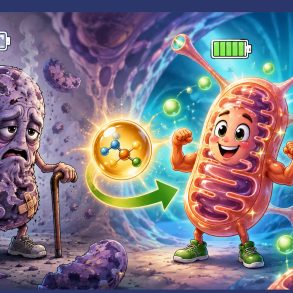


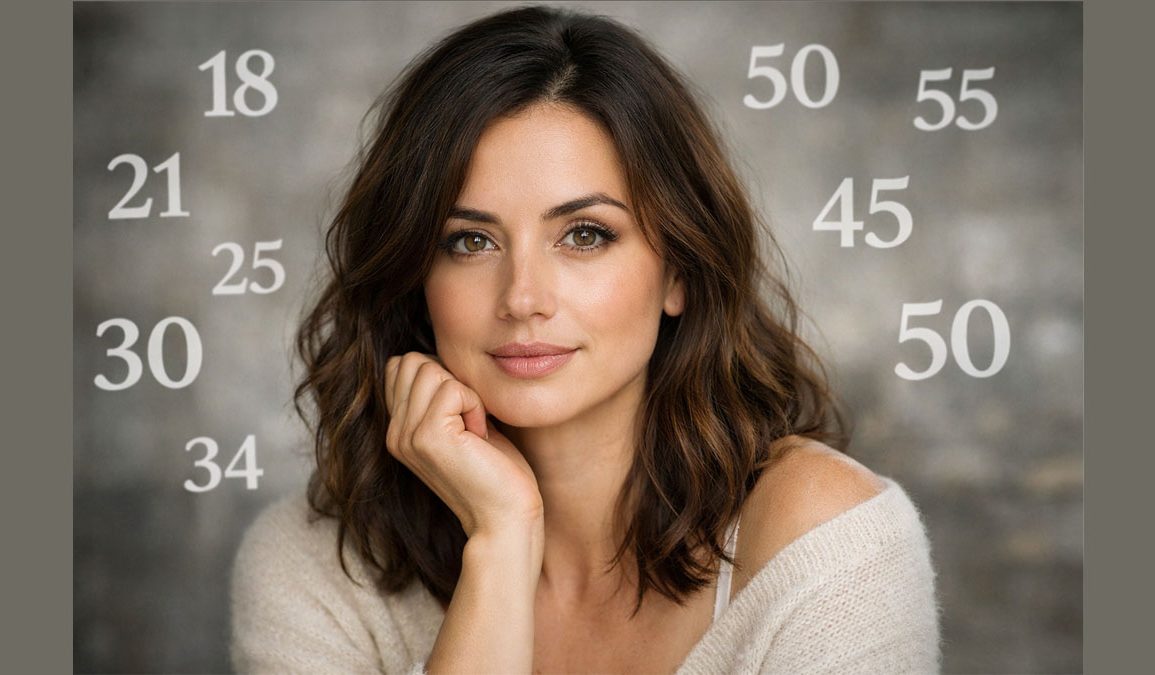
You already know your chronological age. It is the number of years since you were born. Biological age is different. It is an estimate of how old your body seems to be based on how well it is functioning. Two people can be the same age on paper and still have bodies aging at very different speeds.
That is why biological age has become so popular. People want to know if they are aging faster than they should, and whether they can do something about it.
Longevity research has become mainstream enough to show up on TV. In one widely discussed example, Khloé Kardashian opened a biological age result and learned that although she was chronologically 40, an epigenetic clock estimated her biological age at 28. Moments like that make biological age feel like a score you can chase, but the bigger value is using it as a wake up call and a tracking tool.
Biological Age Versus Chronological Age
Chronological age moves forward at a steady rate. Biological age can move faster or slower depending on genetics, lifestyle, and environment. Biological age is meant to reflect how your body is doing at the cellular and system level, including things tied to metabolism, organ function, and cellular health.
No single test captures everything. Some methods focus on real world function. Others focus on blood chemistry or changes in DNA regulation. The smartest approach is to understand what each method is measuring, then look for patterns rather than obsessing over one number.
Five Instant Ways To Estimate Your Biological Age
There are simple, fast ways to get a rough sense of how fast you are aging. They range from appearance to performance to basic sensory function.
Perceived Facial Age
How old you look can reflect how old you are biologically. A study of nearly 1,000 pairs of twins over age 70 had panels of assessors rate how old the twins looked. The twins rated older were more likely to die first.
The logic is that many of the mechanisms that age skin are also tied to aging elsewhere in the body. Collagen supports the structure of skin, but it is also vital to blood vessels and bones. Sagging skin can be a hint of weakening internal structure too.
This test works best when the judging is neutral. Most people are not objective about their own face, so a panel of neutral assessors is more reliable. Some apps claim to estimate facial age using AI, but the smart move is to think carefully about privacy before uploading selfies.
Cosmetic changes can also trick this test. Makeup, Botox, and fillers do not change the underlying biology of skin aging. Sun protection is more meaningful because UV exposure can damage collagen and DNA in the skin. Reducing UV exposure can reduce wrinkles and skin cancer risk in a way that keeps skin biologically healthier.
Standing On One Leg Age
Balance declines with age. One quick way to test it is how long you can stand on one leg.
Fold your arms, stand on your dominant leg, and start a timer. Stop if you uncross your arms, move your legs, rotate your foot to keep balance, or lose balance. Use the best of three attempts.
This test matters because balance requires multiple systems working together: sensors in the inner ear, muscle strength, and fast neuromuscular coordination. It also ties to serious outcomes. Falls are a leading cause of disability and death in older people. About a third of older adults who fall and break a hip die within 12 months, often because the fracture and long recovery strain the body and worsen other health issues.
The catch is that you can train this skill quickly. Improving balance is useful, but it does not mean every internal aging process has slowed.
Fitness Age And VO2 Max
Cardiovascular fitness is one of the strongest predictors of long term health. A popular measure is VO2 max, the maximum oxygen your body can use during intense exercise.
A true VO2 max test in a lab is brutal. You wear a mask that measures oxygen while running or cycling as the difficulty increases until you cannot continue.
The easier version is that many smartwatches estimate VO2 max from walks or runs. This measure matters because low VO2 max predicts worse outcomes. One study found that people in the lowest third for VO2 max were almost twice as likely to die as those in the top third.
VO2 max also declines with age. It can halve from about 42 ml per kg per minute for an average woman in her 20s to about 21 in an 80 something woman. Exercise is the lever that moves it. Research suggests a 65 year old who trains into the top 25 percent for their age group can have a VO2 max similar to an average person in their 30s.
Wearable estimates can be off by around 10 percent, which can look like a decade difference. The better strategy is to track the trend over time.
Another option is a fitness age calculator that uses chronological age, height, weight, resting heart rate, and an estimate of exercise level.
Hearing The High Notes Age
Hearing changes with age, especially at the high end. The upper limit drops over time mainly because sound sensing hair cells in the inner ear are gradually lost.
One simple rule of thumb is that if you cannot hear sounds above about 11,000 Hz, your hearing age is over 50.
Hearing loss can be socially isolating and physically risky. There is also evidence linking hearing loss to increased dementia risk, and catching it early and using hearing aids can reduce cognitive decline risk.
Online hearing age tests exist, but they are not very reliable because headphones are not calibrated, environments are not silent, and online audio compression can remove exactly the high frequencies being tested. A more serious approach is testing with an audiologist. If you want a practical screen, a hearing loss charity test can flag whether professional evaluation is worth it.
Blood Tests And Epigenetic Age
The most scientific sounding biological age methods use blood tests and measurements tied to DNA regulation.
One famous epigenetic clock, developed by Steve Horvath in 2013, measures DNA methylation, a type of chemical tag that influences which genes are turned on or off. Using machine learning, this clock could predict age within about four years from many tissue types.
When these clocks come back older or younger than your chronological age, it raises a big question: is it noise or meaning. Later research suggests the differences can matter, with older epigenetic age linked to higher disease and death risk.
Even so, consumer value can be limited right now because the core health advice is usually the same whether your number is flattering or not.
A more practical approach is using existing blood test results. One calculator, PhenoAge, uses nine common blood tests. If you already have these in your medical records, you can enter them into an online calculator to estimate biological age without buying a special kit.
How Scientific Biological Age Tests Work
Biological age tests generally fall into a few categories.
Blood Chemistry And Multi System Biomarkers
Some methods estimate age using routine blood markers tied to metabolism and organ function. Models like PhenoAge and the Klemera Doubal Method use panels of common blood and clinical markers including glucose, cholesterol, hormones, blood pressure, and inflammation markers like C reactive protein.
Organ Function And Organ Specific Aging
Different organs can age at different rates. Research has linked older liver age to higher risk of fatty liver disease, while cardiovascular age can better predict heart related complications.
Epigenetic Clocks
Epigenetic clocks use DNA methylation patterns that shift in predictable ways as people age. When methylation predicted age is higher than chronological age, it is called epigenetic age acceleration.
Telomere Length
Telomeres are structures at the ends of chromosomes that shorten with age and stress. Shorter telomeres are linked to higher mortality risk, especially from cancer and cardiovascular disease, and have been associated with coronary heart disease and Alzheimer’s disease.
Frailty And Functional Scales
Frailty scales estimate biological aging based on deficits and function. Examples include the Frailty Index and the Fried Frailty Phenotype, which focuses on weight loss, grip strength, exhaustion, slowness, and activity levels.
AI Tools From Images And Wearables
Newer tools use AI to interpret richer data, including streams from wearables and even facial photos. One example is an AI tool described as estimating biological age from a face photo to help predict how well someone might tolerate aggressive medical treatment. Limitations include questions about how well it works across different populations, and how cosmetic surgery might affect the result.
How To Use At Home Kits And Home Measures
At home kits typically use a small blood sample, saliva, or a cheek swab. Accuracy varies between brands, so a key quality marker is whether samples are processed in CLIA certified labs. Results are most meaningful when interpreted alongside standard medical context like blood pressure and routine lab work, ideally with a clinician.
Wearables can also support at home tracking, especially for VO2 max trends, resting heart rate, and activity levels.
For many people, the best first move is free. Use functional tests like balance, fitness, and hearing screens, and use existing lab results for calculators like PhenoAge if you already have them.
Can You Improve Your Biological Age
Many measures that feed into biological age respond to lifestyle.
Nutrition: A well balanced diet with lots of fruits and vegetables and lower sodium and red meat intake is associated with lower biological age and slower aging.
Exercise: Regular activity improves fitness age and VO2 max, and high intensity interval training has been described as reducing biological age in sedentary adults.
Sleep: Consistent high quality sleep supports hormonal balance, lower inflammation, and cellular health.
Stress: Stress can temporarily accelerate biological aging, but the effect can reverse when the stress resolves.
Supplements: Omega 3, especially alongside vitamin D, is described as potentially slowing biological age. There are many MANY others.
Smoking: Quitting smoking has been linked to a measurable decrease in biological age within a month based on DNA methylation measures.
Most Doctors say biological age is motivating. It turns vague health advice into feedback you can track over time. Skeptics say the tests can be expensive, noisy, and sometimes unclear about what to do with the result. Both sides tend to agree on one thing: the number matters most when it pushes you toward habits that improve real world health.
Biological age works best as a dashboard, not a trophy. The instant tests give quick signals. The scientific tests dig deeper into blood markers and epigenetics. But in most cases, the path to a younger biological age is not mysterious. It is the boring, powerful stuff: consistent movement, better sleep, better food, stress control, and avoiding smoking.
That is how you get a body that does not just look younger, but functions younger too.