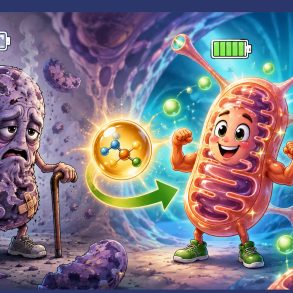



For decades, millions of people have taken daily multivitamins hoping they might support their health or help them age more gracefully. While the scientific evidence has often been mixed, a new clinical study suggests that multivitamins may do something far more meaningful than previously understood. Researchers have found that daily multivitamin supplements (Centrum Silver!) may actually slow biological aging, offering a potential new tool for improving health later in life.
The findings come from scientists involved in the COcoa Supplement and Multivitamin Outcomes Study, known as COSMOS. The study was conducted by a team of researchers including Sidong Li, Rikuta Hamaya, Haidong Zhu, Brian H. Chen, Alexandre C. Pereira, Kerry L. Ivey, Pamela M. Rist, JoAnn E. Manson, Yanbin Dong, and Howard D. Sesso. Their results were published in the medical journal Nature Medicine.
Previous research had already suggested that multivitamin and multimineral supplements might reduce the risk of certain chronic diseases among older adults. However, scientists were not sure whether these supplements could actually influence the biological processes that drive aging itself. To answer that question, researchers conducted a detailed analysis using data from the large COSMOS randomized clinical trial.
Methodology
The study examined 958 healthy participants who had been randomly selected from the larger COSMOS trial. The group included 482 women and 476 men with an average chronological age of about 70 years. Participants were randomly assigned to one of four groups. Some received a daily multivitamin and cocoa extract, others received cocoa extract and a placebo, a third group received a multivitamin with a placebo, and a fourth group received only placebos.
The multivitamin used in the study was a daily multivitamin multimineral supplement called Centrum Silver. The cocoa extract group received 500 milligrams of cocoa flavanols per day, including 80 milligrams of epicatechin.
Researchers collected blood samples from participants at the beginning of the study and again after one year and two years. These samples were analyzed to measure changes in biological aging using tools known as epigenetic clocks.
Biological age is different from chronological age. Two people may both be 70 years old in years, but their bodies may age at different speeds. Scientists estimate biological aging by examining chemical changes in DNA known as DNA methylation. These changes affect how genes are expressed and gradually shift as people grow older.
Using this approach, the research team evaluated five different epigenetic clocks that estimate the pace of aging: PCHannum, PCHorvath, PCPhenoAge, PCGrimAge, and DunedinPACE.
After two years, participants who took daily multivitamins showed slower increases in several measures of biological aging compared with those who received placebos. The strongest effects appeared in two epigenetic clocks that are known to predict mortality risk.
Results
For the PCGrimAge clock, the difference in yearly change between the multivitamin group and the placebo group was minus 0.113 years. For the PCPhenoAge clock, the difference was minus 0.214 years. Overall, the changes suggested that daily multivitamin use slowed biological aging by about four months over the course of the two year study.
The benefits were even more pronounced among participants who entered the trial with accelerated biological aging. In those individuals, the impact on the GrimAge measure was significantly stronger. In contrast, cocoa extract supplementation did not produce measurable effects on the epigenetic clocks examined in the study.
The researchers say the results are encouraging because they suggest that a simple and widely available supplement may influence biological aging processes.
“There is a lot of interest today in identifying ways to not just live longer, but to live better,” said Howard Sesso, senior author of the study and associate director of the Division of Preventive Medicine at Mass General Brigham. “It was exciting to see benefits of a multivitamin linked with markers of biological aging. This study opens the door to learning more about accessible, safe interventions that contribute to healthier, higher quality aging.”
The research team plans to continue studying the participants to see whether the slowing of biological aging persists after the trial ends. Scientists also want to determine whether these changes help explain other health benefits observed in the COSMOS trial, including improvements in cognition and reductions in cancer and cataracts.
“We plan to do follow up research to determine if the slowing of biological aging observed through these five epigenetic clocks persists after the trial ends,” said Yanbin Dong of the Georgia Prevention Institute.
While researchers caution that multivitamins are not a miracle anti aging treatment, the findings suggest they may play a meaningful role in promoting healthier aging. If future studies confirm the results, daily multivitamin supplementation could become part of a broader strategy aimed not only at extending lifespan but also improving the quality of life as people grow older.