

What is a Prostate?
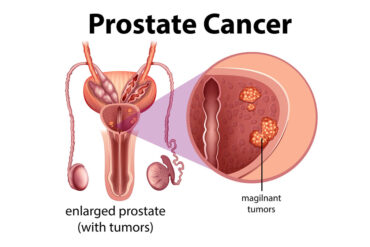
The prostate is a walnut-sized gland below the bladder and in front of the rectum. It wraps around the urethra and makes fluid that protects and carries sperm. It can enlarge with age, causing urinary symptoms. It can also develop cancer.
About one in eight men will be diagnosed with prostate cancer in their lifetime, most after age 65. The outlook is strong. Thanks to earlier detection and better care, nearly 98 percent of men are alive at least five years after diagnosis when the cancer is found early.
The following is information you will need if you are a man researching prostate cancer treatments.
How Doctors Find It
- PSA blood test: A simple test that looks for prostate-specific antigen. High levels can suggest a problem but are not proof of cancer.
- Digital rectal exam: A doctor feels the prostate for lumps or firmness.
- Multiparametric MRI: A detailed scan that helps spot suspicious areas and can reduce unnecessary biopsies.
- Biopsy: Tiny samples of tissue confirm cancer.
- PSMA PET/CT: A special scan that can find very small spots of cancer, especially if it returns after treatment.
First-Line Treatments That Work Today
- Surgery (radical prostatectomy): Removes the whole prostate. It cures many men but can cause short-term urinary leakage and erectile problems that often improve with time.
- Radiation therapy: Destroys cancer cells inside the prostate. Side effects can include bowel irritation and some sexual side effects.
Choice depends on tumor features, age, health, and which side effects you are most willing to accept.
When Watching Is Wise: Active Surveillance
If the cancer is low risk, many men can choose active surveillance. This means regular PSA tests, MRIs, and targeted biopsies. If the cancer grows, treatment starts. This approach helps men avoid side effects when treatment may not be needed.
New and Emerging Options Explained Simply
- Focal therapy: Treats only the part of the prostate with cancer using heat, cold, or a laser.
- How it works: Doctors use MRI to find the spot, then aim energy at it.
- Why it matters: Often fewer urinary and sexual side effects.
- Caution: Because the whole gland stays in place, cancer can return in untreated areas. Trials are ongoing.
- PSMA PET/CT before salvage radiation: For men whose PSA rises after surgery, this scan can find tiny cancer deposits and guide radiation more precisely.
- How it works: A tracer sticks to a protein on prostate cancer cells so the scan lights them up.
- Why it matters: Real-world data show better survival and better PSA control when doctors scan first and then radiate the right spots.
- Proton beam therapy: A type of radiation that can focus energy tightly on the prostate.
- How it works: Protons stop at a set depth, which can reduce dose to nearby organs.
- Why it matters: Aims to lower side effects while keeping cure rates high.
- Treatment intensification for metastatic disease: If cancer has spread, adding modern hormone-blocking pills to standard testosterone-lowering shots helps men live longer. Some patients may also benefit from adding chemotherapy.
- How it works: Stronger blockade of the androgen receptor starves cancer cells.
- Why it matters: More time before the cancer grows, and longer survival.
- Targeted drugs for gene changes (PARP inhibitors): Best for men with BRCA or other DNA-repair gene mutations.
- How it works: These pills block a repair pathway cancer cells need, causing them to die.
- Why it matters: A step toward personalized treatment that can work when standard options fade.
- Radioligand therapy (RLT) to PSMA: A “seek and destroy” medicine that carries a tiny radioactive payload to PSMA on cancer cells throughout the body.
- How it works: The drug finds PSMA, attaches to the cell, and delivers radiation from the inside.
- Why it matters: Can shrink tumors, ease pain, and improve daily function with generally manageable side effects.
- PROTAC drugs on the horizon: Experimental medicines that tag the androgen receptor for removal by the body’s own cleanup system.
- How it works: They mark the receptor so the cell breaks it down.
- Why it matters: May work even when standard hormone drugs stop working. Early studies suggest they could also boost PSMA levels, which might make radioligand therapy stronger when used together.
Who Is Advancing What: People, Places, and Impact
- Dr. Freddie Hamdy, University of Oxford
- Innovation: Long-term studies comparing surgery, radiation, and active monitoring.
- Impact: Proved many low-risk cancers can be safely watched, lowering overtreatment.
- Dr. Kristen Scarpato, Vanderbilt University
- Innovation: Focal therapy programs guided by MRI.
- Impact: Fewer side effects for well-chosen patients while trials measure long-term control.
- Anna W. Mogensen, PhD, Aalborg University Hospital, Denmark
- Innovation: Real-world study of PSMA PET/CT before salvage radiation after surgery.
- Impact: Better survival and PSA control support scanning first to target treatment.
- Dr. Joshua Farris, Bon Secours St. Francis
- Innovation: Community education on risk-based screening and active surveillance.
- Impact: Earlier detection and more right-sized care close to home.
- Dr. Carlos Vargas, Mayo Clinic
- Innovation: Proton therapy and targeted radiation for select metastatic cases.
- Impact: Precise treatment that aims to spare healthy tissue and extend control.
- Drs. Julian Chavarriaga and Luis Salgado, with Dr. Zachary Klaassen
- Innovation: Wider use of early treatment intensification and biomarkers like PTEN to guide who needs chemotherapy.
- Impact: Longer survival when modern combinations are used consistently and tailored.
- Dr. Daniel P. Petrylak, Yale School of Medicine
- Innovation: Genetic testing in routine care, PARP inhibitors for BRCA-positive disease, and trials of PROTACs, including combinations with PSMA radioligand therapy.
- Impact: Moves precision medicine earlier and may improve outcomes when standard hormone therapy is not enough.
- Dr. Andik Fadilah Abdul Aziz, Thomson Hospital Kota Damansara
- Innovation: Expanding access to PSMA PET/CT and radioligand therapy with national referral tools.
- Impact: Better quality of life and function for men with advanced disease in real-world settings.
What To Do Next
- Discuss screening between ages 45 and 75, sooner if you are high risk.
- Match care to risk: Active surveillance for low risk, local treatments for higher risk.
- Use modern imaging to plan smarter care.
- Ask about genetics so treatment fits your biology and your family gets proper counseling.
- Consider trials and combinations if the cancer has spread.
Current treatments cure many men. The next wave aims to cure more while protecting continence, sexual function, and daily life.