


Locking the Protein That Starts the Disease
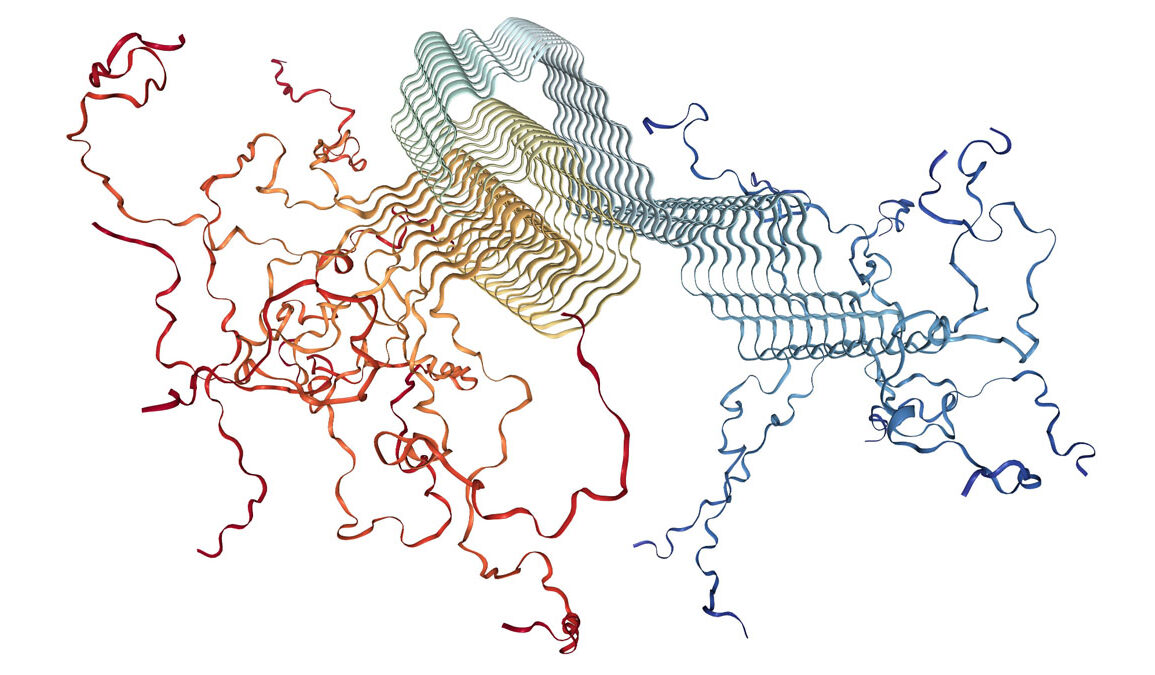
In a major scientific leap, researchers at the University of Bath have developed a small peptide that appears to stop Parkinson’s disease at its molecular root. The team, led by biochemist Jody Mason, engineered a short chain of amino acids designed to “freeze” the protein alpha-synuclein in its normal, healthy form—before it can twist into toxic clumps that damage brain cells.
In simple terms, this peptide keeps alpha-synuclein stable, preventing it from folding into the sticky aggregates that block communication between neurons. These clumps, known as Lewy bodies, are hallmarks of Parkinson’s and several related disorders.
“This opens an exciting path towards new therapies for Parkinson’s and related diseases, where treatment options remain extremely limited,” Mason said.
The Breakthrough Design
The Bath team’s innovation came from years of studying which part of the alpha-synuclein molecule triggers its self-destruction. They isolated a specific fragment of the protein that acts like a guide, helping it stay properly folded. Then, they reduced that fragment to the smallest effective size, creating a stable peptide that could survive inside cells without breaking down or causing side effects.
To make the peptide durable, researchers added chemical stabilizers called lactam bridges. These make the molecule more rigid, allowing it to patrol neurons and prevent misfolding, even in complex environments like the brain. Most importantly, the peptide doesn’t interfere with alpha-synuclein’s normal duties—such as helping control dopamine, the neurotransmitter essential for movement and mood.
“Our work shows that it is possible to rationally design small peptides that not only prevent harmful protein aggregation but also function inside living systems,” Mason explained.
The Mechanism and Why It Matters
Alpha-synuclein is a small protein present in nearly all neurons. Under normal conditions, it exists as a stable folded complex that regulates neurotransmitter release. However, in Parkinson’s disease, the balance between healthy and misfolded forms collapses. The misfolded versions recruit normal proteins to join them, spreading through the brain in a chain reaction that kills neurons in the substantia nigra, the area that produces dopamine.
The Bath peptide essentially halts this process by keeping alpha-synuclein molecules from changing shape. By blocking the initial “seeding” of abnormal protein, the peptide could theoretically stop Parkinson’s before it starts—something no existing drug can do.
The Path Toward Treatment
Although the current study used a simple animal model – a microscopic worm – the results were striking: the peptide prevented toxic protein aggregation entirely. The next challenge is figuring out how to deliver this compound effectively in humans, where crossing the blood-brain barrier poses a formidable obstacle. Still, the early success has drawn attention from neurodegenerative disease researchers worldwide.
Experts say the approach could reach far beyond Parkinson’s. Alpha-synuclein is also implicated in Lewy body dementia and multiple system atrophy, while similar aggregation problems underlie Alzheimer’s and other dementias. Julia Dudley, head of research at Alzheimer’s Research UK, which helped fund the project, called the results “exciting,” adding, “To make progress towards a cure for all forms of dementia, we need research focused on developing a broad range of treatments that can slow, stop and ultimately reverse these diseases.”
For decades, scientists have debated whether alpha-synuclein clumping causes Parkinson’s or is simply a byproduct of it. The new peptide may finally offer a way to test that question by stopping misfolding at the earliest stage. If preventing aggregation also halts the disease, it could redefine how Parkinson’s is treated—shifting from symptom management to genuine prevention.
Much remains to be done before the discovery translates into a viable therapy, but the concept is groundbreaking. By targeting the very first missteps in the protein’s folding process, this tiny engineered peptide may hold the key to stopping one of the world’s most devastating neurodegenerative diseases before it takes hold.