


For years, red meat has been portrayed as a dietary villain, blamed for heart disease, cancer, and early death. But a growing body of research is forcing a reexamination of that narrative. Evidence now suggests that unprocessed red meat, especially grass-fed and pasture-raised varieties, contains a wide range of nutrients and bioactive compounds that may support healthy aging, reduce inflammation, and improve metabolic health.
The emerging picture is more nuanced than the old warnings. Red meat is not automatically harmful, and in some cases may provide benefits that are difficult to obtain from plant foods alone. The key differences appear to lie in how animals are raised, how meat is processed, and how much is consumed.
Why Grass-Fed Meat Is Different
All meat provides essential nutrients such as protein, zinc, iron, selenium, and vitamin B12. However, when livestock graze on diverse pastures instead of grain-based feedlot diets, additional plant-derived compounds accumulate in their tissues. These compounds include terpenoids, phenols, carotenoids, and other antioxidants that are normally associated with fruits and vegetables.
Researchers have found that grazing animals on botanically diverse pastures concentrates a wider variety and higher amounts of these phytochemicals in meat and milk compared to grain-fed animals. In contrast, phytochemicals are often reduced or even undetectable in meat from animals raised on grain-based concentrates.
This means the difference between grass-fed and conventional meat is not simply marketing. It reflects measurable changes in nutrient composition.
The Anti-Aging Compounds in Grass-Fed Red Meat
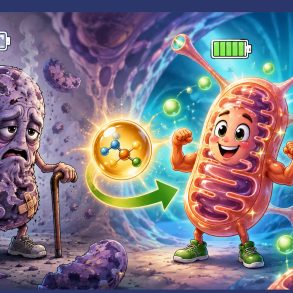
Grass-fed red meat contains a large number of compounds associated with longevity, muscle preservation, mitochondrial health, and inflammation control.
Creatine supports muscle energy metabolism and helps maintain strength during aging.
Carnosine acts as a powerful antioxidant that supports brain function, muscle performance, and cellular longevity.
Carnitine converts fat into energy and supports heart and brain function as people age.
Omega-3 fatty acids, including EPA, DPA, and DHA, help reduce inflammation and protect against cognitive decline, depression, and cardiovascular disease. Grass-fed beef contains meaningful levels of DPA, which can be converted into EPA in the human body.
Conjugated linoleic acid (CLA) is linked to reduced body fat, increased lean muscle mass, and potential anti-cancer effects. Grass-fed products often contain higher CLA levels than grain-fed meat.
Heme iron provides highly absorbable iron that helps prevent anemia and fatigue.
Glutathione is one of the body’s most powerful antioxidants, protecting DNA from free radical damage.
Superoxide dismutase (SOD) is an enzyme that defends cells against oxidative stress.
Vitamin E and beta carotene provide antioxidant protection associated with reduced risk of heart disease, cancer, and cognitive decline.
B vitamins, including B6, B12, riboflavin, and thiamine, support energy production, brain health, and red blood cell formation. Grass-finished beef has been shown to contain significantly higher levels of some B vitamins than grain-fed beef.
Zinc and selenium support immune function, mitochondrial health, and cellular repair.
Coenzyme Q10 supports mitochondrial energy production and is widely studied for its role in aging.
Taurine supports cardiovascular health, bile production, and cellular membrane stability.
Vitamin D supports bone health, immune function, and muscle maintenance.
Additional compounds found in higher concentrations in grass-fed meat include hippurate, cinnamoylglycine, and ergothioneine, which are associated with antioxidant activity, improved metabolism, and reduced disease risk.
Perhaps most importantly, grass-fed meat contains complete protein with high leucine content, which helps overcome age-related muscle loss known as anabolic resistance.
Phytonutrients: The Overlooked Advantage
One of the most surprising findings is that grass-fed animal foods contain plant phytonutrients. These compounds originate from the diverse plants animals eat on pasture and then accumulate in meat and milk.
Terpenoids have anti-inflammatory, antiviral, antioxidant, and anti-cancer properties.
Phenols and polyphenols provide protection against cardiovascular disease, neurodegenerative disorders, diabetes, and obesity.
Carotenoids such as lutein and beta carotene support eye health, immune function, and cognitive performance.
Tocopherols, including vitamin E, provide antioxidant protection and support cardiovascular and neurological health.
The antioxidant capacity of pasture-raised meat and dairy has been shown to be significantly higher than that of grain-fed products, in some cases 1.5 to 2.5 times greater.
These findings challenge the assumption that phytochemicals only come from plant foods.
Balancing Growth and Longevity: mTOR and AMPK
Healthy aging depends partly on balancing two biological pathways.
AMPK promotes cellular repair and autophagy, processes linked to longevity and cancer prevention. It is activated by fasting, exercise, and lower protein intake.
mTOR promotes growth, muscle development, bone strength, and immune function. It is activated by protein intake, including animal protein.
Both pathways are necessary. Too much constant activation of either one can be harmful. Periods of protein intake followed by periods of fasting or lower intake may create a healthier balance.
Is Conventional Red Meat Harmful or Just Less Beneficial
The evidence suggests that conventional grain-fed meat is not necessarily harmful, but may lack some of the additional compounds found in grass-fed products. Meat from all production systems still provides important nutrients.
However, animals raised on pasture often show healthier metabolic profiles than feedlot animals, and this may influence the quality of the meat. Researchers have observed differences in oxidative metabolism and stress markers between pasture-raised and feedlot-finished animals.
Is Red Meat Actually a Net Benefit
The scientific debate is far from settled, but the strongest recent evidence suggests moderate consumption of unprocessed red meat does not significantly increase cardiovascular risk for most people.
One large analysis of randomized controlled trials found that eating unprocessed beef had no adverse effects on cholesterol, triglycerides, or blood pressure. Kevin C. Maki, a researcher involved in the work, stated, “Results have generally indicated that beef consumption has no adverse effects on traditional risk factors for cardiovascular disease.”
Meta-analyses have also concluded that associations between unprocessed red meat and disease are weak and uncertain.
At the same time, health experts still caution against high consumption, especially of processed meats. Processed meats such as bacon, sausage, and deli meats remain consistently linked to poorer health outcomes.
How Much Red Meat Is Healthy
Moderation remains the most widely supported approach. Diet quality matters more than any single food.
A balanced diet that includes moderate amounts of unprocessed red meat, combined with vegetables, fruits, and other nutrient-dense foods, appears compatible with good health for many individuals.
Cooking methods also matter. Avoiding excessive charring and high-temperature cooking reduces formation of harmful compounds.
As cardiologist Dr. Joshua Yamamoto explained, “This isn’t an endorsement of gluttony.”
What Experts Disagree About
Some physicians argue red meat has been unfairly blamed for chronic disease. Others emphasize that replacing saturated fats with unsaturated fats lowers cardiovascular risk in controlled trials.
There is also debate about cholesterol. Some researchers argue insulin resistance is the primary driver of heart disease rather than LDL cholesterol alone, but this remains controversial and unresolved.
The most reasonable conclusion is that individual metabolic health, lifestyle, and overall diet pattern strongly influence outcomes.
Grass-fed red meat contains a remarkable range of nutrients and bioactive compounds linked to muscle preservation, mitochondrial function, antioxidant defenses, and inflammation control. It also contains plant-derived phytonutrients that are largely absent from grain-fed meat.
Unprocessed red meat, consumed in moderation as part of a high-quality diet, is unlikely to be harmful for most people and may provide meaningful nutritional benefits. The strongest risks remain associated with processed meats, excessive intake, and poor cooking methods.
Rather than being a dietary enemy, red meat appears to be a complex food whose health effects depend heavily on quality, preparation, and overall lifestyle.