


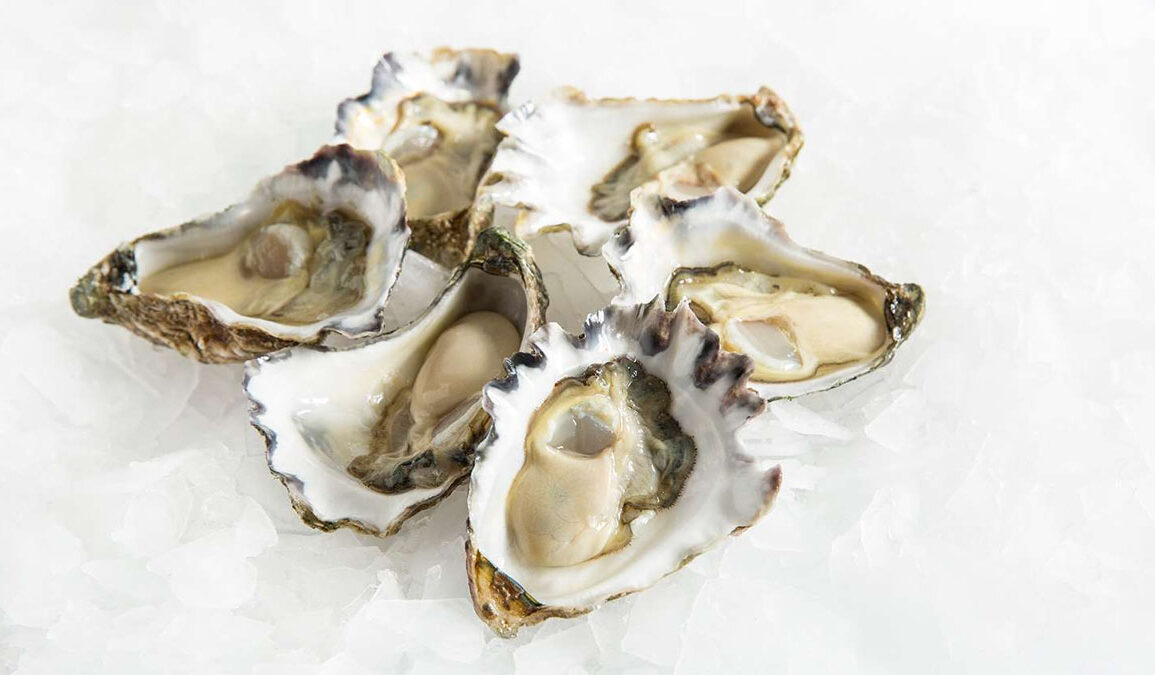
In the race to combat antibiotic-resistant bacteria, a surprising hero has emerged: the blood of Sydney rock oysters. Scientists in Australia have discovered that proteins in oyster hemolymph, the equivalent of human blood, could revolutionize the battle against superbugs by boosting the effectiveness of antibiotics and directly targeting harmful bacteria.
The Growing Threat of Superbugs
Antibiotic resistance, often referred to as the rise of superbugs, is a mounting global health crisis. Misuse and overuse of antibiotics have allowed bacteria to evolve defenses against these life-saving drugs, leading to infections that are increasingly difficult—or even impossible—to treat. According to a 2024 study, antibiotic-resistant infections could claim over 39 million lives annually by 2050 if no effective interventions are found.
Nature’s Solution: Oyster Blood Proteins
Researchers at Southern Cross University have zeroed in on the Sydney rock oyster, a species uniquely suited to this challenge. These mollusks constantly filter bacteria from their aquatic environment, developing natural defense mechanisms to survive. Their hemolymph contains antimicrobial proteins that show remarkable potential against some of the most dangerous pathogens, including:
- Streptococcus pneumoniae: A leading cause of pneumonia.
- Streptococcus pyogenes: The bacteria behind strep throat and tonsillitis.
- Staphylococcus aureus (golden staph): A notorious source of drug-resistant skin and bloodstream infections.
- Pseudomonas aeruginosa and Klebsiella pneumoniae: Both of which cause severe respiratory and blood infections.
The proteins in oyster blood work by dismantling biofilms, the sticky protective layers that bacteria form to shield themselves from antibiotics and immune responses. This disruption allows antibiotics to penetrate and attack the bacteria more effectively, with the proteins enhancing antibiotic potency by up to 32 times in some cases.
Safe and Effective
One of the most promising aspects of this discovery is its safety profile. Lab studies confirm that oyster hemolymph proteins are non-toxic to human cells, making them a viable candidate for future drug development. “The oyster hemolymph proteins were found to prevent biofilm formation and disrupt biofilms, so the bacteria remain available to antibiotic exposure at lower doses,” explained Kirsten Benkendorff, a marine scientist and co-author of the study.
Challenges Ahead
Despite the exciting potential of oyster blood, significant hurdles remain before it can be turned into a marketable antibiotic. Drug development is a lengthy and costly process, requiring rigorous testing in animals and humans. However, with the marine-based drug market projected to reach $9.2 billion by 2034, financial support for this research seems promising.
Why Oysters Could Save Lives—Today
While the journey to develop oyster-based antibiotics continues, there’s no harm in enjoying the health benefits of oysters right now. These shellfish are packed with zinc, polyunsaturated fatty acids, and vitamins that strengthen the immune system and support overall health.
As Benkendorff noted, “Slurping oysters could help keep the respiratory bugs away.” Whether on the half shell or as a future medicine, oysters might just be the unexpected saviors in humanity’s fight against superbugs.