


The Promise of a Second Life
A German start-up, Tomorrow.Bio, is offering an unconventional service: freezing human bodies after death in the hopes of reviving them in the future. For $200,000, individuals can have their entire body cryopreserved, while a budget-conscious option allows for freezing only the brain at $75,000. But does this process hold real potential, or is it merely an expensive leap of faith?
How Does Cryonics Work?
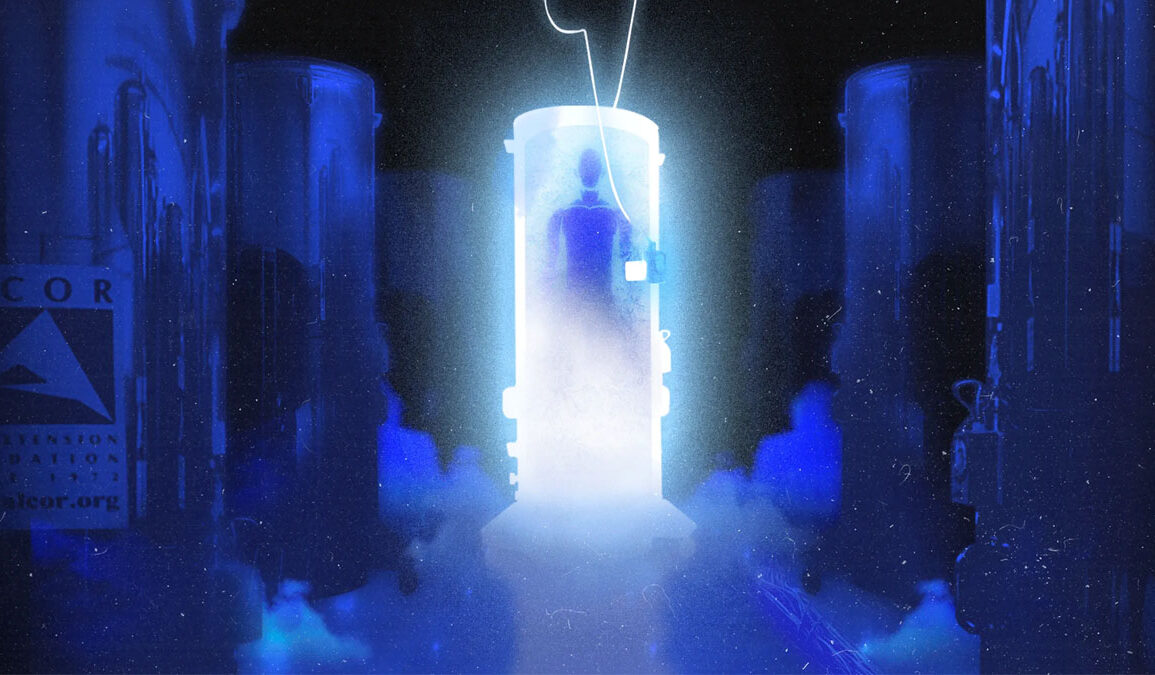
The process begins immediately after a person is declared legally dead. Tomorrow.Bio dispatches a specialized ambulance equipped with life-support measures to slow decomposition. The team replaces bodily fluids with a cryoprotectant solution—comprised of dimethyl sulfoxide (DMSO) and ethylene glycol—to prevent ice crystal formation, which would otherwise destroy delicate tissues. The body is then cooled to -196°C and stored in a Swiss facility indefinitely, waiting for future advancements in medicine and technology that could reverse the effects of death and the original cause of demise.
The Science Behind Cryonics
Cryopreservation is a well-established technique for preserving cells, tissues, and even organs at ultra-low temperatures. However, the successful revival of a whole human remains unproven. Supporters of cryonics point to research showing roundworms (C. elegans) have been successfully frozen and revived. Additionally, in 2023, researchers cryopreserved rat kidneys and later restored their function. These successes fuel hope that human revival might one day be possible.
Yet, skeptics argue that even if bodies can be thawed, reviving complex human brains without significant damage is an enormous challenge. Clive Coen, a neuroscience professor at King’s College London, describes cryonics as a “misplaced faith in antifreeze” and argues that decomposition processes begin immediately after death, which freezing cannot halt entirely.
Who is Signing Up?
Despite the scientific uncertainties, cryonics is attracting growing interest. Tomorrow.Bio has already frozen six individuals and five pets, with over 650 people signed up for future preservation. Most clients are under 60 and fund their procedure through life insurance policies. For them, the chance—however slim—of returning to life is worth the cost.
Some, like 51-year-old Louise Harrison, see cryonics as a form of time travel. “Having a small chance of coming back versus no chance at all seemed like a logical choice,” she says. Others are driven by a deep curiosity about the future and the potential for extended life spans.
The Ethical and Practical Concerns
Cryonics raises significant ethical and logistical questions. If a person is revived centuries from now, will they have legal rights? Who will be responsible for their well-being? Additionally, should vast resources be allocated to an unproven technology when millions of living people struggle to access basic healthcare?
The storage facility in Switzerland claims to provide long-term security for frozen individuals through a non-profit foundation. However, ensuring financial sustainability and legal protections for patients hundreds of years into the future remains uncertain.
The Future of Life Extension
Cryonics is just one aspect of the growing life-extension industry, which includes gene therapy, anti-aging drugs, and organ regeneration. While some experts advocate for focusing on extending healthy life spans rather than resurrecting the dead, Tomorrow.Bio remains optimistic. The company aims to achieve reversible cryopreservation within the next few years, a milestone that could transform the field.
While the probability of successful revival remains unknown, Tomorrow.Bio’s co-founder, Emil Kendziorra, makes one final argument: “The probability is certainly higher than cremation, if nothing else.” Whether cryonics is a visionary investment or an expensive fantasy, only time will tell.