


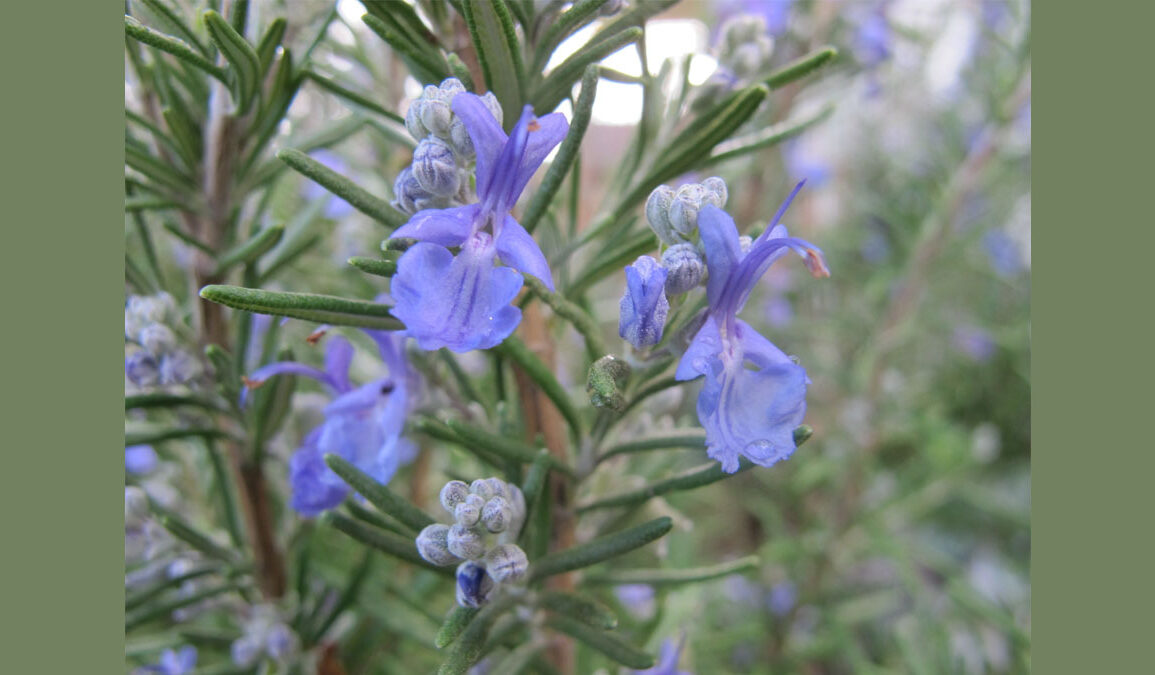
Alzheimer’s disease, a progressive brain disorder that affects more than 6.7 million Americans, has long resisted effective treatment. But now, a surprising candidate has emerged in the fight to reverse its devastating effects: rosemary. More specifically, a compound found in this common herb called carnosic acid may offer hope for patients and families affected by Alzheimer’s.
The Power of a Simple Herb
Carnosic acid is a naturally occurring compound found in rosemary and sage. For years, it has been used in hair loss remedies thanks to its antioxidant and anti-inflammatory properties. But researchers have recently discovered that this same compound may do much more than help with thinning hair. It might help restore memory and brain function in people with Alzheimer’s.
In a groundbreaking study published in Antioxidants in early 2025, scientists at The Scripps Research Institute in California tested a stabilized form of carnosic acid on lab mice with Alzheimer’s-like symptoms. The results were remarkable. Mice treated with the compound showed restored brain function, improved memory, and reduced signs of brain inflammation. According to Dr. Stuart Lipton, lead author of the study, the results were dramatic: “It didn’t just slow down the decline, it improved virtually back to normal.”
How Does It Work?
The key to carnosic acid’s power lies in how it responds to stress inside the body. Under normal conditions, carnosic acid remains inactive. But when it encounters oxidative stress and inflammation—two major drivers of Alzheimer’s—it transforms into an active form that targets and protects brain cells.
The compound activates a critical protective system in the body known as the Nrf2 transcriptional pathway. This system boosts the production of anti-inflammatory and antioxidant enzymes, helping to defend brain cells from damage. In essence, carnosic acid acts like a smart medicine, turning on only when the brain is under attack.
In the study, researchers developed a special version of carnosic acid called diAcCA, which is more stable and easier for the body to absorb. Once inside the stomach, diAcCA converts into active carnosic acid and travels through the bloodstream to the brain. Within an hour, it reaches levels high enough to have a therapeutic effect.
Proof in the Brain
To test how well the compound worked, scientists used 5xFAD mice—animals genetically engineered to develop symptoms similar to human Alzheimer’s disease. These mice were given diAcCA three times a week for three months.
The results were striking. Mice treated with the compound had:
- A significant increase in brain synapses, the connections between neurons
- Reduced buildup of toxic proteins like amyloid beta and phosphorylated tau, both of which are strongly linked to Alzheimer’s
- Lower levels of brain inflammation
- Dramatic improvements in learning and memory, as shown by water maze and fear conditioning tests
Microscope images of their brains showed dense networks of healthy neurons, in sharp contrast to untreated mice.
From Lab to Life: What This Means for Humans
While these results were seen in mice, the implications for humans are exciting. Because carnosic acid is already classified by the FDA as “generally regarded as safe,” the path toward human clinical trials could be faster than usual.
The compound could also be used alongside existing treatments. Some current Alzheimer’s drugs, especially those that target amyloid plaques, come with serious side effects. Dr. Lipton suggests that combining these drugs with diAcCA might reduce those side effects by calming the inflammation that often worsens them.
There’s even hope that this approach could help with other inflammation-based diseases like type 2 diabetes, heart disease, and Parkinson’s. Since all of these illnesses involve some form of oxidative stress and inflammation, activating the Nrf2 pathway with diAcCA could offer broad therapeutic benefits.
What Can You Do Now?
While clinical trials are still needed before diAcCA can be prescribed to humans, there are some practical takeaways today. Adding rosemary or sage to your diet won’t hurt and may offer mild cognitive benefits, although the concentrations of carnosic acid in these herbs are much lower than the doses used in research. Some people use rosemary oil for its health-promoting properties, but the real breakthrough lies in the concentrated, medical-grade form of carnosic acid now being studied.
Until the clinical trials begin, patients and caregivers should stay informed and talk to their doctors about new developments in Alzheimer’s research. As scientists move closer to translating this discovery into treatment, hope is growing that a familiar herb may help fight one of the most feared diseases of our time.
Looking Ahead
“There’s rosemary, that’s for remembrance,” Shakespeare once wrote. He may have been more right than he knew. With modern science uncovering the brain-boosting potential of this ancient herb, rosemary could become not just a symbol of memory—but a tool for saving it.