

What Is Neuralink?
Neuralink is a neurotechnology company founded in 2016 by Elon Musk and a team of scientists and engineers. Musk explained that Neuralink’s mission was to build a “digital layer above the cortex” to allow humans to interact directly with computers. The company’s primary goal is to help people who suffer from severe medical conditions like paralysis and ALS by restoring their ability to communicate and interact with the world. Neuralink is headquartered in Fremont, California, with a new major facility under development near Austin, Texas.
How Neuralink Technology Works
Neuralink’s device, called “The Link,” is about the size of five stacked U.S. quarters. It replaces a small piece of the skull and connects ultra-thin threads directly into the motor cortex, the part of the brain responsible for movement. Brad Smith, one of Neuralink’s latest patients, explained, “The implant is in my motor cortex, which is the part of my brain that controls body movement.”
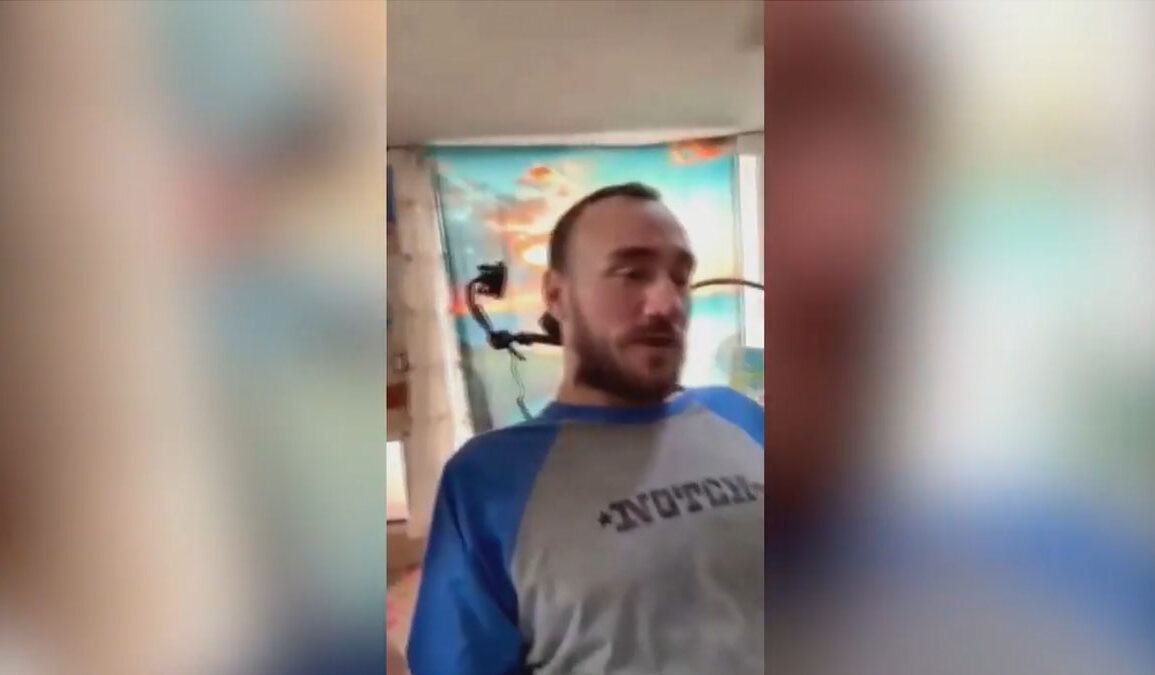
The implant connects wirelessly via Bluetooth to a computer. Signals from the brain are transmitted to external devices, allowing users to move a cursor, type, or even control software applications using thought alone. Smith said that using the Link, “I made this video controlling the mouse on my MacBook Pro with my brain.”
Life-Changing Benefits for Neuralink Patients
For patients like Noland Arbaugh, who was paralyzed from the shoulders down after a diving accident, Neuralink restored a level of independence he thought was lost forever. “Now I’m beating my friends at games, which really shouldn’t be possible but it is,” Noland said. After his surgery, he could control a computer cursor simply by imagining finger movements, bringing back activities he once loved, like playing chess and video games.
Brad Smith, living with non-verbal ALS, found a new way to communicate after losing almost all movement. Before Neuralink, he had to rely on eye-tracking devices that only worked well in dark rooms, limiting his ability to interact freely. “I was basically Batman, stuck in a dark room,” he joked. With Neuralink, he is now able to use a computer outside, regardless of lighting, and even communicate using an AI-cloned version of his original voice.
Smith said that the device not only helped him communicate but also made everyday tasks more manageable. “I created a keypad using the Mac accessibility keyboard to make keystrokes easy to use,” he explained, adding that features like copy, paste, and undo became much faster with the help of his customized setup.
Neuralink’s technology has also given patients new ways to keep up with conversations. Smith shared that he worked with Neuralink’s team to create a chat application that suggests responses in real-time using AI. “It is not perfect, but it keeps me in the conversation,” Smith said, emphasizing how important it is for him to stay connected to the people around him.
Beyond the technical benefits, patients have spoken openly about the emotional and psychological impact. Brad Smith said, “Don’t get me wrong, ALS still really sucks, but I am talking about the big picture. God loves me and my family. He has answered our prayers in unexpected ways.” Despite the challenges, Smith said simply, “Life is good.”
Overcoming Limitations and Challenges
Neuralink’s technology is still early in development, and there have been challenges along the way. In Noland Arbaugh’s case, many of the device’s threads detached from his brain after surgery. Although this caused temporary issues, the Neuralink team was able to adjust the software and restore functionality. Arbaugh remains positive, saying that even with setbacks, he is excited about the future.
Safety remains a critical focus. The Food and Drug Administration initially raised concerns about the device’s battery and the possibility of threads moving inside the brain. However, Neuralink received approval to proceed with human trials after addressing these issues. Improvements in surgical techniques, like those used for the second patient “Alex,” have already shown better stability in newer implants.
The Patients’ Perspective
Despite the risks, patients overwhelmingly express hope and gratitude. Noland Arbaugh said he understood the risks but wanted to be part of something bigger. “Good or bad, whatever may be, I would be helping,” he told the BBC. Brad Smith echoed a similar sentiment, explaining that while he still faces the harsh reality of ALS every day, the technology has given him a new way to live, communicate, and stay connected with his loved ones.
Smith summed up his experience by saying, “The big picture is I am happy. Tiffany is the greatest person I’ve ever known, and I get to spend eternity with her. My kids are doing well, especially under the circumstances. And I can control the computer with telepathy.”
What Critics Say
While the benefits to patients are clear, Neuralink has not escaped criticism. Some scientists argue that brain-computer interfaces have existed for decades and that Neuralink’s innovations are more evolutionary than revolutionary. Ethical concerns also remain, especially regarding long-term safety, privacy, and the invasive nature of the surgery.
Animal rights groups have criticized Neuralink for its early animal testing practices, pointing to reports of suffering and death among monkeys used in trials. However, Neuralink insists that its methods have improved and that no animals have been harmed since the development of more advanced versions of the device.
Some experts caution about the future risks of brain-connected devices. Professor Anil Seth warned, “If we are exporting our brain activity, then we are allowing access not just to what we do but potentially what we think, what we believe, and what we feel.” Concerns about privacy and security will need to be addressed as the technology evolves.
The Outlook for Neuralink and Its Patients
The future for Neuralink looks promising, especially for individuals facing paralysis, ALS, or other debilitating conditions. The company is expanding its clinical trials in both the United States and Canada and is working on new applications like Blindsight, a project aimed at restoring vision by connecting to the brain’s visual cortex.
For patients like Noland Arbaugh and Brad Smith, Neuralink has already changed their lives in profound ways. It has restored not just functionality but hope, joy, and a sense of purpose.
As Brad Smith said in his video message, “God knows what He is doing. I am learning to trust that. Life is good.”
As Neuralink continues to push the boundaries of what is possible, its most powerful achievement so far has been giving people their voices, their independence, and their lives back.