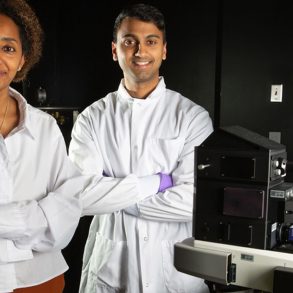
At Arizona State University’s Biodesign Institute, researchers are on a mission to create a world without cancer. From innovative treatments to groundbreaking early detection, ASU scientists are tackling cancer from every angle — and making real progress.
Nature’s Clues to Fighting Cancer
Karen Anderson and her team at ASU’s Biodesign Virginia G. Piper Center for Personalized Diagnostics have been digging into how biology itself could provide answers. By studying animals with naturally low cancer rates — like birds and sponges — they’re learning how evolution has kept some species cancer-free. These insights are being used to develop strategies for stopping cancer before it takes hold in humans.
A fascinating study of birds, for example, showed that even though they have high blood sugar levels, their cancer rates are lower than humans. Meanwhile, ancient sponges that can survive deadly levels of radiation have taught researchers about DNA protection and repair. ASU’s team believes that understanding these natural defenses could spark new prevention methods and even better treatments.
New Weapons in the Fight
Beyond prevention, ASU researchers are also developing tools to catch cancer early. The Biodesign Institute has licensed cutting-edge biomarker technologies to Provista Diagnostics, aiming to detect deadly diseases like ovarian and breast cancer long before they spread.
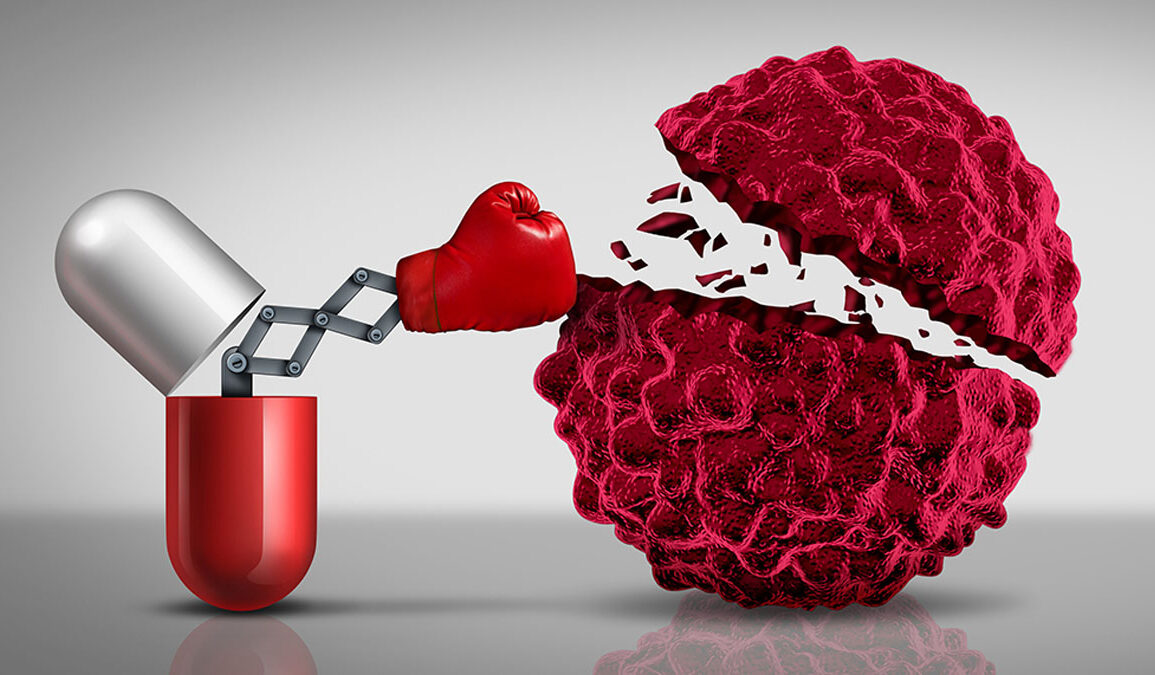
In treatment, ASU’s Petra Fromme and Raimund Fromme are collaborating with Professor Tim Marlowe from the University of Arizona to create peptide 2012, a lab-made molecule that stops cancer cells from latching onto healthy tissue. In lab tests, peptide 2012 shrank tumors by 80 percent in mice — without the harsh side effects of chemotherapy.
ASU is also working on “lab-on-a-chip” devices for fast, cheap diagnostics. Professor Krishnendu Chakrabarty is designing these disposable devices to ensure accurate testing in places that don’t have access to high-tech labs.
A Broader Vision for the Future
The Biodesign Institute’s 20-year journey has also included advances in oncolytic viruses, nanotechnology-based cancer killers, and even DNA nanorobots designed to seek out and destroy tumors. In these efforts, ASU has become a beacon of hope for the future of cancer care.
But as promising as these discoveries are, they’re still years away from helping patients. The path from lab to clinic takes time — and money.
Biden’s Cancer Moonshot: Big Promises, Big Questions
President Joe Biden’s “Cancer Moonshot” has poured nearly $1.8 billion into cancer research since 2016, promising to cut cancer death rates by half within 25 years. The White House says this will turn once-deadly diseases into treatable conditions and ensure all patients benefit from new breakthroughs.
But many cancer researchers remain skeptical. Critics like Dr. Gilbert Welch argue that more money doesn’t always equal better results. “It’s a lot harder than getting a man to the moon,” he said, noting that cancer isn’t one disease but hundreds.
Others worry that Biden’s focus on expensive, high-tech treatments may leave the poor and minorities behind. “We’ve overinvested in cancer,” Welch warned. “There’s so much money sloshing around, but we’re not making progress as quickly as we think.”
Keith Humphreys, a Stanford public health professor, believes prevention should be a bigger priority. “It’s always better to prevent something than to treat it,” he said, pointing to the success of anti-smoking campaigns in lowering lung cancer rates.
While critics are right to push for smarter spending and prevention efforts, researchers like Marco Davila see reasons to be hopeful. “Cancer-curing therapies are within reach,” he said. Some treatments are already pushing survival rates higher — even if we’re not yet at 100 percent.
ASU’s work underscores this mix of hope and caution. Their breakthroughs could one day save millions of lives. But for now, as Dr. Joshua LaBaer at the Biodesign Institute says, “Every decision we make is about saving as many lives as we can — and that takes both time and relentless dedication.”
The fight against cancer isn’t over, but thanks to relentless research at ASU and beyond, the dream of a cure grows stronger every day.