


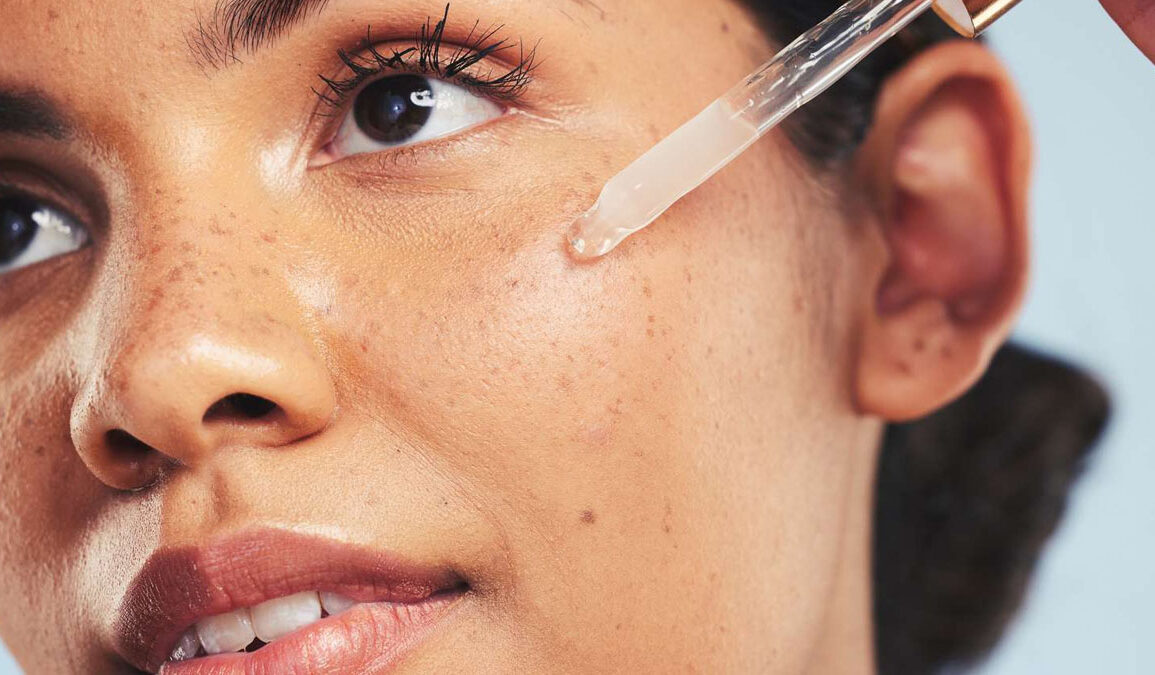
Retinol is everywhere these days—on skincare shelves, in beauty magazines, and splashed across social media. But does it really turn back the clock on aging skin? Let’s dive into the science, what users have found, and the top products on the market.
What Exactly Is Retinol?
Retinol is a form of vitamin A. When applied to the skin, it gets converted to retinoic acid, the active form that helps improve skin health. Retinoic acid was first approved for treating wrinkles and photoaging in 1995. Since then, retinol has become one of the most popular ingredients for reducing fine lines, brightening skin tone, and smoothing texture.
Retinol isn’t just hype. Studies show it can help build collagen, the protein that keeps skin firm, and encourage new skin cells to replace older ones. But it isn’t a quick fix; it usually takes weeks or even months to see visible results.
How Do You Use Retinol?
Retinol is typically used as a cream or serum at night. Dermatologists suggest starting with a low concentration, about 0.1%, once or twice a week, and gradually working up to 0.3% if your skin can tolerate it. To reduce irritation, moisturize after applying retinol and always use sunscreen during the day.
Dr. Jaimie Glick, a dermatologist, told Page Six Style, “Retinoids can increase skin cell turnover, reduce dark spots, and improve the appearance of wrinkles.” However, she warns that using retinol with other exfoliants can damage the skin barrier.
Benefits of Retinol
The main perks of retinol include:
- Reducing fine lines and wrinkles
- Smoothing out rough skin
- Fading dark spots and acne scars
- Boosting collagen production
- Unclogging pores for clearer skin
A study in Biomolecules (2023) found retinol improved skin smoothness and reduced discoloration in just eight weeks.
Real-Life Testimonials
Celebrity esthetician Shani Darden’s Retinol Reform is a favorite among stars like Jennifer Aniston and Chrissy Teigen. Chrissy told InStyle, “Every time I use it, I get compliments on my skin the next morning.”
On social media, many talk about the “retinol purge”—a temporary acne flare-up when starting retinol. Dermatologists say this usually calms down as your skin adjusts.
What Are the Downsides?
Retinol isn’t for everyone. Sensitive skin types, people with eczema or rosacea, and pregnant or breastfeeding women should be cautious. The main side effects include redness, dryness, peeling, and an increased risk of sunburn. That’s why using SPF 30 or higher is essential when you’re using retinol.
Critics and Alternatives
Some dermatologists worry that retinol can be too harsh, especially for sensitive skin. In Europe, new rules will soon limit retinol concentration in skincare to 0.3% for the face to prevent irritation.
If retinol is too strong, bakuchiol is a natural alternative. Research shows it can improve fine lines and skin tone with less risk of redness and peeling.
Products to Try
If you’re curious, here are some of the most popular retinol-based products:
- Shani Darden Retinol Reform – Celebrity-loved, gentle formula. $89
- Pharma Développement A313 – A cult French pharmacy retinol cream. $44
- Neutrogena Rapid Wrinkle Repair Cream – Budget-friendly retinol moisturizer. $26–$40
- True Botanicals Pure Radiance Oil – Natural glow with plant oils, $120
For hydration, hyaluronic acid serums like Dr. Barbara Sturm’s ($325) pair well with retinol to help your skin stay plump and smooth.
So, does retinol reverse the signs of aging? Science says it helps, though it won’t turn back the clock entirely. Retinol can smooth fine lines and even out skin tone, but patience and smart application are key. If you’re considering retinol, start slow, use sunscreen daily, and listen to your skin.
As Dr. Glick said, “Retinoids are a great option for patients interested in anti-aging.” Just remember that healthy skin isn’t just about products—it’s also about lifestyle, sun protection, and getting enough sleep.
If you want to try retinol, choose a reputable product and introduce it gently. With the right routine, your skin might just thank you.