


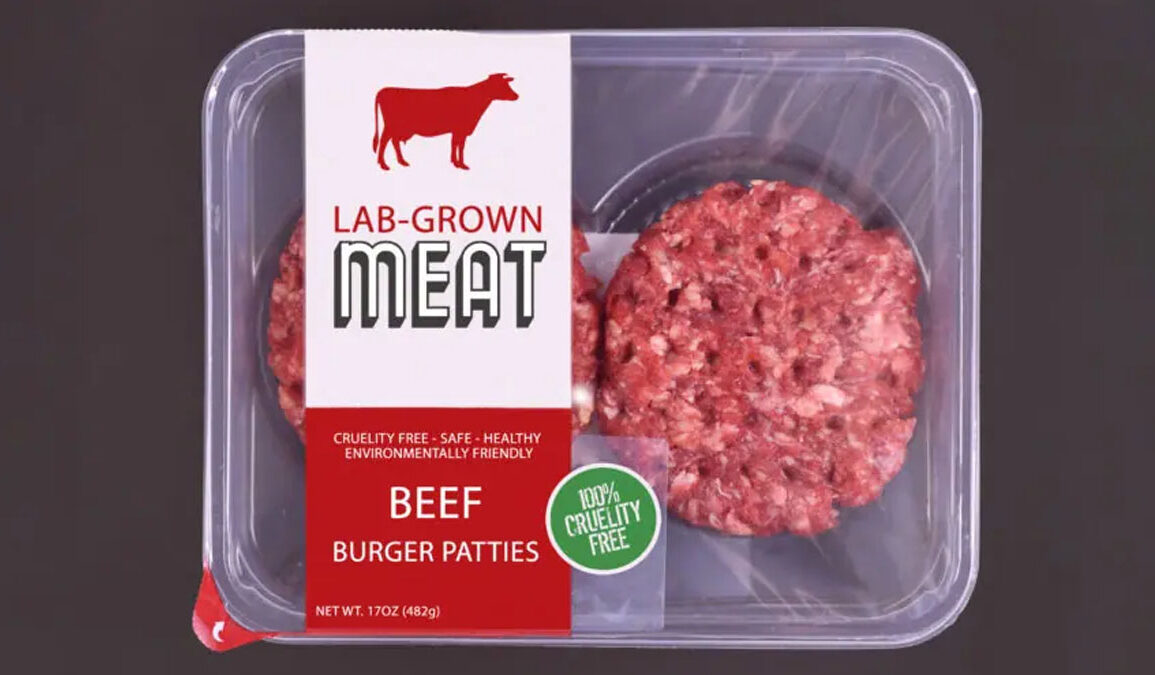
Texas Moves First Against Synthetic Beef
The Lone Star State has made its position clear. On September 1, Texas became the seventh state in the nation to officially outlaw the sale of lab-grown or cell-cultured meat. Governor Greg Abbott signed Senate Bill 261 earlier this year, and the measure took effect immediately at the start of the month. The law bans the sale of cultured meat in Texas until September 7, 2027, unless lawmakers extend it further. Anyone caught selling these products in the state faces both civil and criminal penalties.
The measure amends the Texas Food, Drug and Cosmetic Act to add cultured protein to the list of prohibited products. The bill passed with strong support from the Republican-controlled legislature and has been hailed by ranchers as a victory for traditional agriculture. Agriculture Commissioner Sid Miller celebrated the moment, declaring, “Texans have a God-given right to know what’s on their plate, and for millions of Texans, it better come from a pasture, not a lab.”
Concerns Over Fake Beef
Lawmakers in Texas have argued that lab-grown protein raises serious issues of safety, transparency, and culture. Sen. Charles Perry of Lubbock explained that there are “concerns over the transparency and labeling, risk of contamination, and long term health impacts of consuming cell culture products.” Ranchers echoed that sentiment. Dan Gattis, a rancher and lawyer from Georgetown, told lawmakers, “I would see the lab grown meat as against the Make America Healthy Again movement.”
Sid Miller drove the point home with his plainspoken style, saying, “It’s plain cowboy logic that we must safeguard our real, authentic meat industry from synthetic alternatives.” Ranchers across Texas see this as a battle for the survival of their livelihoods. Carl Ray Polk Jr., president of the Texas & Southwestern Cattle Raisers Association, explained that the goal was not just to limit competition but to protect consumers from products that may be misleading.
What Exactly Is Lab-Grown Meat
Cultured meat first appeared in 2013 and has been promoted heavily by companies in California and other states. The process involves extracting cells from a living animal or a fertilized egg and then feeding those cells with a cocktail of water, sugars, fats, and vitamins inside steel tanks. Once grown, the product can be shaped into nuggets, cutlets, or ground meat.
The Good Food Institute, a group that advocates for cultivated proteins, describes it as “nutritionally comparable to conventional meat, allowing us to feed more people with fewer resources and meet the growing global demand for protein in a more humane way.” But critics point out that food grown in vats is hardly natural. They warn that the process is experimental, expensive, and potentially unsafe.
Who Has Banned It Already
Texas is not alone in rejecting this trend. Florida, Alabama, Mississippi, Montana, Indiana, and Nebraska have all passed similar bans on the sale of lab-grown meat. Florida Governor Ron DeSantis, who signed his state’s ban in 2024, described it as an effort to stop “the global elite’s plan to force the world to eat meat grown in a petri dish or bugs to achieve their authoritarian goals.”
Together, these states are drawing a line against Silicon Valley companies who claim their synthetic products will reshape diets. Instead, they argue that the real goal is to undermine traditional ranching and change what Americans eat without their consent.
The companies behind lab-grown meat insist they are not trying to force anything on consumers. They argue that Texans should have the freedom to choose. Paul Sherman, senior attorney for the Institute for Justice, said, “Texas has always been a state with a live-and-let-live mentality, especially when it comes to the kitchen. No one is forcing Texans to eat anything they don’t want. But at the same time, the government shouldn’t prevent Texans from eating something they do want.”
HNZ Editor: Funny how we often have products forced upon us after proponents insist they are not trying to them on us.
Who Is Suing Texas
Not everyone is willing to accept Texas’s new law. California-based companies Wildtype and UPSIDE Foods, joined by the Institute for Justice, have filed a lawsuit against the state. The suit targets the Attorney General, the Department of State Health Services, and Travis County.
The companies argue that Texas is discriminating against out-of-state businesses and violating the Constitution. In their filing, they said that “Texas has closed its border to an entirely out-of-state industry to protect Texas agriculture from lawful competition.” Their legal team claims the ban violates the Commerce Clause by blocking competition from California firms. Attorney Marco Vasquez Jr. also argued that the ban conflicts with federal laws like the Poultry Products Inspection Act, which already regulates facilities and ingredients used in food production.
Paul Sherman of the Institute for Justice called the law “unconstitutional” and “un-American.” He pointed out that the federal government has already declared these products safe. “The USDA and the FDA have agreed that these products are safe,” Sherman said. “If that’s not good enough for some consumers, there’s a simple solution, don’t eat it.”
Before the ban, only one Texas restaurant had dabbled in serving cultivated protein. OTOKO, a high-end sushi spot in Austin, briefly offered Wildtype salmon on its omakase menu. That experiment ended once the law took effect. Wildtype has said it would like to resume sales in Texas if the courts strike down the ban.
For now, ranchers and lawmakers in Texas believe they have struck a blow against what they see as an artificial trend pushed by outsiders. Sid Miller summed it up when he said, “Texans have a God-given right to know what’s on their plate.” For most Texans, that means steak from a pasture, not a petri dish.
The fight is far from over, with lawsuits moving forward and activists pushing for lab-grown products in more states. But in cattle country, the message is clear: real beef is not going away without a fight.