

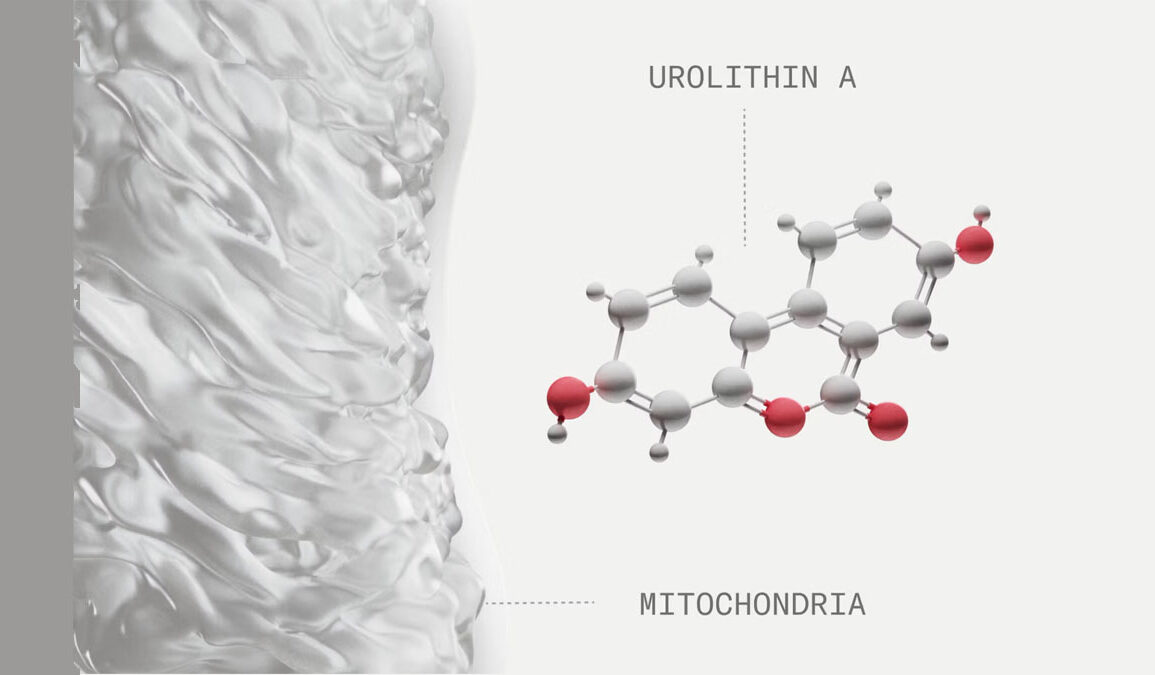
As people get older, their immune systems slow down. Colds linger, vaccines work less effectively, and the body becomes more prone to inflammation and chronic disease. Scientists call this immune aging. A new study suggests that a natural molecule called urolithin A may help reverse part of this process in just 28 days.
Urolithin A is produced by certain gut bacteria after we eat foods rich in ellagitannins. These foods include pomegranates, walnuts, almonds and some berries. Many people do not naturally make much of it, which is why researchers are studying it as a supplement.
The study was led by researchers at Georg Speyer Haus and University Medicine Frankfurt in Germany. Their goal was to test whether urolithin A could refresh the immune system of healthy adults between 45 and 70 years old. The work was published in the journal Nature Aging.
Dr Dominic Denk, one of the lead investigators, said that his team had already seen strong results in lab experiments. He explained that three years earlier they found urolithin A could expand long lived T cells in the lab and that the next step was to test it in real people.
Fifty volunteers took part in a randomized, double blind, placebo controlled trial. Half received 1,000 milligrams of urolithin A every day for 28 days, while the other half received a placebo. Blood samples were collected at the beginning and at the end to see how the immune system changed.
The researchers measured the balance of T cell types, how energized the cells were, and whether the immune system was better at responding to challenges.
After 28 days, people who took urolithin A showed a shift toward a more youthful immune profile. The biggest changes were in CD8 T cells, which help the body fight viruses and abnormal cells.
Urolithin A increased the number of naive like CD8 T cells, which are fresh cells ready to respond to new threats. It also lowered signs of exhaustion in these cells. These changes suggest that the cells were acting more like they do in younger adults.
The study also found that the cells were using energy in a healthier way. They relied less on glucose and more on burning fatty acids and amino acids, which is typical of younger, well functioning immune cells.
Urolithin A also improved the activity of natural killer cells and boosted the ability of monocytes to swallow and clear bacteria.
Why this matters for healthy aging
Immune aging is a major factor in how well people respond to infections, cancer, and vaccines. If a safe nutritional compound can help restore youthful traits in immune cells, even modestly, it could improve health and resilience in middle age and beyond.
Dr Denk said the study shows that urolithin A can safely enhance immune function in humans. Dr Florian Greten, director of Georg Speyer Haus, added that a strong immune system has broad benefits and that the team is now testing urolithin A in cancer patients receiving immunotherapy.
Foods that lead to urolithin A
Urolithin A does not exist naturally in foods. Instead, the gut makes it after breaking down ellagitannins from foods such as
- Pomegranates
- Walnuts
- Almonds
- Raspberries
- Blackberries
- Some types of berries and citrus peel
Because gut bacteria vary widely between people, some individuals make very little urolithin A even when they eat these foods. That is why supplements are being studied. Many supplements are indeed available and are not expensive.
The study was short and small, so larger and longer trials are needed. Future research will look at whether urolithin A can help older adults fight infections better, respond more strongly to vaccines, or improve outcomes in cancer therapy.
For now, the results suggest that a natural compound made from everyday foods may offer a simple way to support immune health as we age.