


Colon and rectal cancer do not develop overnight. The latest research described here points to a slower, quieter force that may shape risk for years before a tumor is ever found: the gut microbiome, the trillions of microbes living in the intestine.
Researchers and clinicians quoted in these materials keep coming back to the same idea. The colon sits in constant contact with bacteria and the chemicals they produce. Over time, that relationship can either help protect the colon or push it toward chronic irritation, inflammation, and DNA damage that sets the stage for cancer.
“Supporting the gut microbiome can help reduce colorectal cancer risk and may even enhance prevention and treatment,” said Sachin Aryal, a gut microbiome researcher at the University of Toledo.
The Core Proposition: Colon Cancer Is Closely Linked to the Microbiome
Colorectal surgeon Dr. Cedrek McFadden, medical advisor to the Colorectal Cancer Alliance, put it plainly: “We’re learning that the bacteria in the gut matter more than we used to think.”
The reasoning is direct. Gut bacteria are not passive. They interact with the colon lining, the immune system, and inflammatory signaling. When the balance shifts into dysbiosis, harmful patterns can develop. Dysbiosis is an unhealthy imbalance in your gut microbes, where helpful bacteria drop and harmful ones rise, disrupting digestion, immunity, and inflammation. Some bacteria can maintain a low-level inflammatory state. Others can produce irritating or damaging substances. Over many years, that daily exposure can contribute to cancer-related changes.
McFadden emphasized that it usually is not a single villain. “It’s not that one bacterium causes cancer,” he said. “It’s more about the overall balance and what the colon is being exposed to day after day.”
Raz Abdulqadir, a researcher focused on the microbiome and colorectal cancer at Penn State College of Medicine, described what can happen when the imbalance persists. Ongoing dysbiosis can damage the gut barrier, sometimes described as “leaky gut.” The tight connections between gut cells loosen, allowing bacteria and their by-products to move deeper into the gut wall. The immune system stays switched on.
“As a result, inflammatory cells release molecules that increase oxidative stress and can damage DNA in colon cells, raising the risk of abnormal cell growth,” Abdulqadir said.
Who Is Doing the Research and What Are They Concluding
Sachin Aryal (University of Toledo, gut microbiome researcher)
Aryal argues the microbiome is tied to colorectal cancer through inflammation, by-products, toxins, and immune effects. He also highlights that the microbiome is changeable through habits and diet. At the same time, he urges caution: “However, we still need well-designed intervention studies to determine whether these microbial changes are true drivers of cancer or simply a consequence of the tumor environment.”
Dr. Cedrek McFadden (colorectal surgeon, Colorectal Cancer Alliance advisor)
McFadden’s conclusion is that long-term microbial imbalance can create an inflammatory environment that contributes to cancer. He stresses practicality over hype: “Eat real food more often. Get fiber in your diet. Cut back on heavily processed foods when you can and don’t chase supplements or trends.”
Raz Abdulqadir (Penn State College of Medicine)
Abdulqadir focuses on mechanism. Dysbiosis can weaken the gut barrier, sustain immune activation, raise oxidative stress, and increase DNA damage, which raises the odds of abnormal cell growth.
Dr. Chunjun (CJ) Guo, Dr. David Artis, Dr. Nicholas Collins (Weill Cornell Medicine)
This team’s study adds a more targeted concept: gut bacteria can influence how a dietary amino acid, asparagine, ends up shaping the battle between tumors and immune cells. Guo warned that clinicians should not ignore the interaction between diet, microbes, and immunity: “Our study suggests that we need to think about how the interplay of diet, gut microbiota and tumor-infiltrating immune cells could affect cancer growth and response to therapy. We can’t overlook this key level regulation.”
Their work suggests future care could involve reshaping the microbiome or diet to influence whether nutrients feed tumor growth or strengthen immune response.
Collins describes the longer-term goal as individualized strategy: “Our goal is personalized therapy, where we can tailor a specific diet that will synergize with the microbiota of an individual to boost the immune system against cancer.”
Jennifer J. Barb, Lena J. Lee, Ayaan Ahmed, Elisa H. Son, Shubhi Nanda, Li Yang, Yuguang Ban, Amanda Ting, Thomas C. Tsai, Youngmee Kim (Scientific Reports, 2025)
This group examined patients with colorectal cancer and their sleep-partner caregivers and found differences in microbial diversity and composition. Patients showed significantly different beta diversity and lower alpha diversity by the Inverse Simpson index. They also found that, among patients, higher sleep efficiency was associated with higher microbial diversity. Their overall conclusion is that sleep health links to gut microbiome characteristics in colorectal cancer patients, and more research is needed.
What Can Go Wrong: Microbial Problems That May Cause or Worsen Cancer Risk
Across these sources, several problem patterns repeat.
Dysbiosis and chronic inflammation
When the microbial balance is off, the colon may sit in a low-grade inflammatory environment for years. That long-term irritation can contribute to cancer-related change.
Barrier damage and constant immune activation
“Leaky gut” is described as loosened connections between gut cells that allow bacteria and by-products deeper into the gut wall, keeping the immune system activated. That can lead to oxidative stress and DNA damage.
Harmful microbes and harmful outputs
Aryal listed microbes consistently associated with colorectal cancer, including Fusobacterium nucleatum, enterotoxigenic Bacteroides fragilis, Enterococcus faecalis, and certain strains of E. coli. The concern is not only which microbes are present but what they produce, including by-products and toxins that can increase inflammation and DNA damage.
A toxin that may seed early mutations
The colibactin story is one of the clearest “damage” narratives here. Certain E. coli strains can synthesize this toxin, and researchers identified mutation signatures linked to it, especially in early-onset cases. Importantly, the report notes exposure does not appear to be ongoing at diagnosis. It may be a past event that left a genetic mark.
Microbial imbalances seen in colorectal cancer patients
In the sleep and microbiome study, patients had lower microbial diversity than caregivers and differences in certain taxa. The discussion points to protective bacteria being depleted in patients, including Coprococcus catus and Bacteroides thetaiotaomicron, and also Faecalibacterium prausnitzii, which the paper describes as an “anti-tumorigenic bacterium” in preclinical models.
Dangerous Shortages: What Being Low On Might Mean
These sources describe “shortages” mostly as depleted beneficial bacteria, lower diversity, or reduced beneficial metabolic function.
Lower microbial diversity
In the Scientific Reports study, patients had lower alpha diversity than caregivers by the Inverse Simpson index. Patients with higher sleep efficiency also showed higher diversity, while low sleep efficiency in patients was linked to lower diversity by Shannon and Inverse Simpson measures.
Depletion of beneficial, protective taxa
The discussion highlights bacteria that appear depleted in colorectal cancer patients compared with caregivers, including Coprococcus catus and Bacteroides thetaiotaomicron, plus Faecalibacterium prausnitzii. The paper notes Coprococcus catus produces propionate and butyrate, described as beneficial metabolites, and calls out B. thetaiotaomicron for polysaccharide breakdown. A reduction in these functions suggests a colon environment that is less protected and potentially more inflamed.
What Might Help: Ways to Improve the Microbiome That Could Lower Risk or Support Treatment
The advice in these sources is mostly “simple, consistent basics,” with a few emerging clinical ideas.
Fiber and whole-food eating patterns
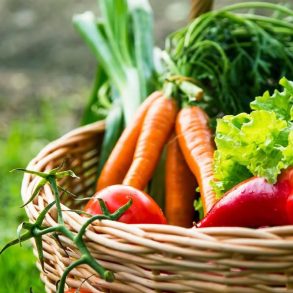
Aryal emphasizes that microbial diversity is supported by dietary fiber and a consistent pattern rich in fruits, vegetables, fermented foods, and prebiotic or probiotic sources. He adds, “Incorporating Mediterranean-style eating patterns is especially helpful because they emphasize whole grains, legumes, vegetables, and healthy fats that support microbial diversity.”
McFadden’s version is even more direct: “Eat real food more often. Get fiber in your diet. Cut back on heavily processed foods when you can and don’t chase supplements or trends.”
Probiotics, prebiotics, and synbiotics
Abdulqadir lists probiotics, prebiotics, and synbiotics as tools that can help rebuild microbial balance and regulate immune and inflammatory pathways.
Aryal points to probiotic strains with evidence in research contexts, including Faecalibacterium in animal research for reducing gut inflammation and protecting against colitis, and certain Lactobacillus and Bifidobacterium strains that help strengthen the gut lining and support healthy cell growth, especially in people with a history of polyps.
He also highlights paired use: “When probiotics and prebiotics are used together as synbiotics, they help reduce inflammatory mediators and create a gut environment less favorable for tumor development.”
Exercise
Aryal states that regular physical activity supports the microbiome and lowers risk: “Exercise increases microbial diversity, enhances short-chain fatty acid production, and reduces inflammation, all of which help keep the colon healthy.”
Sleep quality as a microbiome lever in colorectal cancer patients
The Scientific Reports study suggests sleep efficiency is linked to microbial diversity in colorectal cancer patients, raising the possibility that improving sleep could be part of supporting gut health and overall well-being in this population.
Future direction: diet plus microbiome targeted strategies paired with immunotherapy
The Weill Cornell team suggests clinicians may one day reshape the microbiome or diet to starve tumors while strengthening immune response. Collins underscores that this could vary person to person depending on microbiota: “We think it’s critical to continue studying interactions between diet, the microbiota and the immune system because different diets may enhance the immune system of one individual but not another.”
Aryal calls the microbiome “an increasingly important part of conversations around early detection, prevention, and personalized cancer therapy,” while still warning that intervention studies are needed to sort cause from consequence.
McFadden urges people not to get lost in hype and to focus on repeatable habits.
In the colibactin story, Alexandrov’s team found a strong association, but the report emphasizes it cannot prove the toxin caused early cancer on its own. Jobin’s comment captures the field’s caution: “That would be too simple.” Dey agrees on complexity, calling the microbial contributors “tricky to understand.”
Taken together, the message is not that a person can “hack” colon cancer risk with a single probiotic or a single food. The message is that the colon is exposed every day to a microbial ecosystem, and that ecosystem can move risk up or down through inflammation, barrier integrity, toxins, immune response, diet, activity, and possibly sleep.
And unlike many risk factors, this one is not fixed. As Aryal notes, everyday choices can shift the microbiome, which may be one of the most practical long-term levers people have for protecting colon health.