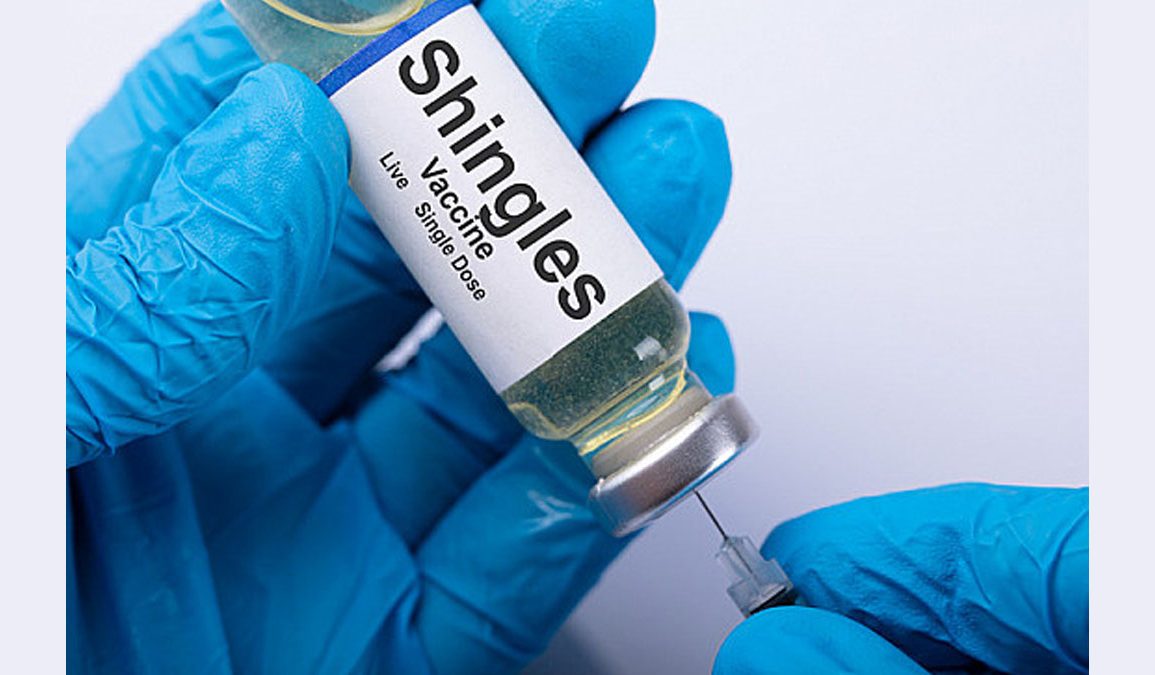
A growing number of studies are pointing to an unexpected benefit of the shingles vaccine. In addition to preventing a painful viral rash, researchers now believe it may help reduce the risk of dementia and even slow aspects of biological aging. New findings from multiple teams, including researcher Jung Ki Kim and a large 2024 study led by Maxime Taquet, are strengthening the case that the vaccine could play a role in protecting brain health.
Who Is Jung Ki Kim and What the New Study Found
Jung Ki Kim is a researcher who examined whether shingles vaccination is associated with slower biological aging. Using data from the nationally representative U.S. Health and Retirement Study, Kim and colleague Eileen Crimmins analyzed nearly 3,900 adults age 70 and older.
The study looked across seven biological aging domains, including inflammation, immune function, cardiovascular health, neurodegeneration, and molecular aging markers such as epigenetic and transcriptomic changes. Biological samples were collected through blood testing, immune cell analysis, and physical assessments.
The results showed meaningful differences between vaccinated and unvaccinated individuals. Those who had received the shingles vaccine had:
- Lower inflammation scores
- Slower epigenetic and molecular aging
- A lower overall biological aging score
- Higher adaptive immune function
Improvements in molecular aging markers were most noticeable within three years after vaccination, with some benefits lasting beyond that period.
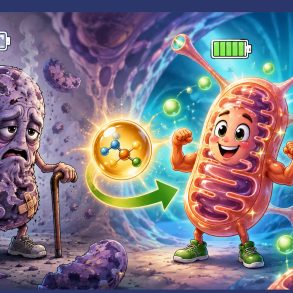
Kim explained that chronic inflammation plays a major role in age related diseases, including dementia. “By helping to reduce this background inflammation possibly by preventing reactivation of the virus that causes shingles, the vaccine may play a role in supporting healthier aging,” she suggested.
These findings add biological evidence to the idea that the vaccine could influence processes connected to cognitive decline.
How Earlier Research Built the Case
Evidence linking shingles vaccination to dementia risk has been accumulating for several years. Early research on the older vaccine Zostavax found that people who became eligible for the vaccine had a 20 percent lower rate of dementia compared with slightly older adults who were not eligible. An Australian study also reported about 1.8 percent fewer dementia diagnoses among age eligible individuals.
More recent work has focused on the newer vaccine Shingrix, approved in 2017. Studies suggest it may provide equal or greater protection because it produces a stronger immune response.
One study involving more than 200,000 Americans found that people who received Shingrix experienced a 17 percent increase in dementia free time. Another analysis reported a 51 percent lower dementia risk among vaccinated individuals compared with those who were not vaccinated.
The 2024 Study Led by Taquet
A major 2024 study published in Nature Medicine provided some of the strongest evidence so far. The research team included Maxime Taquet, Quentin Dercon, John Todd, and Paul Harrison. They analyzed electronic health records from more than 200,000 people in the United States and compared two vaccinated groups. One group received the older live shingles vaccine, while the other received the newer recombinant vaccine.
This design helped reduce bias because both groups chose vaccination, allowing researchers to isolate differences between vaccine types rather than differences between vaccinated and unvaccinated people.
The results were striking. People who received the recombinant vaccine were 17 percent more likely to remain free of dementia over a six year period compared with those who received the live vaccine. For individuals who eventually developed dementia, this translated into about 164 extra days without symptoms.
The benefit appeared in both men and women, but it was stronger in women. Women experienced a 22 percent longer diagnosis free period, while men saw a 13 percent increase.
Researchers also compared the shingles vaccine to other common adult vaccines such as influenza and Tdap. The shingles vaccine performed better, suggesting the effect may be specific rather than simply a result of general vaccination.
Why the Vaccine Might Affect Dementia
Scientists are still working to understand the mechanism. One possibility involves the varicella zoster virus, which causes both chickenpox and shingles. Some researchers believe herpes family viruses may contribute to dementia by triggering inflammation or damaging brain tissue.
By preventing viral reactivation and lowering inflammation, the vaccine may reduce one pathway that leads to cognitive decline. Another theory is that the immune stimulation produced by the recombinant vaccine strengthens the body’s defenses in ways that protect brain function.
Studies examining biological aging markers support the inflammation theory, since vaccinated individuals show lower inflammatory signals and improved aging profiles.
What Experts Are Saying
Researchers caution that these studies do not yet prove cause and effect. Observational research can show associations but cannot fully rule out other explanations. Still, scientists say the consistency across multiple studies is encouraging.
The findings are adding to what experts describe as a growing list of potential benefits associated with shingles vaccination, including possible effects on healthy aging and cognitive health.
Current Recommendations for the Vaccine
The shingles vaccine known as Shingrix is already recommended by the Centers for Disease Control and Prevention for adults age 50 and older and for adults 19 and older with weakened immune systems. It is given as a two dose series several months apart and is recommended even for people who have previously had shingles.
While more research is needed, scientists say the emerging evidence provides another reason for eligible adults to consider vaccination. Preventing shingles remains the primary goal, but the possibility of delaying dementia by months or longer could have a meaningful impact on quality of life for older adults and their families.
As research continues, the shingles vaccine may turn out to be more than protection against a painful rash. It could become part of a broader strategy to support healthy aging and preserve cognitive function later in life.