

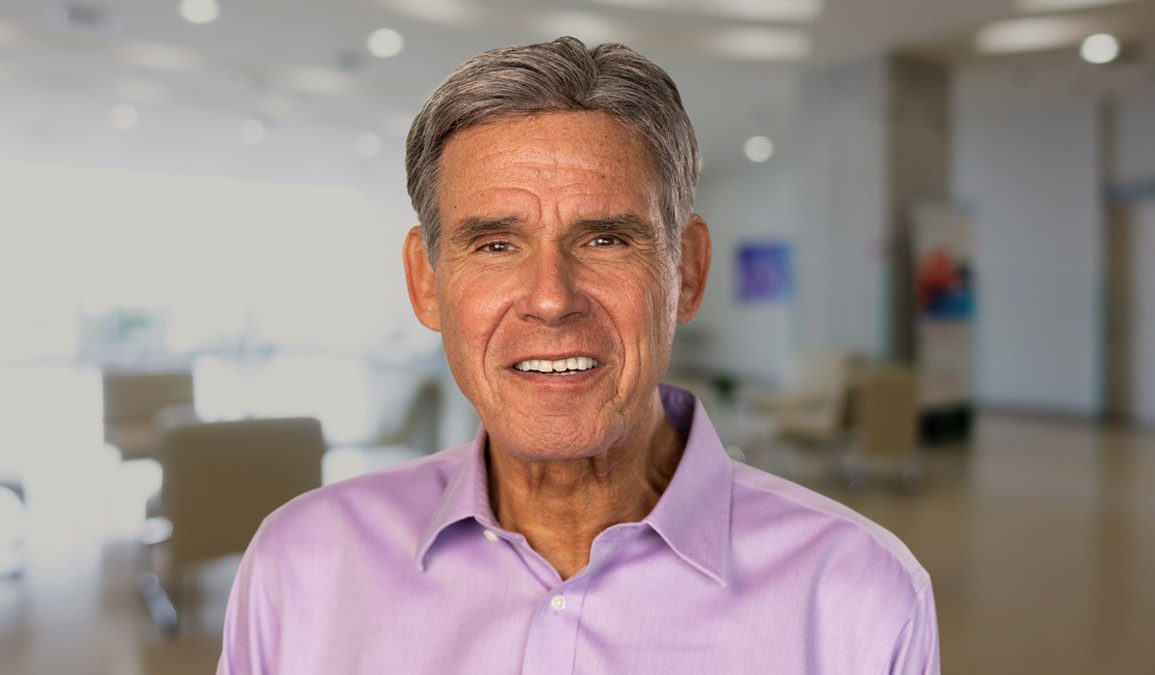
In a culture obsessed with living longer, cardiologist and medical researcher Eric Topol is asking a different question. What if the real goal is not adding years to life, but adding life to years? At a time when biohackers chase extreme interventions and billionaires invest heavily in longevity science, Topol offers a grounded, evidence-based perspective. His focus is on healthspan, not lifespan, and his message challenges both the hype and the false promises of the anti-aging industry.
Topol’s work cuts through the noise with a simple but powerful idea. Living longer is not enough if those extra years are marked by disease and decline. Instead, the priority should be extending the number of years a person remains healthy, active, and free from serious illness.
Eric Topol is a cardiologist and the founder and director of the Scripps Research Translational Institute. He is also one of the most highly cited researchers in medicine and the author of the book Super Agers. His work focuses on how science, technology, and lifestyle can reshape the aging process.
Topol has spent years studying what separates healthy older adults from those who develop chronic disease. His research combines genetics, preventive medicine, and emerging technologies like artificial intelligence to understand how aging can be improved.
His goal is ambitious but clear. He wants to transform what he calls the “illderly” into the “wellderly,” people who reach old age without the burden of major diseases.
Healthspan Versus Lifespan
Topol’s central argument begins with a striking gap. “The average American health span is 64,” he explains. “But lifespan is 79 on average. So you’ve got a big gap of about 15 years where your health span has ended and your lifespan continues.”
That gap represents years often marked by heart disease, cancer, or neurodegenerative conditions. For Topol, this is the real problem to solve. Extending lifespan without extending healthspan simply prolongs suffering and increases the burden on individuals, families, and healthcare systems.
Instead, he argues for a shift in priorities. The goal should be to delay or prevent the onset of disease so that people remain healthy for as much of their lives as possible.
What Is “Super-Aging”
Topol’s concept of “super-aging” comes from his study of people over the age of 80 who have avoided major chronic diseases. These individuals, whom he calls Super Agers, represent a model of what healthy aging could look like.
Initially, researchers assumed these individuals must possess unique genetic advantages. However, Topol’s findings challenged that assumption. “The stunning result was while there were some small differences, otherwise there was not much to be able to say this was a genetic story at all,” he says.
There was no hidden genetic code that guaranteed a long, healthy life. Instead, the differences appeared to come from a combination of lifestyle factors, immune system health, and preventive care.
This discovery reshapes the conversation around aging. It suggests that healthy aging is not predetermined. It is influenced by choices, habits, and increasingly by medical tools that can predict and prevent disease.
The Myths and Grift of Longevity
Topol is sharply critical of the modern anti-aging industry. He sees a growing market filled with bold claims and little evidence.
From cold plunges to peptide therapies to extreme dietary trends, he argues that many popular longevity practices are unsupported by solid science. “Specious claims about unregulated products,” he says, are “just completely out of control.”
He is particularly skeptical of supplements and high-priced longevity treatments. According to Topol, none of these have been proven to extend human life in meaningful ways. The industry, he argues, is moving faster than the evidence.
He also pushes back against the idea that aging can be reversed through a single breakthrough. While research into areas like epigenetic reprogramming and senolytics is promising, he cautions that these approaches are still far from practical use in humans. “The only thing we have that looks great is in mice. We don’t have stuff that works in people,” he explains.
His broader warning is clear. If a so-called expert is selling a product, their credibility should be questioned.
What Actually Works
In contrast to the hype, Topol emphasizes that the most powerful tools for healthy aging are simple and accessible. They are not found in expensive clinics or cutting-edge biohacking routines. They are rooted in everyday habits.
Exercise is at the top of the list. But not just any exercise. Topol highlights the importance of resistance training, along with balance and posture work. Traditional aerobic exercise alone is not enough. Strength training helps preserve muscle mass and reduces the risk of falls, which are a major cause of decline in older adults.
He also stresses the importance of sleep. Quality sleep, not just time spent in bed, plays a critical role in maintaining health. Interestingly, he notes that more sleep is not always better. Around seven hours appears to be optimal, while excessive sleep may be linked to underlying health issues.
Diet is another key factor. Topol recommends reducing ultra-processed foods and focusing on a predominantly plant-based diet. The Mediterranean diet, rich in fruits, vegetables, whole grains, and healthy fats, has strong evidence supporting its benefits. It is associated with lower rates of cardiovascular disease, cancer, and neurodegenerative disorders.
He also cautions against excessive protein intake, particularly from animal sources. High protein consumption can promote inflammation, which is a major driver of aging-related diseases. Instead, he suggests focusing on fiber intake, aiming for about 25 grams per day.
The Role of the Immune System and Inflammation
A recurring theme in Topol’s work is the importance of the immune system. Healthy aging, he argues, is closely tied to immune resilience.
As people age, they experience both increased inflammation and a decline in immune function. These processes, often referred to as inflammaging and immunosenescence, contribute to the development of major diseases.
Lifestyle factors such as diet, exercise, and sleep influence these processes. By reducing inflammation and supporting immune health, these habits can significantly improve healthspan.
Topol also points to emerging evidence that certain vaccines can play a role. For example, he notes that the shingles vaccine may reduce the risk of Alzheimer’s and dementia by 20 to 25 percent by strengthening the immune system.
AI and the Future of Prevention
While much of Topol’s advice is low-tech, he is also a strong advocate for the role of artificial intelligence in medicine. He believes AI will transform healthcare by shifting the focus from treatment to prevention.
“In the years ahead, we will regard AI’s most important contribution as facilitating prevention,” he predicts.
AI can analyze vast amounts of data, from genetic information to imaging scans, to identify disease risks long before symptoms appear. This allows for personalized interventions that can delay or even prevent the onset of illness.
Topol envisions a future where screenings and treatments are tailored to individual risk profiles rather than applied broadly based on age. This approach could reduce unnecessary procedures and improve outcomes.
What People Are Saying and Why It Matters
Topol’s ideas are gaining attention because they offer both realism and optimism. On one hand, he dismantles the myths of quick fixes and miracle cures. On the other, he provides a clear path forward that is grounded in evidence.
His message resonates in a world where aging populations are placing increasing pressure on healthcare systems. By focusing on healthspan, society could reduce the burden of chronic disease and improve quality of life for millions of people.
He is also optimistic about the future. Advances in genetics, artificial intelligence, and personalized medicine are creating new opportunities to prevent disease. Combined with proven lifestyle changes, these tools could significantly narrow the gap between healthspan and lifespan.
A Practical Path to Better Aging
Topol’s advice may lack the allure of cutting-edge biohacking, but it is rooted in what actually works. He encourages people to “be wary of optimization fads” and to focus on evidence-based strategies rather than expert opinion alone.
His approach is straightforward. Invest in habits, not miracles. Prioritize exercise, sleep, diet, and social connection. Support your immune system. Take advantage of preventive care and emerging technologies when appropriate.
Perhaps most importantly, he emphasizes that it is never too late to start. Even changes made in midlife can add years of healthy living.
In the end, Topol’s vision of aging is not about immortality. It is about extending the years that matter most. Aging, he argues, is not something to passively endure. It is something that can be shaped, improved, and experienced with vitality.
HNZ Eidtor: We still believe that supplements are a good idea and can indeed be a key to better living. But Eric is a popular guy with a popular opinion.